My boyfriend Kieran joined the Royal Marines as soon as he left school at the age of 17. Royal Marines training is 32 weeks long and Kieran unfortunately received a massive blow with a severe hip injury during his final exercise before Pass Out. After months of being in the Rehabilitation Centre on Camp known as Hunter Company, Kieran made the hard decision of leaving his life in the Marines before receiving a Medical Discharge, which would have ended his Military career and possibility of rejoining any Military Force.
After a few years back in civilian life, Kieran re-joined the Royal Maines at the age of 22. For as long as I have known Kieran, he has never been happy living a civvy life.
My Creative Manifesto is to explore metal health within men in the UK Military. To understand this subject on a personal level, I will begin to look at how mental disorders in the military first became recognised and will research behaviours and attitudes within military personnel who have struggled with mental health. I will link my findings to Kieran’s behaviour and follow his Military career from start to present and speak about any signs of mental strain he has experienced.
To begin with, I feel it is important to understand when psychological struggles first became apparent within Military personnel.
During WWI, the British Military were faced with a confusing and pressing problem which was affecting frontline troops. Increasing numbers of British Soldiers were displaying strange and unexplainable behaviours and symptoms with no visible or obvious physical injuries, including fatigue, tremors, severe confusion, nightmares and impaired sight and hearing. British Military Doctors were struggling to understand and treat the disorder, named by the Soldiers as “Shell shock”. In an effort to better understand and treat the condition, the British Military turned to psychology to find an answer.
Charles Myers became a consulting psychologist to the British Expeditionary Force to offer opinions on cases of shell shock. In 1915, Myers wrote the first paper on shell-shock and theorised that the symptoms being experienced by soldiers most likely stemmed from internal physical injuries. He believed that repetitive exposure to blasts on the frontline caused brain trauma that resulted in this strange grouping of symptoms. Myers soon found out that his hypothesis didn’t hold up, as there were plenty of veterans who had not been exposed to the concussive blasts of trench warfare who were still experiencing the symptoms of shell shock. In addition, not all veterans who had seen this kind of battle returned with symptoms.
Eventually, Myers concluded that the symptoms being experienced by soldiers were psychological rather than physical casualties, and believed that the symptoms were manifestations of repressed trauma. Myers believed that shell shock could be treated and cured through cognitive reintegration, along with another psychologist, William McDougall. They believed that a shell shocked soldier would experience these symptoms due to an attempt to manage a traumatic experience by repressing memories of traumatic events.
Many young men suffering from shell shock were shot and killed for military crimes including desertion and cowardice. The Military recognised that war could cause men to experience psychological break downs, however a lasting episode was seen as a weakness and a symptom of a lack of character. A stigma of mental illness quickly became widespread in the Armed Forces and many senior officers, such as Senior British Army Officer, Lord Gort, argued that shell-shock ‘must be looked upon as a form of disgrace to the soldier’.
We now know that what these combat veterans were facing was likely what today we call Post Traumatic Stress Disorder. We are now better able to recognise it, and treatments have certainly advanced, but we still don’t have a full understanding of what PTSD is.
At the age of 17, and, after thirty weeks of adapting to the military lifestyle and mindset, Kieran was thrown back into a world he did not want to be in, civilian life (referred to as “Civvy street” by military personnel). From joining the Marines straight after completing his GCSE’s, he was set on joining the forces from the age of 14. His discharge meant a big blow for him, and suddenly all his plans had changed. To find his feet, Kieran had to quickly find housing and a job to keep him afloat. He got a job working in a local bookmakers and lived sofa surfing at friends houses until he found someone looking to illegally sublet in the local area. Once moved in, Kieran kept his job and enrolled in the local college, where I was also attending. I had met Kieran in the smoking area at our college and was instantly fascinated with the stories he had to tell about his life in the military. Due to his discharge, Kieran was lost and extremely unhappy, with no other plans for the future.
During the course of our friendship, I knew that Kieran enjoyed a few pints at the end of a long day, and never thought much of it, until friendship developed into a relationship. I started staying at Kierans sub-let room and began to notice a very high alcohol intake. Kieran on many occasions would wake up in the morning and casually reach for the bottle of Jamesons Irish Whiskey he used to keep by his bedside. I didn’t ask any questions in order to avoid upsetting him, until I noticed a coffee flask in his work backpack which was also filled with whiskey. I asked him about it but received nothing more than a shrug of the shoulders, so I didn’t press on.
Statistics by the UK Government have shown that the rate of alcohol intake is significantly higher in Royal Maines, this is a clear indication to me that Royal Marine Commandos are using alcohol as a coping method for any psychological struggles.
Three months into our relationship, Kieran and I decided to move in together in a small apartment in a nice area of town. During the time we spent living together, I noticed a significant drop in his alcohol intake, but didn’t want to make him aware of it in worry that he would revert back.
We were sat with a few bottles of wine on the sofa one evening after we had both finished a long day of work, and I gained the courage to ask him about his feelings after his discharge. I spoke honestly about the worries I had about his drinking habits and had a long chat that night. Much to my surprise, Kieran told me that he had never realised how much he depended on alcohol until we had moved in together. He explained that living together gave him a purpose, something he hadn’t had since he was in Marine training. To me, this meant that all he really needed was stability and structure, something he hadn’t really had in his childhood, but found in his life as a Royal Marine.
When Kieran turned 22, he sent off an application to re-join the Marines, five years since his discharge at age 17. A year after we had moved in together, Kieran left to give his second chance of fulfilling his goal to become a Royal Marine Commando. He was extremely excited to return to the lifestyle he so desperately loved. As his girlfriend, I was of course upset that I would not see him for weeks or months at a time, however the thought of him doing something he loved and was passionate about gave me peace.
Kieran is currently still in training, after being back trooped a few times and spending time in sick bay. He is doing incredibly well in his training despite a few set backs being thrown his way, and, of course, I am extremely proud of him.
Most recent Statistics from 2017/18 show that Royal Marines have significantly lower rates of ill mental health than other Military Services. This surprised me as Royal Marines see more active service and more intense and longer training than other Services. Kieran has told me that the Royal Marines have launched a new initiative called Project Regain which is designed for Royal Marine Commandos to seek necessary help. This Project may have been so successful that Marines are relying on this rather than seek for support elsewhere.
Since re-joining, Kieran has never been better in terms of physical form and general mental health while on camp, however I have noticed changes in his behaviours when back home on civvy street.
I feel it is important to keep in mind that due to leaving the Royal Marines previously, Kieran has done over 64 weeks of intense, physical and mentally demanding training instead of 32 like most recruits. This length of time in training is bound to have some physiological impact.
The most well known trait of military personnel is “The Switch”, which refers to the ability of having controlled anger and aggression, as well as the frequent change of mindset from Civilian to Royal Marine Commando and vice versa. Kieran is easily able to switch from Civilian to RMC but struggles the other way around when he is on leave. He has adapted to the Military lifestyle like a fish to water, however struggles to change his mindset when he is in Civvy street. When back in civilian life, Kieran displays a low tolerance for things not being done quickly, efficiently and/or properly, which causes him to speak his mind and appear aggressive and rude to others. This can sometimes be quite upsetting to witness, as fights and altercations usually break out, and a big misjudgement of Kieran’s character to others. I of course know that this is how Kieran has been taught to deal with things so I am able to take this with a pinch of salt. Others however, are very quick to take offence or get angry to Kierans blunt approach.
These forms of communication, and overall lifestyle work very well in the Military, but in civilian life, we take offence to blunt approaches and shouting commands to others is not an effective way of communication. As I have explained, Kieran’s low tolerance and blunt way of speaking causes many issues when he is off camp. Regularly fights break out in pubs between the recruits and civilian lads when the troop go into town on their Saturday nights off.
Around six or seven months ago, I noticed Kieran had started speaking in his sleep, which was completely new behaviour. When I brought it up the next morning, Kieran had no idea he had stated doing this. A few months later, Kieran spoke to me about experiencing nightmares, which causes him to shout, kick and punch things in his sleep. He explained to me that when this happens he doesn’t wake up, but his troop mates wake him and ask if he is okay. The first time I experienced an episode like this terrified me, and after witnessing these episodes for a month or so they began to happen when he was awake. When awake, Kieran would start shouting and pacing the room but his words would make little to no sense. When this happened, I had no idea what was going on and was very upset that this was happening to him. When Kieran has an episode, he is unable to hear anyone around him so it is very difficult to help him. Over time, I have learnt that when experiencing an episode like this, Kieran only responds when I gently hug him and speak quietly. After he has calmed down, he has very little recollection of what just happened. Me and Kieran do not know what has caused this behaviour and Kieran is very reluctant to speak about it.
Knowing Kieran, I don’t think he will seek help, no matter how hard I push, which is what has inspired me to look into this subject of mens mental health in the Military for my Manifesto. Kieran’s troop mate locked Kieran in a telephone box as a joke while they were off camp. Kieran had an episode as explained above, and punched his way out through the glass, severely cutting his arm. He now has deeps scars on his arm which are around 6-8cm long.
Kieran and our mutual friend Ben were both in troop with fellow recruit Ethan Jones. Kieran and Ben were in the Rehabilitation Centre on Camp known as Hunter Company with minor injuries from a training exercise are were later put into a different troop due the the training they missed while their injuries were treated. Ethan and the rest of the troop were practising an assault from a landing craft on Tregantle beach in Cornwall, when he went under the water. According to news reports, Ethan was immediately taken to hospital where he died the following day.
When Ethan had died, the story of his death travelled around camp and Kieran and Ben were devastated to have lost such a good mate. According to Ethans troop mates who were on the nighttime exercise with him, Ethan had jumped out of the craft as instructed to do, with approximately 55kg of additional weight including his burgeon, rifle and ammunition when he went underwater and couldn’t be located. At around 1am in the morning in such a remote area, Ethan couldn’t be seen for several minutes. A troop mate noticed Ethan in the water and immediately jumped into the water and pulled him to shore where he attempted CPR. Ethan was then taken to hospital and was in critical condition for less 24 hours before he passed.
Ben has described Ethan as “One of the quieter lads in troop, but not in a recluse way, more that he just got shit done and absorbed it all.” Ben has also told me that Ethans death has effected the entire troop. Kieran told me that Ethan was mates with everyone and would always help people out on training exercises. Both Kieran and Ben were on a survival training exercise so were unable to attend their previous troop Pass Out Parade which also included a memorial service for Ethan.
From personal insights and extensive research, it has become apparent that mental health among male Military personnel is a pressing issue, and has been since the First World War. Although my research has shown that Royal Marines have lower rates of ill mental health than other services, I believe through personal insights that it is likely mental health among Royal Marines is either the same or higher, because less personnel are seeking help. I feel that through advertising, we can help Royal Marines seek necessary help and eradicate the stigma of mental health in military personnel. Project Regain has clearly been a huge success with Royal Marines and I will further analyse their methods and apply them to my own forms of advertising through the means of posters and magazine.
My boyfriend Kieran joined the Royal Marines as soon as he left school at the age of 17. Royal Marines training is 32 weeks long and Kieran unfortunately received a massive blow with a severe hip injury during his final exercise before Pass Out. After months of being in the Rehabilitation Centre on Camp known as Hunter Company, Kieran made the hard decision of leaving his life in the Marines before receiving a Medical Discharge, which would have ended his Military career and possibility of rejoining any Military Force.
After a few years back in civilian life, Kieran re-joined the Royal Maines at the age of 22. For as long as I have known Kieran, he has never been happy living a civvy life.
Struggles and difficulties from injury:
At the age of 17, and, after thirty weeks of adapting to the military lifestyle and mindset, Kieran was thrown back into a world he did not want to be in, civilian life (referred to as “Civvy street” by military personnel). From joining the Marines straight after completing his GCSE’s, he was set on joining the forces from the age of 14. His discharge meant a big blow for him, and suddenly all his plans had changed. To find his feet, Kieran had to quickly find housing and a job to keep him afloat. He got a job working in a local bookmakers and lived sofa surfing at friends houses until he found someone looking to illegally sublet in the local area. Once moved in, Kieran kept his job and enrolled in the local college, where I was also attending. I had met Kieran in the smoking area at our college and was instantly fascinated with the stories he had to tell about his life in the military. Due to his discharge, Kieran was lost and extremely unhappy, with no other plans for the future.
During the course of our friendship, I knew that Kieran enjoyed a few pints at the end of a long day, and never thought much of it, until friendship developed into a relationship. I started staying at Kierans sub-let room and began to notice a very high alcohol intake. Kieran on many occasions would wake up in the morning and casually reach for the bottle of Jamesons Irish Whiskey he used to keep by his bedside. I didn’t ask any questions in order to avoid upsetting him, until I noticed a coffee flask in his work backpack which was also filled with whiskey. I asked him about it but received nothing more than a shrug of the shoulders, so I didn’t press on.
Three months into our relationship, me and Kieran decided to move in together in a small apartment in a nice area of town. During the time we spent living together, I noticed a significant drop in his alcohol intake, but didn’t want to make him aware of it in worry that he would revert back.
We were sat with a few bottles of wine on the sofa one evening after we had both finished a long day of work, and I gained the courage to ask him about his feelings after his discharge. I spoke honestly about the worries I had about his drinking habits and had a long chat that night. Much to my surprise, Kieran told me that he had never realised how much he depended on alcohol until we had moved in together. He explained that living together gave him a purpose, something he hadn’t had since he was in Marine training. To me, this meant that all he really needed was stability and structure, something he hadn’t really had in his childhood, but found in his life as a Royal Marine.
When Kieran turned 22, he sent off an application to re-join the Marines, five years since his discharge at age 17. A year after we had moved in together, Kieran left to give his second chance of fulfilling his goal to become a Royal Marine Commando. He was extremely excited to return to the lifestyle he so desperately loved. As his girlfriend, I was of course upset that I would not see him for weeks or months at a time, however the thought of him doing something he loved and was passionate about gave me peace.
Kieran is currently still in training, after being back trooped a few times and spending time in sick bay. He is doing incredibly well in his training despite a few set backs being thrown his way, and, of course, I am extremely proud of him.
Overall struggles during the transition from Military to civilian life:
High alcohol intake
General lack of enthusiasm in activities
Lack of motivation and interest in things
Struggles since re-joining:
Since re-joining, in some ways, Kieran has never been better in terms of physical form and general mental health while on camp, however I have noticed changes in his behaviours when back home and on civvy street.
I feel it is important to keep in mind that due to leaving the Royal Marines previously, Kieran has done over 64 weeks of training instead of 32.
The most well known trait of military personnel is “The Switch”, which refers to the ability of having controlled anger and aggression, as well as the frequent change of mindset from Civilian to Royal Marine Commando and vice versa. Kieran is easily able to switch from Civilian to RMC but struggles the other way around when he is on leave. He has adapted to the Military lifestyle like a fish to water, however struggles to change his mindset when he is in Civvy street. When back in civilian life, Kieran displays a low tolerance for things not being done quickly, efficiently and/or properly, which causes him to speak his mind and appear aggressive and rude to others. This can sometimes be quite upsetting to witness, as fights and altercations usually break out, and a big misjudgement of Kieran’s character to others. I of course know that this is how Kieran has been taught to deal with things so I am able to take this with a pinch of salt. Others however, are very quick to take offence or get angry to Kierans blunt approach.
These forms of communication, and overall lifestyle work very well in the Military, but in civilian life, we take offence to blunt approaches and shouting commands to others is not an effective way of communication. As I have explained, Kieran’s low tolerance and blunt way of speaking causes many issues when he is off camp. Regularly fights break out in pubs between the recruits and civilian lads when the troop go into town on their Saturday nights off.
Around six or seven months ago, I noticed Kieran had started speaking in his sleep, which was completely new behaviour. When I brought it up the next morning, Kieran had no idea he had stated doing this. A few months later, Kieran spoke to me about experiencing nightmares, which causes him to shout, kick and punch things in his sleep. He explained to me that when this happens he doesn’t wake up, but his troop mates wake him and ask if he is okay. The first time I experienced an episode like this terrified me, and after witnessing these episodes for a month or so they began to happen when he was awake. When awake, Kieran would start shouting and pacing the room but his words would make little to no sense. When this happened, I had no idea what was going on and was very upset that this was happening to him. When Kieran has an episode, he is unable to hear anyone around him so it is very difficult to help him. Over time, I have learnt that when experiencing an episode like this, Kieran only responds when I gently hug him and speak quietly. After he has calmed down, he has very little recollection of what just happened. Me and Kieran do not know what has caused this behaviour and Kieran is very reluctant to speak about it. Knowing Kieran, I don’t think he will seek help, no matter how hard I push. This is what has inspired me to look into this subject of mens mental health in the Military for my Manifesto.
Behavioural changes since re-joining:
Low tolerance and patience
Regular pub fights/altercations
PTSD like symptoms such as nightmares, impaired hearing and sleep difficulties
Ethan Jones
Ethan Jones
Kieran and our mutual friend Ben were both in troop with fellow recruit Ethan Jones. Kieran and Ben were in the Rehabilitation Centre on Camp known as Hunter Company with minor injuries from a training exercise are were later put into a different troop due the the training they missed while their injuries were treated. Ethan and the rest of the troop were practising an assault from a landing craft on Tregantle beach in Cornwall, when he went under the water. According to news reports, Ethan was immediately taken to hospital where he died the following day.
When Ethan had died, the story of his death travelled around camp and Kieran and Ben were devastated to have lost such a good mate. According to Ethans troop mates who were on the nighttime exercise with him, Ethan had jumped out of the craft as instructed to do, with approximately 55kg of additional weight including his burgeon, rifle and ammunition when he went underwater and couldn’t be located. At around 1am in the morning in such a remote area, Ethan couldn’t be seen for several minutes. A troop mate noticed Ethan in the water and immediately jumped into the water and pulled his to shore where he attempted CPR. Ethan was then taken to hospital and was in critical condition for less 24 hours before he passed.
Be has described Ethan as “One of the quieter lads in troop, but not in a recluse way, more that he just got shit done and absorbed it all.” Ben has also told me that Ethans death has effected the entire troop. Kieran told me that Ethan was mates with everyone and would always help people out on training exercises. Both Kieran and Ben were on a survival training exercise so were unable to attend their previous Troops Pass Out Parade which also included a memorial service for Ethan.
My boyfriend Kieran joined the Royal Marines as soon as he left school at the age of 17. Royal Marines training is 32 weeks long and Kieran unfortunately received a massive blow with a severe hip injury during his final exercise before Pass Out. After months of being in the Rehabilitation Centre on Camp known as Hunter Company, Kieran made the hard decision of leaving his life in the Marines before receiving a Medical Discharge, which would have ended his Military career and possibility of rejoining any Military Force.
After a few years back in civilian life, Kieran re-joined the Royal Maines at the age of 22. For as long as I have known Kieran, he has never been happy living a civilian life.
My Creative Manifesto is to explore metal health within men in the UK Military. To understand this subject on a personal level, I will begin to look at Kieran’s Military career from start to present and speak about any signs of mental strain he has experienced. Along with my findings I will also do concrete research and present any evidence that will help me understand Kieran’s mental wellbeing, including behaviours, attitudes and personality traits common in Military Personnel who have struggled with their mental health.
For this project, we have ben asked to create a cultural manifesto. The components of this project include the following:
Word Document with text chosen by student
At least x1 Blog Post with 1500 words, including media (images)
10 Minute Video with documentary style explanation of the significance of cultural manifestos
Research Portfolio
Instagram Photos
Tweets
Vision Board
Sketches
Conceptual Experiments with Artefacts
In addition to these components, we have been told to create our manifesto based on a subject we are passionate about. For me, this meant making it personal. I always create my best work when it is based on something I really care about, so, for my cultural manifesto I will be focusing on mens mental health in the UK Military. I have chosen this subject as my boyfriend is currently a Royal Marines Commando. Seeing the impact of training and deployment first hand has inspired me to research and create a manifesto of the mental impact the Military has on serving personnel.
To begin with, I have created two mood boards to kick start my research and ideas. The first mood board consists of generic images of the Royal Marines, depicting their everyday life, while the mood board below are personal photographs either taken by me or sent to me from my boyfriend while training or on deployment. I felt that two separate mood boards would give me a better idea of where to begin and maybe highlight any differences of what the public see, and the reality. My own images are also here for me to reference back to and keep in mind to keep referring to personal experiences. For security reasons, I have had to blur Kieran’s face from photos.
Checklist for Research:
What historical narratives inform your choices to create?
What human themes are relevant?
What do your personal experiences bring, that makes a difference and is valuable?
What is the point of creating?
Why are ‘manifestos’ worth doing?
Who are the movers, shakers, thinkers that inform the way we think, see, do and behave?
Why should you care?
Why does creativity and the cultural matter?
Who are other people who have done creative work and are important for cultural heritage?
Who are you making things for? Who should your audience be?
Whose point of view is worthy?
Who should pay attention to what you want to do with your life?
Where does culture happen?
Where is culture not happening?
How does cultural change happen?
How are you applying yourself?
How do other people do it?
Response to research checklist:
The historical narratives that will inform my choices to create in this project are The First World War, Mens mental health & stigma, which I will be specifically looking at Cowardice in the First World War and Shell Shock. I will be paying close attention and research to the Military Lifestyle, both historical and present, including social stigma around mens mental health, particularly in the Royal Marines, which is an example of a very tough, masculine environment.
By bringing my personal experiences into this assignment, I aim to make people more aware of the effects and struggles PTSD and other mental health issues have on Military personnel and the people close to them. My personal experiences make this topic a reality, not only to me, but hopefully to others who read it; it’s not just a story. The point of creating my cultural manifesto is to try to make people aware of the issue, which I feel is important, in the hopes to inflict change and awareness.
My interpretation of a Manifesto is a written document and/or discussion to help shape culture and behaviours within a group. As previously discussed, my manifesto is to make people aware of the psychological difficulties men face in the Military to help eliminate stigma and to initiate a support system to give Military Personnel the encouragement to seek help.
The movers, shakers and thinkers that I will be looking at to help inform the way people think, see and behave towards my manifesto are as follows:
Charles Samuel Myers, ‘A Contribution to the Study of Shell Shock’, The Lancet, first military psychiatrist to help with PTSD
Veterans who are available most days on camp to speak to struggling personal – offer to have a chat with a cup of tea.
Royal Marines Charity – offer support
Project Regain – offer help and support
I feel that people should care about the subject of my manifesto as UK Military Personnel are responsible for keeping us and our country safe. These young men risk their lives as well as their physical and mental wellbeing to help provide a secure and safe community for us. They deserve our support and respect. Due to the intense and difficult conditions, our Military Personnel need to be on their top form 24/7.
In terms of creative work, I will look at the official Royal Marines Adverts, as I feel they are a string example of creative work which successfully represent the Royal Marine culture. (Links below):
The creative aspect of this project will be primarily targeted to Royal Marine Commandos who are experiencing psychological difficulties. Aimed at young personnel who are still seeing active service or are in the process completing their training. This is because young men are less likely to ask for help as they feel that they are not entitled to it due to not yet experiencing active service or knowing people who have “worse” symptoms or “a better reason” to be suffering than them. Due to this, the point of view from young Royal Marine Commandos on my project is very important as they are the ones who will receive the help and support.
Speaking in a cultural sense, Militarisation and adopting the Military Lifestyle, is a culture in itself. On camp, militarisation starts from day one and is enforced 24/7. Many people from around the world travel to Lympstone Commando to be part of the “Elite”, however their personal cultural beliefs and behaviours are left behind and they must adopt the Royal Marine lifestyle, discipline and attitude. Militarisation – The process of turning a civilian into a Royal Marine Commando (being an RMC is its own culture). Cultural change happens when Social and Cultural norms are challenged and ideas are spoken of and/or enforced. In the Royal Marines cultural changes happen when Officers and Commanders are unhappy and/or displeased with something and believe changes need to be put in place to achieve better outcomes in terms of performance, time management, discipline etc.
I will be applying myself to this project by including personal experiences and stories, making this project personal and meaningful. I will also be including first hand information and stories with Kieran and Ben, who will all play a big roll in this project. I will also speak about Ethan Jones, a close troop mate of Kieran and ben who has sadly passed away a month ago on a survival exercise.
Research Plan
To organise myself and my research, I have written a list to follow of essential research to keep on track.
How did it begin? Look into Shell shock in WW1.
What are the most common mental health issues experienced by Royal Marine Commandos in present time/ within the last few years?
Statistics for above points. These can be found on the gov.uk website and through the Royal Navy website.
What help is currently available for Real Marine Commandos suffering with psychological issues? For this I will speak to Kieran directly and research using the Royal Navy and Royal Marine Charity websites.
Royal Maines Commando School Documentary
Kieran
First hand case studies – Ethan Jones’ death and how it has effected Kieran, Ben (tribute tattoo) and other troop mates. (Reeder who tried to resuscitate him)
The effects on Ben who has recently been medically discharged (Tried to follow in his fathers foot steps and make him proud)
Shell Shock and Post Traumatic Stress Disorder
Post Traumatic Stress Disorder has been around for hundreds of years, but has been known by different names. In WWI PTSD was known as “shell shock’, during WWII, as “War Neurosis”, and during the Vietnam War, “Combat Stress Reaction”. It was in the 1980s when the term Post Traumatic Stress Disorder we know today was introduced by the American Psychiatric Association. So, how did it all start?
During WWI, the British Military were faced with a confusing and pressing problem which was affecting frontline troops. Increasing numbers of British Soldiers were displaying strange and unexplainable behaviours and symptoms with no visible or obvious physical injuries, including fatigue, tremors, severe confusion, nightmares and impaired sight and hearing. British Military Doctors were struggling to understand and treat the disorder, named by the Soldiers as “Shell shock”. In an effort to better understand and treat the condition, the British Military turned to psychology to find an answer.
Charles Myers became a consulting psychologist to the British Expeditionary Force to offer opinions on cases of shell shock. In 1915, Myers wrote the first paper on shell-shock and theorised that the symptoms being experienced by soldiers most likely stemmed from internal physical injuries. He believed that repetitive exposure to blasts on the frontline caused brain trauma that resulted in this strange grouping of symptoms. Myers soon found out that his hypothesis didn’t hold up, as there were plenty of veterans who had not been exposed to the concussive blasts of trench warfare who were still experiencing the symptoms of shell shock. In addition, not all veterans who had seen this kind of battle returned with symptoms.
Eventually, Myers concluded that the symptoms being experienced by soldiers were psychological rather than physical casualties, and believed that the symptoms were manifestations of repressed trauma. Myers believed that shell shock could be treated and cured through cognitive reintegration, along with another psychologist, William McDougall. They believed that a shell shocked soldier would experience these symptoms due to an attempt to manage a traumatic experience by repressing memories of traumatic events.
Many young men suffering from shell shock were shot and killed for military crimes including desertion and cowardice. The Military recognised that war could cause men to experience psychological break downs, however a lasting episode was seen as a weakness and a symptom of a lack of character. A stigma of mental illness quickly became widespread in the Armed Forces and many senior officers, such as Senior British Army Officer, Lord Gort, argued that shell-shock ‘must be looked upon as a form of disgrace to the soldier’.
We now know that what these combat veterans were facing was likely what today we call Post Traumatic Stress Disorder. We are now better able to recognise it, and treatments have certainly advanced, but we still don’t have a full understanding of what PTSD is.
Currently, around 4 – 7% of frontline troops will develop post-traumatic stress disorder (PTSD) and around 20% of service personnel are suffering with a mental health disorder at any one time.
Current Statistics on Mental Health in UK Armed Forces
From researching and reading through many different sites, it appears that Alcoholism, depression and PTSD are the most common forms of mental illnesses within the British Armed Forces. On the UK Government website, I have found some useful statistics to gain a better understanding of mental health within the British Armed Forces.
Firstly, I looked at how many service personnel were diagnosed with a mental health issue. The graph above shows that 3.1% of UK Armed Forces personnel were assessed with a mental disorder in 2017/18. The number of personnel diagnosed with a mental health disorder is much higher than those without, and, in addition the government say that 4 in 5 of UK Armed Forces personnel seen at the MOD Specialist Mental Health in 2017/18 were assessed with a mental disorder. This is an extremely high number of personnel who are seen and diagnosed, which for for me, raises the question if personnel wait until their mental health has gotten almost unmanageable before seeking any help?
The second graph I looked at, showed the statistics of personnel assessed with a mental disorder by service. Interestingly, Royal Marines have significantly lower rates of ill mental health than other Military Services. This surprised me as Royal Marines see more active service and more intense and longer training than other Services. This information led me to investigate on why this may be. My boyfriend told me that the Royal Marines have launched a new initiative called Project Regain which is designed for Royal Marine Commandos to seek necessary help. This Project may have been so successful that Marines are relying on this rather than seek for support elsewhere. In addition to this point, I have discovered on further reading that the rates of alcohol intake are significantly higher in Royal Maines (Figure below). This is a clear indication to me that Royal Marine Commandos are using alcohol as a coping method for any psychological struggles.
From these findings, I have decided to further into Project Regain to see why it has ben so effective.
Project Regain
Project Regain aims to improve the mental health awareness of serving marines, allowing all ranks to receive a basic education about worrying symptoms and behaviours and to seek help. Regain aims to reduce the stigma and barriers to treatment and enable ranks to present themselves without fear of being labelled by peers or command.
Project regain had noticed that one of the greatest obstacles to effective treatment is the individual failing to recognise that they have a problem that can be treated to avoid negative outcomes, without detriment to their career. Regain aims to help sufferers identify a problem. Knowing how to seek help is also an obstacle which Regain aims to tackle.
Regain recommend that any recruits who recognise these behavioural changes in themselves or others, should seek help;
Isolation and withdrawal (just sitting in your grot or replacing social activities with solitary activities)
Feeling distant and cut of from friends and loved ones
Constant relationship problems
Being excessively aggressive and irritable
Drinking excessively
Neglecting work or a drop in professional standards
Excessive phys
When these symptoms become a consistent presence:
Low mood and mood swings
Irritability
Sleep problems
Poor concentration
Anxiety
Nightmares or flashbacks about traumatic events
Constantly feeling on edge or in danger
Easily startled by loud noises
In addition to this, Project Regain also have self tests available on their website:
The Royal Navy website has a lot of clear and straight forward information available. The structure of the layout is very clear to navigate and is kept minimal. I think the self tests are a brilliant tool to get recruits on the right path of seeking help, as there is no record, they can do it themselves, and get a clear idea of what to do next. The overall page for Project Regain appeals to Royal Marines in particular due to the structured layout, which is something RMCs have on a daily basis (for example the “step by step process of seeking help”). They have managed to make something which is quite daunting into something familiar and straight forward and have tailored the project specifically to serving Royal Marine Commandos.
Royal Marines Commando School Documentary
Notes:
As my boyfriend Kieran is in the Royal Marines, I have already done a lot of research in my own time to understand what he does. As well as doing my own research, I also have a lot of knowledge based on my boyfriends stories and information he has given me. Although I believe that this is the best way to understand the Military lifestyle, I feel that it is also important to do some reattach online from websites and articles.
Firstly, I decided to watch Royal Marines Commando School, which is a documentary following the 180 Troop through their first phases of training. During my boyfriend’s training, I watched this documentary to help me understand what he was doing on a weekly basic as communication between us was very limited. I have decided to re-watch this series to refresh my memory on the intense first stages of training these young men endure. My written notes are shown below. Throughout this project I will keep referencing back to these notes.
The Royal Marines Commando School Documentary follows a new set of recruits on their journey towards pass out. This documentary is made from very raw footage, showing the ups and downs of recruits during their 32 week training. When Kieran had first rejoined, I followed this documentary in my free time to understand the training process he was going through, and to gain an inside of what life on camp is like for a recruit. For this this project, I have decided to rewatch this documentary series to try and ind possible case studies to support Kieran’s behaviours and personality.
Militarisation
Watching the Royal Marines Commando School documentary gave me the insight of the process of militarisation, turning a civilian into a Royal Marines Commando. Every two weeks, a new group of 60 recruits arrive at Lympstone Commando to embark on the worlds toughest Military training. A third won’t make it, but the ones who do will become Royal Marine Commandos.
The Militarisation process begins from day one, as new recruits are taught the very basics of housekeeping, Etiquette and personal hygiene. All aspects of privacy is taken away when the recruits are told they must sleep naked and shower together in shared facilities. This already begins to take way embarrassment and begin a bond between the recruits and begins to form the Royal Marines Brotherhood.
Swearing, insults, shouting and threats are commonly received by recruits from the Training Team. It is seen s character building and used as a tool to get the job done. Communication between the training team and recruits are very straight forward and basic. Group and personal punishments are a common form of discipline.
The most well known aspect of Militarisation is “The Switch”, controlled anger and aggression, as well as the frequent change of mindset from Civilian to Royal Marine Commando and vice versa. Kieran is easily able to switch from Civilian to RMC but struggles the other way around when he is on leave. He has adapted to the Military lifestyle like a fish to water, however struggles to change his mindset when he is in Civvy street. When back in civilian life, Kieran displays a low tolerance for things not being done quickly, efficiently and/or properly, which causes him to speak his mind and appear aggressive and rude to others. This can sometimes be quite upsetting to witness, as fights and altercations usually break out, and a big misjudgement of Kieran’s character to others. I of course know that this is how Kieran has been taught to deal with things so I am able to take this with a pinch of salt. Others however, are very quick to take offence or get angry to Kierans blunt approach. These forms of communication, and overall lifestyle work very well in the Military, so I believe Kieran is reluctant to change his ways in civilian life, as he knows these processes get the job done quickly and effectively.
For this brief, we have been asked to create an Instagram campaign to promote the CCI course to potential students.
As I am unfamiliar with the software involved in this project, I have made myself a weekly plan to help me stay on track and manage my time efficiently.
Week 1 – Understanding and deconstructing the brief. Research and gathering possible references in terms of books and the theory aspect of the brief.
Week 2 – After week one, I will have understood what the brief is asking and will have a clear image of what is being asked. Using my resources collected, I will read through information and begin on the research and theoretical aspects. I will begin written work of my own to keep referencing back to and will begin initial ideas.
Week 3 – Refining initial ideas, further research if needed and begin to create physical forms and illustrations of ideas. Begin researching Figurative mark, typeface and strap-line. Written work on research will be done on research and ideas.
Week 4 – Review of ideas so far and making any adjustments and changes where necessary. Create mood board for each story as well as story boards and scripts. Begin animation process by watching tutorials as I am unfamiliar with the software involved and apply to own work. Written work will be done on research, ideas and development. Screen test will be done frequently to make sure all is going well and according to plan.
Week 5 – Refine aspects of ideas and fix anything that hasn’t gone to plan. Animations will be finished ready to begin post production such as audio and further refining next week.
Week 6 – Further refinement and written work. Audio will be recorded and applied to videos where necessary.
Week 7 – Videos should be complete at this stage and any small tweaks will be done. Written work will be finished off and referencing will be done as well as a written Rationale, overview and slideshow to be presented to peers, tutors and client.
To begin with, I need to know who the campaign is aimed towards. A target audience is a group of people who share similar needs or characteristics that the CCI course hopes to serve. The target audience will change how I will present the campaign and I will get a better feel of the course’s values. Identifying a target audience will also help me to develop effective marketing strategies.
Audience
The campaign’s will be aimed towards National and International students interested in Art and Design, mainly aged between 17 and 24. Most of these students like drawing and designing and have had some experience in these fields, but do not know all the possibilities of the creative industries. They are interested in making a living out of their passion for creativity and want to develop a creative career that is financially sustainable and industry focused. The audience has searched for information about different Universities and Art Schools in London and have perhaps been to open days to visit the facilities and talk to the course leaders. From this, they have short listed their favourite Universities and will apply soon to request an interview and be accepted by their favourite option.
Client
BA (Hons) Creative and Cultural Industries is formed by four pathways:
BA Art Direction
BA Design Marketing
BA Curation, Exhibition and Events
BA Fashion Promotion and Communications
The Creative and Cultural Industries Department at Kingston School of Art has three undergraduate BAs currently running – Art Direction, Design Marketing and Curation, Exhibition and Events, with a new BA launching in 2020 – Fashion Promotion and Communication.
The students work across visual communication, design, advertising, experiential, strategy, copywriting, content creation and explore emerging technologies. Our courses offer sector-facing and industry- focused creative education that challenges convention.
Semiotics
Semiotics is the study of signs and symbols. It explores how words and other signs make meaning. In semiotics, a sign is anything that hold meaning for something. In a semiotic sense, signs take the form of words, images, sounds, gestures and objects. As an example, the semiotics of England are telephone boxes, black cabs, football, tea fish and chips and lions.
As a starting point, I feel that it is important for me to identify the semiotics of the CCI course, so I have created a mood board to help me with initial ideas.
In the mood board above, I have identified the semiotics of the Creative and Cultural Industries. I have focused on what the course offers, such as a range of different creative skills, from digital to fine art. While reading the brief, I kept coming across the word “culture/cultural”. I think that these words harvest a lot of meaning, as not only does the courses students themselves come from a mixture of different races and cultures, but the course also explores different artistic cultural movements. I wanted to include these things in the mood board as I feel that they are the main and important aspects of the course itself.
Branding
Now that I have identified the target audience, I have broken down the core aspects of the CCI course that I will focus on to help me create the campaign. These core aspects are as follows:
Brand values
Tone of voice
Visual identity and world
Attitude
Target
Brand values
Brand values are a set of principles that shape every aspect of the CCI course. They are there to dictate the courses message, look and personality. The brief explains that “Our aim is to provide the stimuli, culture and resources to enable our students to become distinctive creative industry practitioners who will change, and not simply join, the creative industries”. From this, I have understood that the courses values are as follows:
Cultural
Future focused (In terms of employment and the future of creative industries)
Creative
Fresh ideas and challenging the norms of the creative industries
Tone of Voice
The tone of voice is the way the course presents its values. The brief explains that the tone of voice should be brave, creative, bold, risky, experimental, future focused, surreal, fresh, disruptive, fun, curious, light-hearted, memorable, iconic.
Visual Identity
Visual identity is the visual aspect of branding and trying to evoke certain feelings in the consumer through visuals. The Visual Identity of the CCI course should be similar to the tone of voice, creative, bold, risky, experimental, future focused, surreal, fresh, disruptive, fun, curious, light-hearted, memorable, iconic. I will try to connect the tone of voice with the visual identity of the course.
Attitude
The attitude of CCI is similar to the tone of voice. The course is about pushing ideas and the norms of the creative industries. We take risks and experiment with bold ideas that may or may not work.
Target
The aim of the campaign is to get people to visit the CCI’s website and send an application.
Logo Design
Now that I have identified they key aspects of the Creative and Cultural Industries, I can now begin to generate several ideas for a logo and typeface.
Shown above are my first few ideas. I wanted my first ideas to be quite simplistic in order to help me envision further development. I focused on using a hand as the symbol to represent how hands on the course is, and in creative terms, we use our hands a lot to create and design. I feel that these ideas are a good starting point however are quite dull and do not capture or communicate the values or characteristics of the course. I would also like to use more colour in my next design ideas to make the logo stand out more and grab the viewers attention. As for the typeface, I have chosen a chalk-like font as I feel it has a laidback and creative look to it, which I think I will stick with for my next ideas.
From my first ideas, I decided to think more about shape and revisited our previous “Most Wanted” brief where I looked at the psychology and connotations of different shapes in logo and symbol design. By doing this, I refreshed my knowledge on the subject of shape psychology and have decided that I would like to use a circular shape in my next logo ideas to represent a sense of teamwork and community in the CCI. As explained previously, I still like the initial idea of using hands to represent the creative and making aspect of the course. I am quite happy wit these designs, and will now begin to look at using colour in the next development stages.
For my final design, I added colour to the logo. The use of colour makes the logo stand out more and get the viewers attention. I used yellow to signify creativity, imagination and fun. The pinky/red tones signify excitement, energy and passion and the blue signifies knowledge. I have used these colours to represent the course values and think I have achieved this aim. I am happy with the overall look of my logo and feel that I have done well considering the time-frame given with my limited digital skills. Given more time on this, I would have liked to perhaps fade the outer edges of the colour burst to make it less harsh and maybe frame the design in a thin black boxed outline. As for the typeface, I would have liked to use something a little bolder as I feel the lettering chosen does not stand out very much against the burst of different colours.
Strap-Line
Now that I have my logo, I am going to look at a strap-line. The strap-line has to sum up the CCI brand values and its personality. It should be simple and not over descriptive. A strap-line will be an instant memory hook for potential students and should differentiate the CCI course from other competitors.
As a starting point, I have looked at several brand strap-lines. From my findings, I have noticed that the best strap-lines are short and punchy:
Nike “Just Do It”
This strap-line is instantly recognisable to many people, not only to sports fans as you’d expect. It is short and powerful and has a sense of energy within the line. Being a sports brand, “Just Do It” also appeals to the less athletic, perhaps people who keep contemplating starting a new sport or go the the gym. It’s a push. The use of the word “Just” is almost an argument. Nike is saying don’t question it or think twice, Just Do It! It is powerful and motivational.
Heinz “Beanz Meanz Heinz”
This strap-line almost the opposite of Nike. The replacement of the S with a Z at the end of the words is playful and simple rather than powerful. It creates a flow throughout the line to match with Heinz and, although it is short and simple, it is memorable and fun.
Apple “Think Different”
While looking at several strap-lines, Apple has to be my favourite one. “Think Different” is a bold and aspirational phrase which appeals to everyone who wants to break social and creative norms. It is short and memorable, while also being able to hold a lot of meaning. This strap-line has the most in common with the CCI course, as it is empowering, creative and bold. Looking at this has given me several ideas and has pushed me in the right direction.
My Ideas
By looking at different examples, I have identified the main characteristics my strap-line will need to be successful. It will need to be short and memorable. A short strap-line is not only easier for people to remember but with the right words, can be very powerful. I have noticed that with strap-lines, less is usually more.
To begin with, I went through and re-read the brand values and visual identity of the Creative and Cultural Industries course and made a list of the most important and relative things I want to put forward in a strap-line:
Creativity
Different – risky, experimental, new. Be different and break social and creative norms
Bold
Future-focused – We are the new generation of creatives
Initial Ideas
“Mind Blowing Possibilities” – This is short and sums up what the course is about. “Mind blowing” adds a bit of fun to the strap-line while “possibilities” is a little more serious. Combined, they create a good balance of both. I feel that this strap line is aspirational and will appeal to creatives who want to change and challenge creative boundaries.
“Be Creative. Think Different.” – This line is a little more serious than the first. The use of full stops makes the line more powerful and direct. Although similar to the Apple strap-line, I feel that this is a good first idea. It is bold, powerful and creates a feeling of professionalism as well as creativeness.
“Be Different. Be Creative” – Similar to the idea above and creates the same message, but less alike to the Apple strap-line.
“Creative. Skilled. Different.” – I liked the power and boldness using full stops created. I have used this idea again but have used what I feel are the main three attributes of the CCI Course. I really like this idea and think this has the potential to be the possible final strap-line.
To help me decide on which strap-line to use, I posted a story on my Instagram page asking people to vote for their favourite. After a few hours, I looked at the results from the poll.
The results of the Instagram poll showed “Mind Blowing Possibilities” as the winner with most votes. Although this strap-line had the most votes, after reflecting, I didn’t feel that it had a strong punch to it. After reading through the results and analysing my ideas, I came to the conclusion that my strongest strap-line was “Be Creative. Think Different.” due the direct and bold approach, which I feel suits the attitude of the course. This idea came second place in the poll and will be my chosen strap line.
Call To Action
In marketing, “Call To Action” is a piece of content intended to induce a viewer, reader, or listener to perform a specific act, typically taking the form of an instruction.
I want my CTA to be short and punchy. It should tell the viewer what they should do, and give them the motivation and push to do so. The CTA serves a similar purpose as a strap-line; to sell your product/service.
Examples:
Netflix – “Join Free for a Month”. This is a simple CTA, it tell you what to do and why to do it. They are telling you to join and use a free trial to motivate you to join.
Spotify – “Go Premium / Play Free”. This CTA is a bit different to Netflix. Spotify are not giving you a reason to subscribe but are giving you an option. When you open the Spotify app login page, “Go Premium” is in a green bubble and is placed above “Play Free”. Instead of using words to motivate you, they use colour and text placement.
Ugmonk – “Send me coupons / I’m not interested”. This is a popular CTA on subscription websites such as clothing stores, coupon websites and newsletters. It is straight to the point, you either want to or you don’t. They wording of this kind of CTA subtly implies that you are lazy or careless if you don’t sign up, subscribe or follow through with the act they are asking you to do.
Ideas
From looking at the examples above I have come up with several possible call to actions:
Apply now and create – This is quite simple but is straight to the point. It tells the viewer that if they want to create or be creative, they should apply.
Get in touch. Create. – Similar to the idea above but offered a more friendly and open approach. I like this idea however I feel the it is too similar to my chosen strap-line in terms of using full stops.
Apply now to turn ideas into reality – I quite like this idea but I don’t feel there is any punch to it. Maybe the use of full stops could add motivation.
Apply now. Turn your ideas into reality – This will be my final CTA. It is short and to the point. There is instruction and motivation which will appeal to students who embrace different ideas and approaches. I feel that this CTA reflects what the course is about and shows that the students in the Creative and Cultural Industries are bold and like to challenge creative norms.
Video
Initial ideas and planning
To kick start the ideas and plan of the videos, I have created a mood-board of different creative things we use our hands for. I wanted to stick with the idea of using hands to create, as I did with the logo.
From the creation of the mood-board above, I have decided that I want my videos to focus on the creative things our hands do, as well as linking back to the idea that the course itself is very hands on. To get a better picture of what each video will entail, I have made some more mood-boards for each of the four videos, each being four seconds long.
The first video
For the first video, I want to focus on the incredible things we use our hands for, such as using them to communicate with people who have a hearing impairment, to fix things, to enable the blind to read, to build, to treat and to communicate in all kinds of ways. This video will be in black and white, to give a serious feel. The purpose of the black and white colour scheme is to add excitement to the other videos that will follow, which will be in colour.
The second video
For the second video, I will focus on the creative things our hands can do which relate to the course. The mood board consists of hands creating. Creating art, music, technology and more. This is what the CCI course focuses on and I feel that it is important to show what CCI students are capable of creating and achieving. The images on the mood board and both a mixture of black and colour. This is because I am thinking about maybe adding bursts of colour on the black and white film, to highlight the creativity being made.
As for the third and fourth video, I think I will do the same as the second. Maybe a transition from photography to simple animation or doodles. For my next steps, I will draw some rough story boards and possibly go on the refining them in the development stage.
Things to remember and consider:
Each video is only 4 seconds long, so keep ideas simple!
Due to the videos being so short, keep to the point and don’t add anything unnecessary. Everything should have a purpose and make an impact.
Each video should use a different art direction and technique.
Make use of colour to create excitement and intrigue.
Each video will be in Portrait and 4:5 ratio – This is important as I will ned to plan out composition and camera angles if I decide to use live action.
Storyboards
First Video Storyboard
For my first video, I will stick to a black and white colour scheme as first planned. Each of the four videos are four seconds long, so each block in the story board represents one second. The arrows indicate the direction of movement.
The top left box shows a hand waving from left to right. This will be my opening scene. The waving hand is a friendly introduction to the video and makes the video feel personal to the viewer. This should engage the viewer and get their attention. The wave also signifies that we use our hands to communicate, a simple but important way we use our hands.
The next box is the top right, which is scene two. This scene shows someone cooking and preparing food, this is to show the basic but important things we use our hands for in everyday living.
Scene three on the bottom left shows sign language, something more complex than cooking however just as important. I plan to spell “CCI” with sign language for this scene.
The last scene in this video is a nurse or doctor putting on surgical gloves, again, the idea behind this is to show how complex and vital using our hands are and what they are able to do.
Specifications:
I plan to animate this first video, first using Adobe Illustrator to get the general image, then taking each image into Adobe After Effects to add movement and create the animation.
After trying to animate my first idea, I realised that the four second time limit on each video did not allow for my first idea. I had to rethink and so I have drawn a second story board (shown above). This new story board only consists of two different transitioning animations, both of which will be two seconds long. The box on the left will be the opening scene, an idea taken from my logo design. Each hand will be of different racial origins and will start small, and increase in size while rotating clockwise.
The second scene will be the same hands appearing on screen from each corner of the canvas and will drift to the centre. The meaning for this is to show teamwork and cultural diversity within the course.
This video will be made using Illustrator to draw a still image of each scene, Adobe Animate to add motion, and After Effects to refine and put things together .
Second Video Storyboard
Similar to my original idea for my first video, this video will show the simple things our hands are used for in everyday life. The top left hand box shows a hand waving, which will be one second long.
The top right hand box shows a hand writing “CCI” and will be two seconds long due to one second not being a sufficient amount of time to create a steady animation.
The bottom left box shows a hand cooking, the illustration will be still and only the spoon will be animated in a stirring motion. As the first idea, I will use Illustrator, Adobe Animate and After Effects to create this video.
Third Video Storyboard
The third video will be a play on an animated collage. The hands will be in black and white and will be a live, still image. Using Illustrator, I will draw blue paint into the hands and add white text. Using Adobe After Effects, I will gradually show the paint appearing on the hands and the text will slowly rotate within the paint.
I will open the still photograph of the cupped hands into Illustrator to add the paint, and will then take the image into After Effects to animate.
Forth Video Storyboard
My fourth video will be made using paper cut, stop motion animation. The colours will be more vibrant than the previous videos to add a creative feel. The opening scene will start with a head with a thought bubble, which will gradually move around the brain and increase in size. When the thought bubble reaches full size, it will rotate and then fall out of the head into a pair of cupped hands.
To create the stop motion animation, I will use a paid app called Stop Motion Studio, then will export into After Effects for post production. To film, I will use my camera and tripod to ensure the video is of good quality and possible camera motion and shake is minimised.
Script
Overall, I need to keep the scrip very simple as four seconds per video isn’t very long to add narrative. Each word in the script need to have a purpose and be to the point. Keeping the script short will enhance the focus and meaning of what is said and keep the attention of the viewer, and get the point across successfully.
First Video – For the first video, the script will be very minimal as this video will be the opening sequence. As an introduction, the video will simply say “Hands”. This is extremely simple but will highlight the focus of the overall storyline.
Second Video – “We use them everyday for simple tasks”.
Third Video – “At KSA we use them to do more”.
Forth Video – “We turn ideas into reality”.
Each video, although separate, will play in sequence, to add a sense of depth and intrigue. Once the viewer sees to first video, it will not make sense on its own, which will create intrigue and hopefully make the viewer want to see more.
Creation of Videos/Stories
First Story
The two illustrations above were created using a graphics tablet and Adobe Illustrator. In order to add motion to the illustrations, each hand needed to be a separate layer, so they could be animated individually.
Next, I dragged both Illustrator files into Adobe Animate. I started with the above left hand image and slowly rotated the image clockwise. With every rotation I added a new keyframe. The brief has specified that each video needs to be 30 keyframes per second, so with each keyframe added, the image was rotated. As this video only has two animations, they were both two seconds long.
Using Adobe Audition, I recored my voice according to the script. I also created a simple drum beat using Garage Band as background music to add a bit of depth and excitement to the video. This drum beat will be added to all videos. Once all sounds were recored, I added them to the video using After Effects. I dimmed the sound of the drum beat to -5 and heightened the sound of the narrative to +7 to create a better overall sound. The narrative was heightened as that is the most important sound in the video.
As I created the first video, these illustrations above were created using a graphics tablet and Adobe Illustrator. The first scene was a hand waving, using Animate, however I was presented with a problem. While rotating the hand in each keyframe to create a waving effect, I noticed that the wrist moved with the hand. This, of course makes sense however was a problem which I happened to overlook. This need solving as when I played through the video, it looked very wrong that the wrist moved with the hand. To solve this issue, I opened up the Illustrator file and deleted the wrist layer. I was then left with just the hand, and this was worked much better when animated.
The next part of the video was the written “CCI”. As planned, this part of the video was made to be two seconds long to allow a better flow of the writing appearing. Lastly, was the soon stirring. Again, using Audition, I recored the voice over and added all narrative and background music on After Effects.
For the third story, I did as planned and took a photograph of cupped hands and added pain using Illustrator. Using Adobe Animate, I gradually added the paint into the hands. I added the music and voice over, again using Adobe Audition.
For the fourth video, I used Stop Motion Studio to take a series of photographs to create a stop motion animation. For each photograph, an element was moved slightly to create a motion effect once put together, much like adding key frames in Adobe Animate. After all the photographs were taken, the app put it all together to create a video. This video was then exported and opened into After Effects to add the audio.
Once all the stories were completed, I used After Effects to put them together in sequence. Although each video is separate, I felt that I would take a different approach and create each video in sequence. On their own, the videos wouldn’t make much sense, however when put together, they each lead up to the next, creating a nice flow.
I have re-read the brief and have noticed that during this process, I have done the amount of work required if you are working in groups of two. As I am working on my own, the brief requires only 2 micro stories to be made rather than 4. Because of this, I will create another two micro stories but submit both videos. I also feel unsure about the videos being sequenced, as they do not make sense singularly. In order for my first video to make sense, all stories need to play in sequence so I feel it would be best to create only 2 micro stories which are self explanatory on their own.
First Story
The first story is a combination of the first and third story from my previous campaign ideas. I wanted to keep with the hands rotating to show the cultural diversity within the course and liked the idea of adding the puddle of paint in the middle to signify that the hands revolve around creativity.
For the second story, I kept the same video as previously. I did this as I felt happy with the stop motion animation style and felt that it is overall a strong video with clear purpose and intention.
Before creating the ending video and sound logo, I want to go through everything I have done so far to make sure I am happy with everything, if not, I will make necessary changes where applicable.
Logo
After looking at my final logo, I have come to the conclusion that it need to be simplified. Logos should be easy to reproduce, and I feel that my final design has too many intricate details. To solve this, I have changed certain aspects to simplify and make the logo more simplistic. Doing this has hopefully made the logo more recognisable and appealing. The image underneath on the left is my previous final logo and to the right is the improved version. I have kept the hands and have replaced the messy lines with a block yellow. As discussed previously, in colour psychology yellow signifies creativity, imagination and fun, which I felt was the perfect colour choice to represent the CCI Course. To give the design more of a professional and clean look, I have used a circle to frame the overall design. I am happy with these changes and will now use this design as my final logo/symbol for CCI.
Strap-line, call to action and video/story concept:
As written previously, I have chosen Be Creative. Think Different. as my chosen strap-line. I will make no changes to this idea as I feel this is short, powerful and direct, as well as creating a sense of professionalism and creativeness.
My chosen call to action is Apply now. Turn your ideas into reality. I feel that this will appeal to students who embrace different ideas and approaches and reflects what the course and its students is about.
The story concept is, of course, about the creative things that are achievable with our hands. Turning ideas into reality by using our hands to create.
Typeface
Originally, I decided on a “Chalkduster” typeface as I felt it added to the creative feel. Having looked back at the typeface beside my logo, I feel that it looks a bit cheap and tacky looking. Below are two of my chosen styles, the left image being the “Chalkduster” typeface and the right image “Andale Mono” typeface.
Seeing both of the typeface options beside my logo design, I have chosen to go ahead with the Andale Mono. It looks professional, clean and easy to read.
Overall, I am happy with the sound logo. I think the audio is okay in consideration that I have never created anything with audio before. I am happy with the general aesthetic and feel that the video is done to a good standard.
Sound logo, Video concept and Call to action – 4 seconds
Overall, I am happy with the outcome of the project and feel that I did well considering I had to learn how to use each program while working to a deadline. Due to the time spent on learning each program, my ideas were kept simple to ensure the best execution. Now that my knowledge on different creative softwares has been broadened, I feel that I am much more skilled with these programs than I was at the beginning of the brief. I have hit a few bumps and set backs during the course of this project but I managed to keep on track and I feel that I have achieved what has been asked. I have learnt a lot during this project and although it has been stressful at times, I have enjoyed it.
References
Books:
Really Good Logos Explained By Margo Chase, Rian Hughes, Ron Miriello and Alex W. White
Graphic Design Elements Optical Illusions By Wang Shaogiang
Pattern Euphoria By Wang shaogiang
Magical Geometry: Patterns In Graphic Design By SendPoints
After we presented our campaigns in class and pitched our ideas to tutors and peers, I received some useful feedback and decided to make some minor changes and improvements.
I have revisited this project and made slight alterations to my sound logo (shown below), including changing the animation to a more simple transition and included more time to read the information. I have also changed the paint splashes to the same colour as the Kingston School of Art logo to stick to a consistent and fitting colour scheme.
For this project, we have been asked work in pairs to create one photograph that visually explains the story of how our Most Wanted face was arrested. We have been given the mug shot of a legend and an icon of a generation, Elvis Presley. We have also been given the story of the arrest.
There are 3 steps in this brief:
Create an icon. It has to represent the reason why the character was imprisoned. (the Mafia – the Russian Revolution – the Cuban Uprising – Civil Rights Movement – Freedom of Expression – Sex, Drugs and Rock’n’Roll ). You will research the iconography related to the topic and create a new icon/symbol to represent it.
Art Direction. Your photograph will be taken in a studio (not outdoors). You will create an art direction for your photograph. You will decide the aesthetics of the lighting, the clothing, the staging, the casting of models, their characterisation, the props. You will also design the composition of the scene, based on each story. Also, you have to include the icon you designed somewhere in the scene.
Postproduction. You will improve and retouch the photograph in postproduction. This has to be coherent with the art direction.
The Arrest:
“In 1970, ten days after meeting President Richard Nixon at the White House, Elvis Presley was invited on a private visit to FBI headquarters. It was probably on this occasion that he went along with having his full face and profile photo taken. It is said that the head of the FBI, J. Edgar Hoover, refused o meet the King because he was ‘wearing all sorts of exotic dress'”.
– “Mug Shots. An archive of the famous, infamous and most wanted” Book by Raynal Pellicer
Create an icon
To begin, me and my partner Katie have created a mood board of Elvis to gain a better understanding of his iconography. We have looked at his general aesthetic as a starting point. By doing this, we have recognised that Elvis has been widely recognised for his iconic dance moves and fashion, including his hair, stage costumes and glasses.
Research:
After our mood board, we decided to do some more research on Elvis. We watched a documentary called “The Final Hours of Elvis Presley”. We chose to look at this documentary in particular as we hoped it would enlighten us on his life leading up to his death. Elvis’ mug shot was taken in 1970, and died shortly after in 1977. We hoped by watching this documentary, we could gain knowledge on what his life was like at the time of his “arrest”.
Notes from documenary:
From our notes, we understood that Elvis was a very unhappy man in the few years leading up to his death. We learnt that a vicious spiral of drug and alcohol addiction wasn’t the cause of his death, but did play a part. Around the time of his “arrest”, Elvis’ mental deciline had begun, but was was somewhat under contol. We also found out that the early 1070’s were big for Elvis. He had many shows and broke his atendance records. He had divorced with Priscilla and had returned to the top of the music charts. As for inconography, we dicovered that his famous, oversized glasses were worn to conceal his Glaucoma. By watching this documentary, we have gained some general knowledge on Elvis which has helped us visualise his character a little better.
Early 1970’s:
Next, we looked at what was going on in the early 1970’s. We felt that it was important to understand and visualise the time period as well, to get a feel for the time and what was happening. We found that the early 1970’s saw a dramatic increase in the Hippy movement, advocasy for world peace and Environmentalist movements. There was also alot of hostility towards the authority of the American Government.
The fashion at this time was flamboyant; tight fitting pants and platform shoes for both men and women were the main fashion trends at this time and bright colours were everywhere.
For music, the 1970’s was a Golden era for Vinal records and Disco, Rock, Soul and Jazz were heavily listened to. Elvis also reappeared in concert after taking time off to be in film in the 60’s.
Symbol
Now that we have done some generic research, we haved moved onto the process of creating our symbol. To start off, we have made a moodboard of inspirtation, focusing on colour, shape and iconography. By making this moodboard, we have realised how important the shape of our symbol will be, as the shape alone can give completely different looks and meaning to the symbol.
Shape Psychology
Circles
Circles are quite soft shapes in comparison to shapes like triangles and squares. Circles and rings can be connected with commitment and marriage, so in a logo, can symbolise an important bond. Circular shapes can also be associated with femininity by the fluid curves and softness.
The spherical shape of the Nasa logo (bottom left) is the same shape as planets, and clearly represents the unity of our plant Earth. The Olympic rings (bottom right) have a similar meaning of unity as well. The interlocking rings have a strong feel of community and teamwork. Both symbols convey a sense of community and close bond.
In terms of using a circle for our Elvis symbol, we think it could work quite well in communicating a sense of community within the Elvis fan base. By using a circle, the interior will be almost protected, symbolising comfort and a close community.
Squares and Rectangles
Squares and rectangles are often associated with strength, safety, balance and stability. Most secure, strong everyday things are rectangular or square in shape, such as a house, a brick, a table etc. These shapes also have a professional feel to them, as shown in logos such as the BBC and Microsoft, also symbolising reliability.
For our symbol, we feel this isn’t the right shape to go with. At the time of Elvis’ mug shot (1970) Elvis was struggling with alcohol and drug addiction, which is the opposite of the balance and stability associations of squares and rectangles.
Triangles
Triangles, specifically upwards facing triangles, have a sense of hierarchy and direction. They are masculine and powerful shapes with strong, clean edges. Through research, triangles appear to be most commonly used in construction and motor companies.We don’t feel that this shape will add anything to our symbol, so have ruled this out as a possible shape to be used in our symbol.
To help with symbol ideas, we have decided to take a look at some of Elvis’ album colours.
What stood out to us the most was that quite a few albums have a lot of red. We were intrigued by the constant use of this colour and decided to look into the psychology and connotations, while keeping Elvis’ character in mind.
Traditionally, red is known as a dangerous or violent colour, often linking to blood, however it is also the colour of love and passion. In his early career, Elvis was a big icon, especially to women and teenage girls. We believe the use of red on the album colours have the connotation of love, passion and even lust. In his early career, Elvis was known for his charm, kindness and sex appeal. Because these characteristics are well associated with Elvis, we would like to try and make the use of red in our next symbol ideas. It is also a colour commonly used in Rock and Roll culture, being the main colour of The Rolling Stones, Red Hot Chilli Peppers and Motör Head logos.
First symbol ideas
For my first ideas, I did two simple silhouettes of Elvis. The design of the top left hand side was inspired by Elvis’ Jailhouse Rock dance moves. The design on the top right hand side is a generic silhouette of Elvis. These are only starting points, and I will show these designs to my group partner and we will decide if we can work and develop them, or may come up with some new ideas. If these designs were to be developed, I would frame them in a suitable shape from our research on shape psychology.
The design on the bottom left was inspired by the shape of the FBI badge, which was the reason the mugshots of Elvis were taken. We felt that the shape captured the main reason of the project. We then added the FBI headquarters in the background and an iconic design of Elvis (the hair and glasses). Overall we are happy with the ideas behind the design but are unsure on the aesthetics. For the design on the bottom right, we changed the FBI badge shape to a circle, to represent a sense of community within the Elvis fan base. By using a circle, the interior almost looks protected, symbolising comfort and a close community. The circle gave us the idea of using our symbol as a buckle on Elvis’ icon belt. Within the circle, we have incorporated the iconic hair and glasses like in the first draft, but making it head on instead a side view. We feel that this is, as a whole, a much stronger image. The small circles within the bigger ones will be diamonds which will be added if we go ahead in making the symbol as a belt piece. Both symbols have been hand drawn.
Me and Katie have been thinking about how we will incorporate the symbol in our photograph.
The idea that first struck us was to use the symbol as a badge, but we felt that this would be too distracting on his chest. We then looked at using our symbol as a ring, but this meant that our photographs would all have to have Elvis’ hand in them, which wasn’t the pose we were keen on. After going back and forth through possible ideas, we decided to feature our symbol as a belt buckle. One of Elvis’ iconic wear is his belt, so we think it would be a good idea to make our symbol bold and part of his iconic fashion, while also not being too distracting.
We spoke to the technicians in multiple workshops to see how we can make the buckle. We first thought that our best option would be to Laser Cut the design on wood and spray paint it gold or silver. After speaking with the technicians in the wood and metal workshops, we chose that metal would be our best option. The technician in the metal workshop advised us to go into the printmaking workshop and acid-etch our design onto a metal plate, then he would assist us in cutting the badge/buckle to shape.
Making thebuckle
We began by re-drawing our symbol on Adobe Illustrator in order to transfer the image onto the zinc plate. Redrawing the symbol in Illustrator enabled us to get the symbol as accurate as we could and perfect the smaller details. After this was done, we saved the file as a PDF and the technicians in the print workshop transferred it onto the plate in the darkroom and then exposing to UV light. Next, we prepared the Copper Sulphate bath and left the zinc plate in the bath for around an hour. The Copper Sulphate etched away at the parts of the plate which were exposed to light. We then removed the plate from the bath and poured some acid to help dissolve the blue film that protected other parts of the plate from being etched. After 10 minutes, the blue film began to bubble and we were able to wipe it off using an old, clean rag. Finally, we rinsed the plate in water and then used Brasso to polish it up.
Since the symbol was etched onto a rectangular plate, we then had to head down to the metal workshop and cut the symbol into the FBI Badge shape. First, we used a metal guillotine to cut off the excess metal before sanding down into a more rounded shape.
The task: Find at least two contemporary advertisement examples dated between 2015 and 2019 that you believe could be relevant to some of the concepts, movements or images covered in the relationships lecture.
1930’s Surrealism: Salvador Dali, “The Persistence of Memory”:
Surreal art has been well known for it’s way of being able to shock it’s viewers with unrealistic imagery. Most surreal artwork dating between 1900 to the 1930’s depict obscure compositions which appear to be irrational and unable to make logical sense or understanding. In many Surreal paintings the viewer is able to recognise several objects even if they have been changed in an irrational or dream-like way. The Persistence of Memory by Salvador Dali is a clear example of Surrealism in the 1930’s with a recognisable setting and images. Although not realistic, the viewer is able to recognise the melting clocks clearly and the setting of the painting is quite ordinary.
IKEA “Beds” Advertisement 2015
Contemporary Surrealism has changed since the 1900-1930’s. Surrealist art now, does not have to be shocking or outrageous, it can simply depict a person or thing out of its ordinary context. Images are displayed more in a dream-like way, making it a little more rational to us. The IKEA Beds advertisement is a strong example of this. The idea of taking a bed and putting it where it doesn’t belong is very simple to understand. The viewer instantly recognises the idea. We know beds don’t float in the sky, yet we rationalise and associate this idea with peaceful sleep and dreaming. In the top image, the viewer understands the statement the advertisement is trying to make; that the beds are so comfy it feels like you are sleeping on a cloud.
Tabasco Printed Advertisement “Beware The Heat”:
Unlike the IKEA advertisement, Tabasco has used a more traditional approach to Surrealism. Rather than place a recognisable image somewhere it doesn’t belong, the Tabasco advert has made a recognisable image out of something new. The tabasco sauce is so hot, that they have made the bottle appear to be a fire extinguisher and grenade. This idea is instantly recognisable like the Ikea advertisement.
This technique of using images to create something else can also be seen in Salvador Dalí’s Lobster Telephone created in 1936.
For this task, we have been asked to pick one of the two Rene Magritte images, The Therapist (1937), or The Threatened Assassin (1926), and to follow these steps in the same order:
I have chosen to look at “The Therapist” (1937)
First, I studied the image for 5 minutes, just looking at it and then wrote down three different possibilities of what this painting might be about.
My first response to the painting was that it may be about being trapped in your own mind, as the cage replaces the body of the figure apart from legs and arms. I then felt that this painting could be about the hidden innocence of therapists themselves, that they have their own problems too. I came to this idea as doves traditionally symbolise innocence and are hidden behind a cloak, as well as the actual title of the painting. My third thought was that maybe it’s about having to hide away certain elements of yourself to succeed or do your job. Therapists have to hide their own feelings to do their job.
Next, I made a list of all the ‘objects’ I could see in the painting;
Cane/walking stick
Sack – Could be a sack of money or a physical depiction of “emotional baggage”.
Doves – Traditionally symbolises purity and innocence.
Cage – Adds a trapped feeling.
Cloak – Adds secrecy to the image.
Straw hat – Adds a human quality to the figure.
Trousers – Adds a human quality to the figure and implies the figure is male.
Black boots – Adds a human and masculine quality to the figure.
Sand
Sea
Grass
Sky
The next task was to write down five emotions/feelings you can associate with this image;
Feeling hidden, caged and trapped
Secretive
Feeling empty
Sadness
Innocence
Actions and happenings in the painting
The figure is sat on a sand dune, and is holding two items, one in each hand, a cane or walking stick and a sack. The two doves are in an open cage. One of the doves is laid quiet comfortably in the opening, but the other is stood with its head down at the back of the cage. Other than this there are no actions or movements in the painting
Three things in the background:
The Sky – The sky is quiet dark but clear, with no clouds and gets lighter to the horizon.
The Sea – The sea appears to be still and calm, with no movement or obvious waves. It is dark blue in colour, similar to the top of the sky.
The Sand – The sand is uneven, in small mounds or hills. In the sand some grass grows, and looks straw-like in texture and is an off, dirty, green colour.
The first things I see in the middle of the image
The first thing I notice in the middle of the painting are the caged doves. The next, is the unexpected open door of he cage which, for me, adds some confusion and contradiction. It makes me question why the cage is there in the first place if the door is left open? I then notice the bright red cloak which appears to be sheltering, hiding or protecting the birds.
Covering the left-half of the image, I looked at the visible part. Not much is shown apart for half the figure, the sack, and very little of the birds. I then covered this side and revealed the left of the image. Now, what was visible was much more of he birds and the walking stick/cane.
Why is this here?
Ask ‘why is this here’ for three different things in the image – then write down some possible answers;
The cane. People use canes to help them to walk. Maybe this has been painted to show age or weakness
The Sack. On closer inspection, I have noticed the sack has a rip in the side which has been poorly stitched up. This could be a metaphor for emotional baggage and trying to keep it closed up and private or even trying to fix or repair problems.
The doves. I can only think about the symbolism behind the doves, purity and innocence.
Give this painting three new alternative titles;
“Hidden”
“The Caged Man”
“Hidden Innocence”
I have taken a break from the painting, around 15 – 20 minutes, and have come back to the image, to write at least 300 words of my own analysis of the scene, focusing on the greater meaning it generates for me:
After looking at and deconstructing Magrette’s work, I feel that I have gained more of an understanding for Magrittes’ painting. From my observations, I feel that Magritte depicted the “therapist” as a bodiless and faceless figure sat on sand dunes with a cane in one hand, and, what I assume, is a money sack in the other. I feel that the money sack signifies how expensive therapy is, while the cane can be a symbol for hard work taking it’s toll on the “therapist”, putting the idea of mental illness into a physical difficulty that can be seen by others.
The cloak the “Therapist” is wearing, is open, exposing the caged doves. I feel that the open cage is a depiction of a therapy session. The cage is open, with one dove sat in the opening and the other stood deeper inside. Maybe the dove sat in the opening of the cage is trying to help the other get out or be free, much like a therapist trying to help their client find peace or freedom within themselves.
I believe that nothing in a piece of art is there by accident, and that every aspect of a painting or artwork is there to represent or add something to the composition. In the background, the sky and sea are both quite dark, but clear and calm, with no movement or obvious waves/clouds. Both are quite dark blue in colour, which probably symbolises that the “therapist” is calm and un-phased by things, but very much understands and acknowledges the “darkness”. The sand the “therapist” is sitting on is uneven, maybe a symbol for the ups and downs of therapy. In the sand some grass grows, and looks straw-like in texture and is an off, dirty, green colour, this could be a symbol for the imperfections of people, the rough parts of ourselves.
This module was about building up our ability to combine and “steal” ideas, concepts and styles of artists to create brand new images and ideas. We started with the “Invasion of Kingston” brief where we had to use the 8 bit style of Space Invaders to create 3 new images. We then moved onto the “Remixing Barbara Kruger” work which was a similar idea, but pushed us a little further by adding our own spin on existing artwork and using research methods and skills. Our third brief, the A2 exhibition poster for CASS Art has been my favourite so far. We used our new skills and knowledge from briefs one and two to create a new idea. It was about being able to steal ideas to create your own. I have really enjoyed learning how to combine different ideas to create a fresh image.
Task: Take two visual elements and remix them to create a new iconic image. Design an A2 poster by taking ideas from two artists. Copy, everything is a remix, connecting old ideas to create new ones.
First steps:
Chose two books from the library on two different artists that will be interesting to remix. For tomorrow, bring five ideas for your poster. You’ll discuss with the lecturer these ideas and the lecturer will decide which one you will do.
Artists I am looking at:
Clifford Webb – printmaker of nature landscapes and animals, as shown below.
José Guadalupe Posada – Mexican litographist whose printing consists mostly of skulls
Initial Ideas:
Idea one:
Initial Ideas:
Idea one:
Combining the idea of good (Clifford Webb animal lino prints) with evil (skull prints by José)
Image – A large Rabbit linocut in the style of Webb and skulls surrounding the border of the paper.
Idea two:
Combining the idea of nature (Clifford Webb) with the destruction of death (Skulls by José)
Image: a few rabbits linocut in the style of Webb in grey ink, some showing their skulls (also lino cut but in white or black).
A moment to reflect:
At this point, I do not feel that my artist choices are appropriate for this project. The artists are very similar in styles and their uses of colour, so I have gone back to the library and have came up with some much better ideas. I will now be focusing on David Kleinman who created the opening credits for the recent James Bond films. I will be focusing on his artwork for Casino Royale and Skyfall. I will continue to look at Clifford Webb.
Idea one:
Combining the idea of nature and printmaking, specifically linocut, with Daniel kleinman’s use of block colour.
Image: Large linocut hare central of the poster with coloured smaller hares in background.
Idea two:
Combining the idea of nature and printmaking, specifically linocut, with Daniel kleinman’s use of block colour and digital illustration.
Image: Large linocut hare central of the poster with digitally coloured blocks in background
Idea three:
Combining the idea of nature and printmaking, specifically linocut, with Daniel kleinman’s use of block colour.
Image: Large linocut hare central of the poster with digital block shadows of the hare in background.
Idea four:
Combining the idea of nature and printmaking, specifically linocut, with Daniel kleinman’s use of block colour.
Image: Large linocut hare central of the poster with lino block shadows of the hare in background.
Update:
Due to not being able to find any written work on Daniel Kleinman, I have decided to look at Saul Bass. Bass was an American graphic designer and filmmaker. He designed title sequences, film posters, and corporate logos. My ideas for my poster have not changed, as the aspects and design ideas that I have focused on are very similar as David Kleinman.
David Kleinmans’ work:
Saul Bass work:
Idea
Pros
Cons
Idea one:
Combining the idea of nature and linocut, with Saul Bass’ use of block colour.
Image: Large linocut hare central of the poster with block colour smaller hares in background.
Combines two different artist techniques together well. If the larger hare is done in black, this may create a very bold poster
May look childlike. An A2 poster is big. Is it achievable and realistic to hand carve such a large carving in the time provided?
Idea two:
Combining the idea of nature and linocut, with Saul Bass’ use of block colour and digital illustration.
Image: Large linocut hare central of the poster with digitally coloured blocks in background
Combines two different artist techniques together well.
An A2 poster is big. Is it achievable and realistic to hand carve such a large carving in the time provided?
Due to the time given, I would only be able to create the digital aspect in University hours as i do not have the appropriate softwares to use at home.
Will digital look out of place with a raw looking linocut hare.
Idea three:
Combining the idea of nature and linocut, with Saul Bass’ use of block colour.
Image: Large linocut hare central of the poster with digital block shadows of the hare in background.
Combines two different artist techniques together well and can look quite sharp.
Is digital colour going to look out of place with a very raw linoprint? An A2 poster is big. Is it achievable and realistic to hand carve such a large carving in the time provided?
Idea four:
Combining the idea of nature and linocut, with Saul Bass’use of block colour.
Image: Large linocut hare central of the poster with lino block shadows of the hare in background.
Much more achievable in the time period given.
Combines two different artist techniques together well and can look quite sharp.
Idea five:
Image: Repeated pattern of rabbits with colour block lino shapes as background.
Much more achievable in the time period given.
Outcomes and further planning based on pros and cons list:
After reviewing the pros and cons of all five ideas, I have decided to create a large linocut hare central of the poster with lino block shadows of the hare in background. I feel that this technique will compliment the ideas and style I am wanting to achieve and is realistic in terms of completion time and accessibility to all the materials needed. I will speak to my tutor and discuss the possibility of creating a smaller lino print, scanning it and enlarging it when ready to be printed. I will also create small mock ups of different style ideas.
Further considerations:
I will need to think about text. The text layout, size and font need to be readable and laid out in the right way, without compromising design. The poster will be printed so i need to consider the CMYK colour and 300 dpi. I will also consider the bleed, trim, safe area and crop lines when printing. This will ensure a professional and high quality finish.
The text needed to be included on the poster is as follows:
As shown above, the text increasingly gets smaller as you read on. I have organised the text carefully, thinking about the placement of information. I have made the first sentence the largest part of text on the poster as it explains what the poster is about.
First ideas and experiments:
My first idea (shown above) was to add block colour silhouettes in a random pattern and order. I felt that the colours were too bright and shifted focus from the main hare, and the random pattern looked careless. I also thought that text wouldn’t stand out enough on a background like this. From this, I then decided to use a less bold colour and place the hares in a more ordered style (shown below). Again, I wasn’t happy with this as I felt the end result looks unprofessional as it was difficult to line up the carvings perfectly.
Since this didn’t seem to be working out for me, I decided to re-carve the hare shadow but into a diamond shape, hoping that this would help with lining up. When I looked closely, I could see small gaps and overlapping with the diamonds which gave an unprofessional look. (shown below).
Next, I opted for a larger silhouette, combining two shades of gold for a more subtle background but still keeping the shadow effect. This seemed to be going more in the right direction as text would stand out, and I am incorporating all my intentions (shown below).
Lastly, I chose to stick with one silhouette, and re-carved the hare larger and in negative (shown below). I am very happy with this final composition. The negative hare is much more striking, and the single silhouette is subtle but still adds something to the overall image, even if not the main focus. There is plenty of room at the top of the page for the text. I will now re-do this idea neater, perfecting the fine details, then scan the image. Once the image is scanned, I will open it up in photoshop and add my text. Digitally applied text is the neatest option for my poster.
This brief was about being able to combine two ideas or concepts from two different artists to create a brand new image. It was about being able to steal ideas to create your own. I chose to look at Clifford Webb and Saul Bass as their work were so different in style. I felt that it would be interesting to combine two completely different aesthetics to create a fresh image. I do feel that I have managed to remix both artist styles, however if I was to improve this, I would create a bright coloured background.
My final design:
References:
Personal Knowledge: David Kleinman
Book: The Life and Art of Clifford Webb by Simon Brett
Book: Saul Bass: A Life in Film & Design: A Life in Film & Design by Pat Kirkham
After presenting my poster with my peers, I received some constructive criticism and have improved my poster. I have changed the colour of the shadow to make it bolder and have moved the text to make more of a statement and better composition.
Task: Pick one work of Barbara Kruger and add 3 quotes over the top. Post on Instagram and screen record.
I looked though the work of Barbara Kruger and narrowed it down to two pieces that would be interesting for me to remix.
I wanted to think about possible meanings or interpretations of the actual image to help me find a theme for possible quotes. This image in particular made me think about body image, and so i could use statistics or quotes from influential artists. A name that sprung into mind was the singer Pink, who is well known for her body positivity speak at the VMAs in 2017 (please see below).
“Recently, I was driving my daughter to school and she said to me, out of the blue, ‘Mama?’ I said, ‘Yes, baby?’
“She said, ‘I’m the ugliest girl I know.’ And I said, ‘Huh?’ And she was like, ‘Yeah, I look like a boy with long hair.’ And my brain went to, ‘Oh my god, you’re six. Why? Where is this coming from? Who said this? Can I kick a 6-year-old’s ass, like what?’”
“But I didn’t say anything. Instead I went home and I made a Powerpoint presentation for her. And in that presentation were androgynous rockstars and artists that live their truth, are probably made fun of every day of their life, and carry on, wave their flag and inspire the rest of us. And these are artists like Michael Jackson and David Bowie and Freddie Mercury and Annie Lennox and Prince and Janis Joplin and George Michael, Elton John, so many artists — her eyes glazed over.”
This image also reminded me of the same concept. Body image, more specifically, eating disorders. This idea is enforced for me by the use of the word “control” in addition to the image of a small chocolate. I could use the same quotes for this image or go into statistics of eating disorders. I could also look at the film “To The Bone” about fighting against Anorexia.
I have decided that I will stick with the first image and ideas, as Pink is a well known artist and influential speaker.
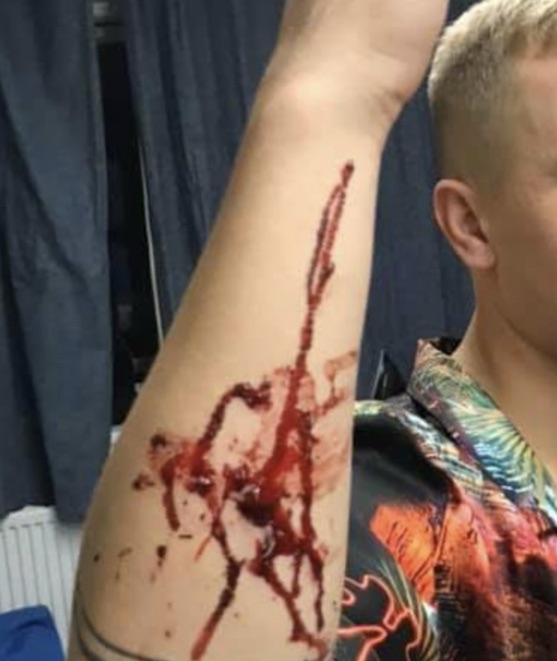
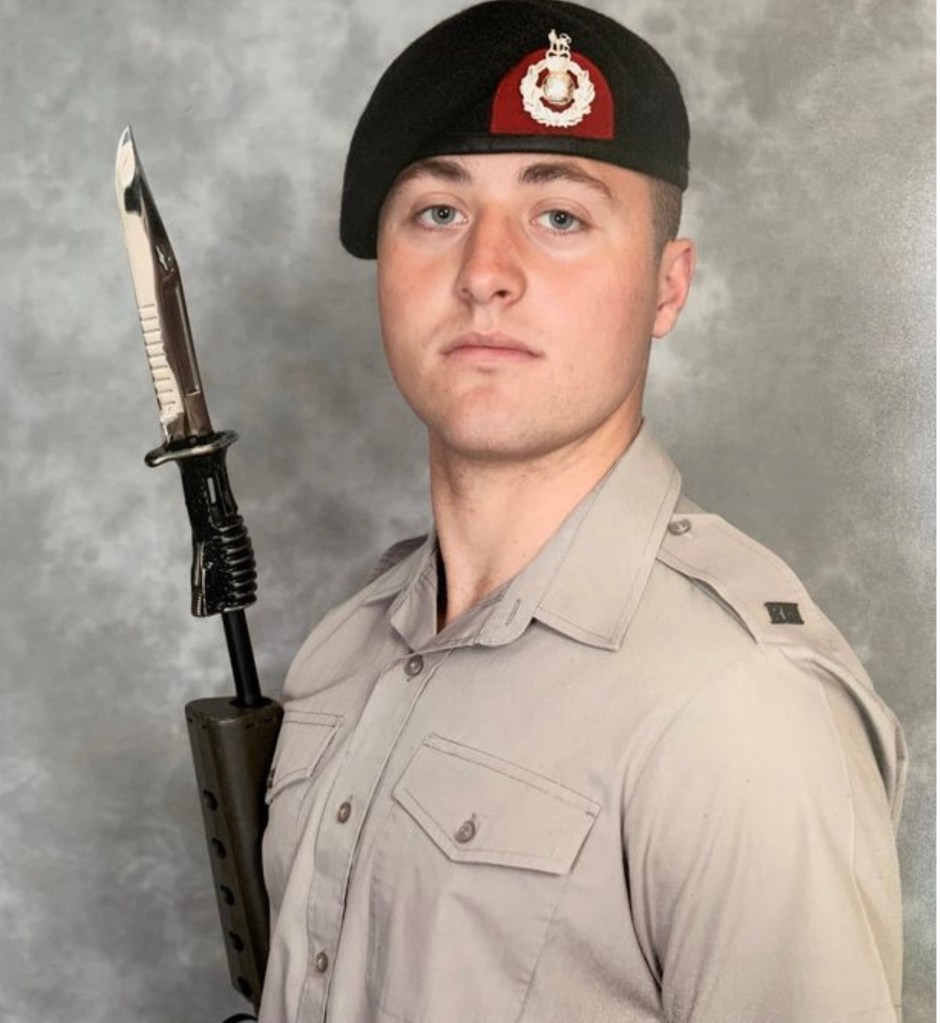
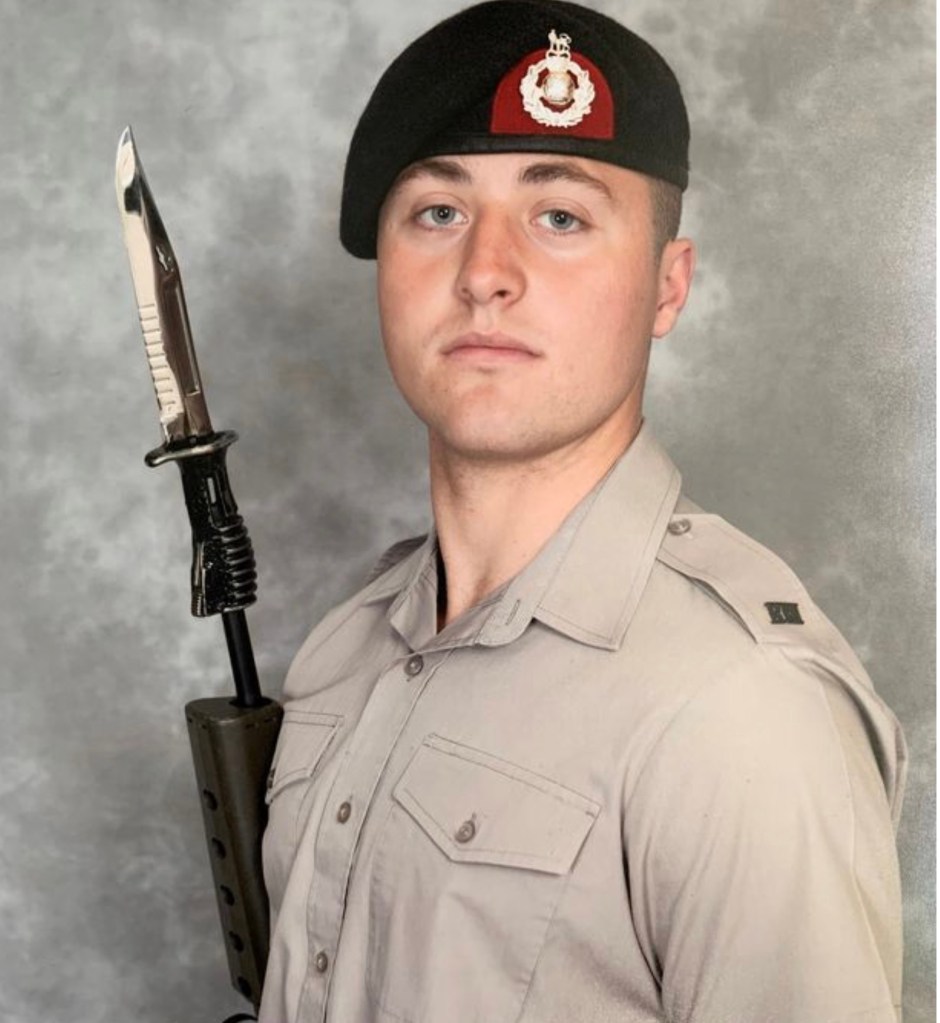
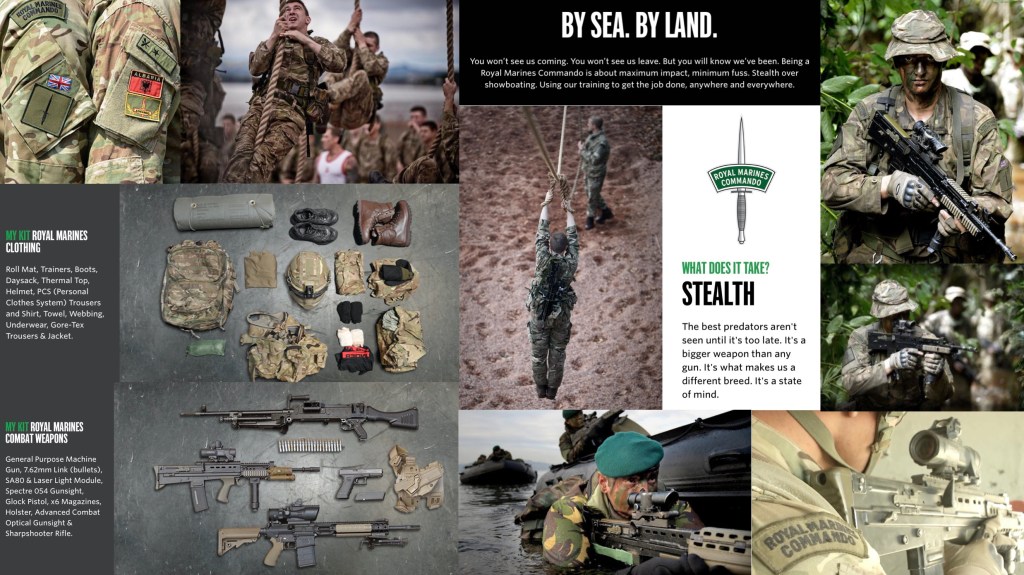
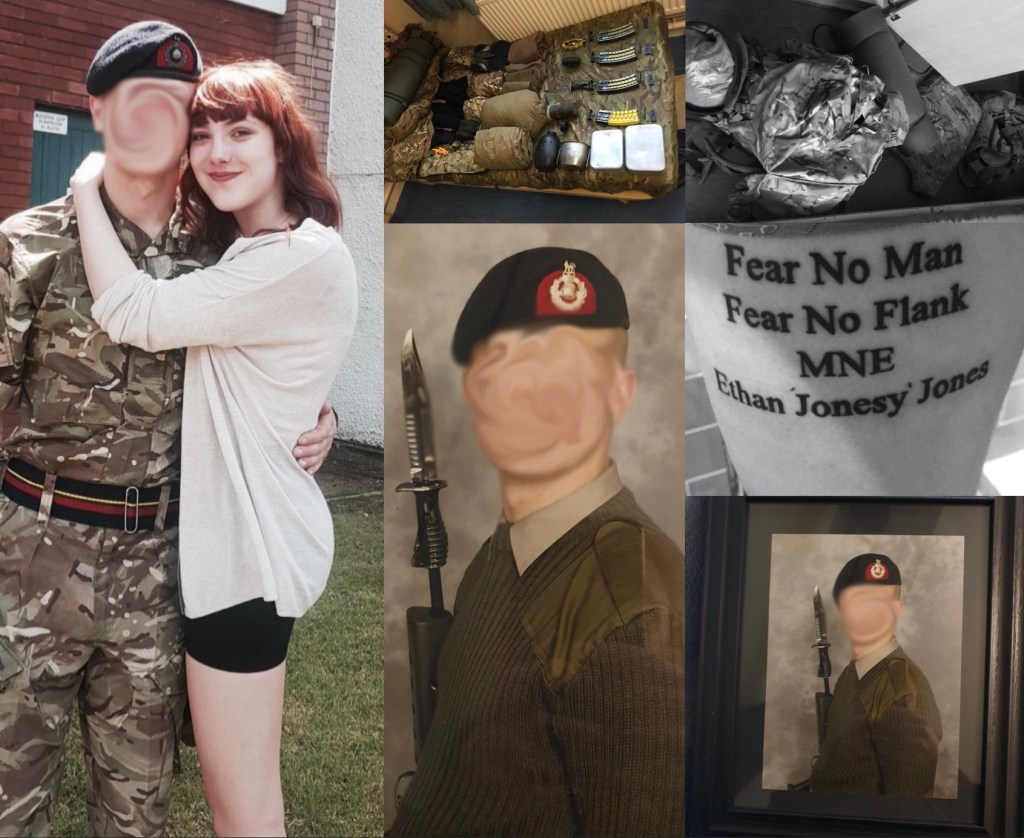
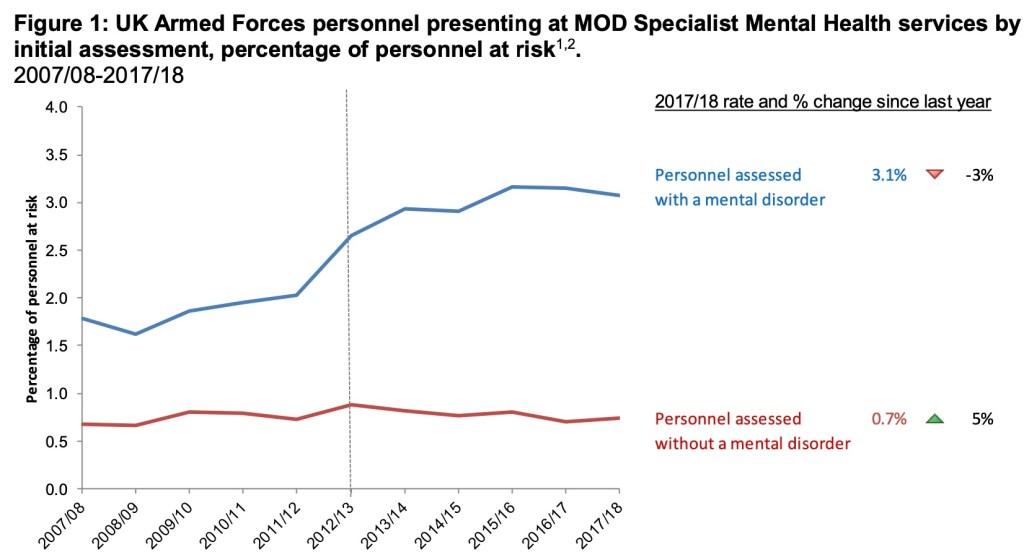
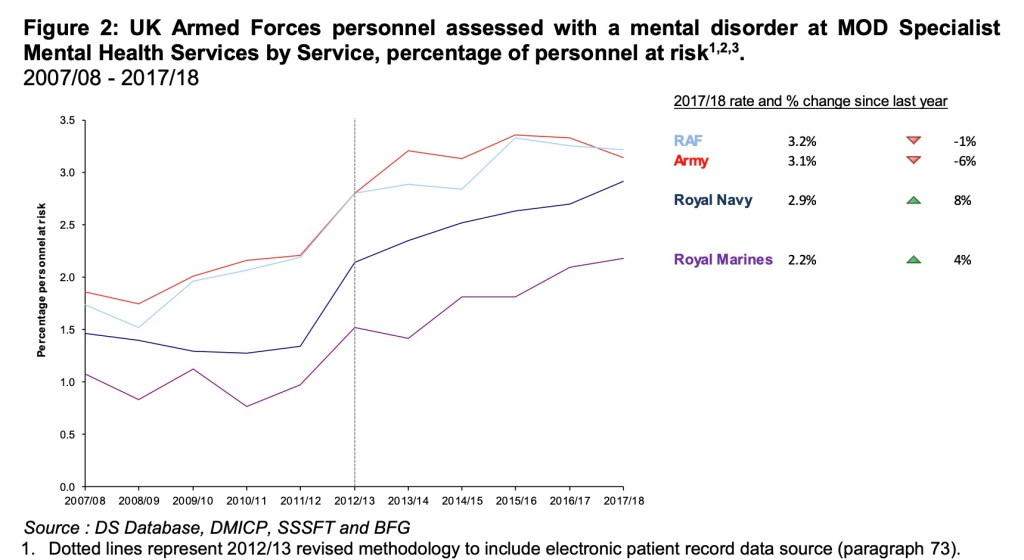
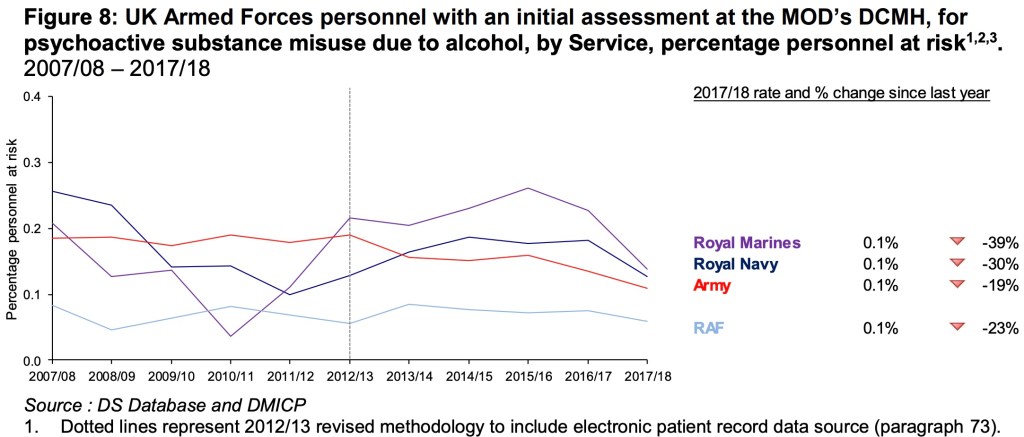
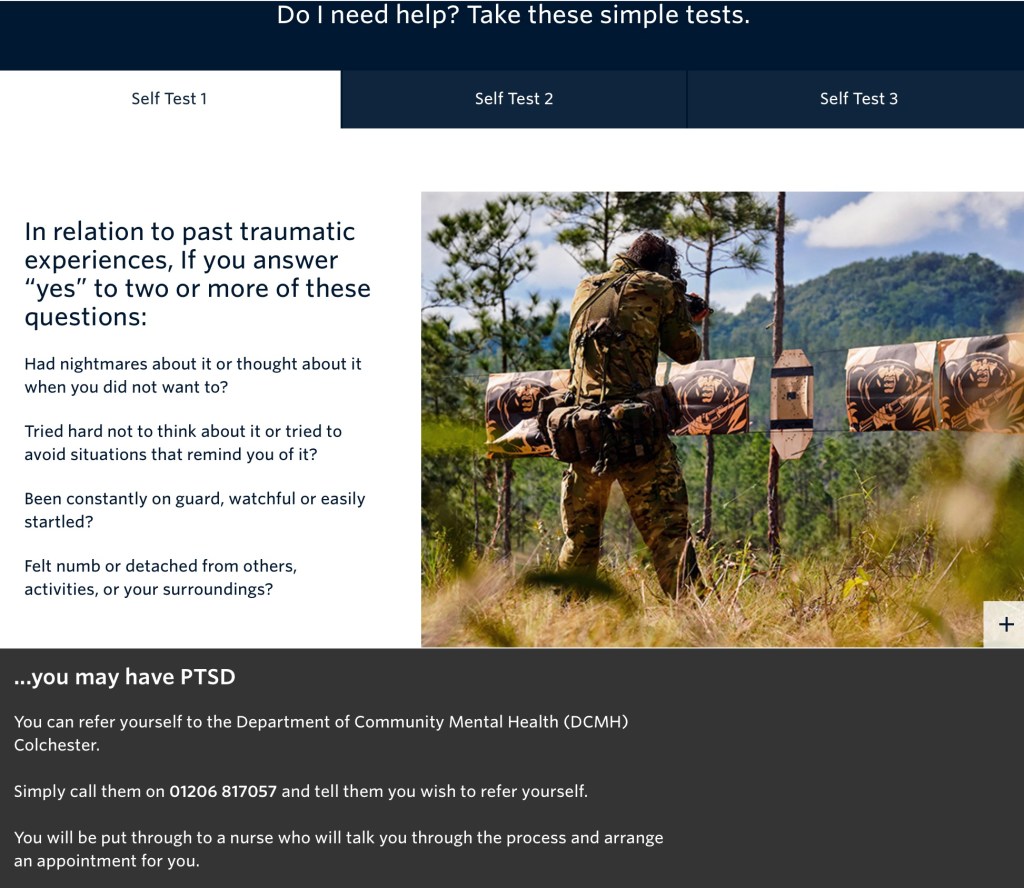
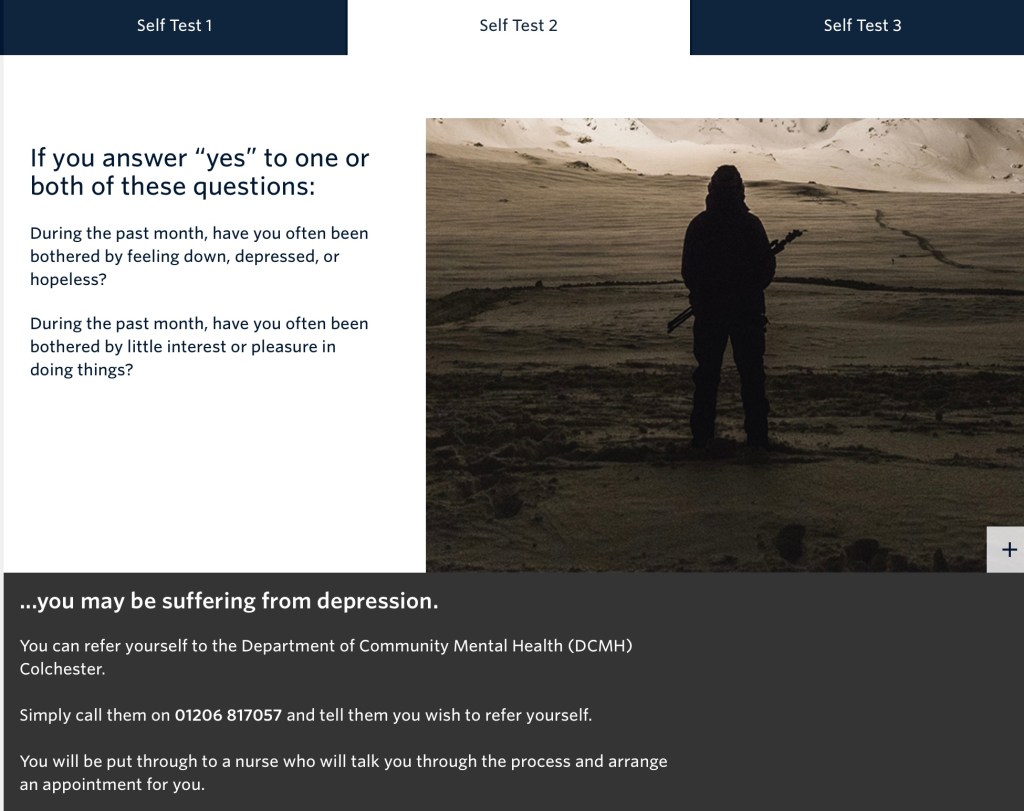
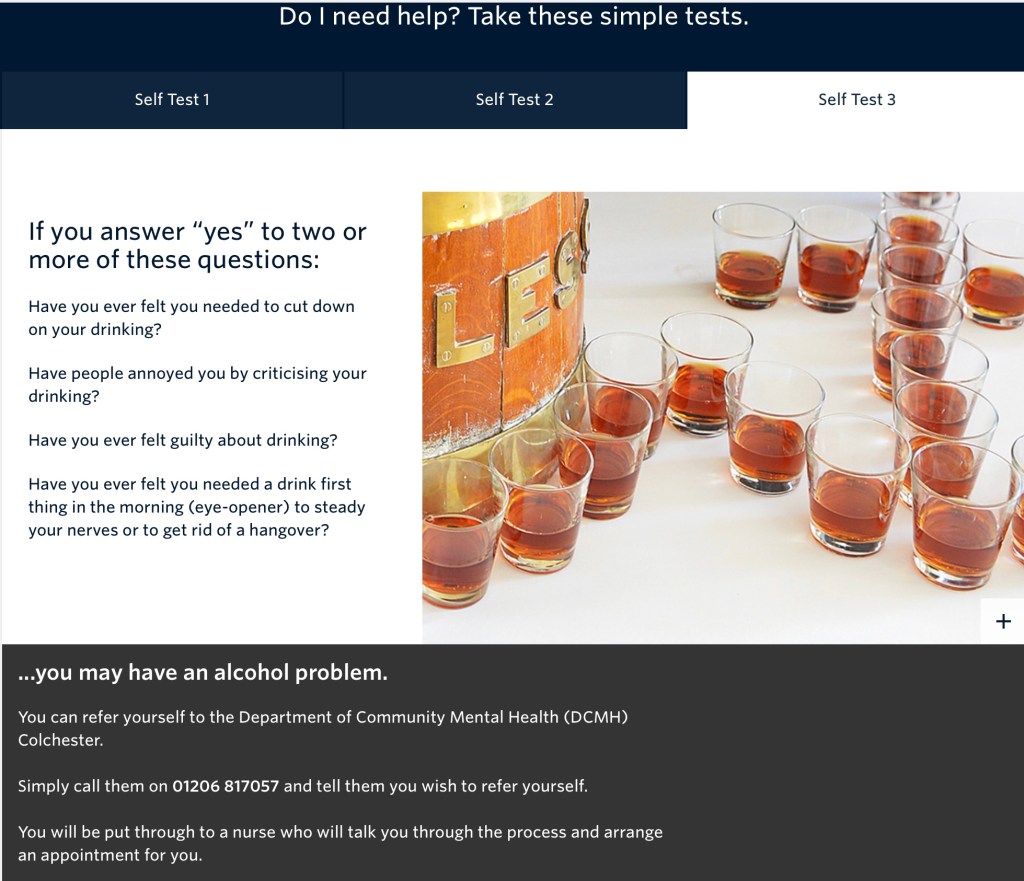
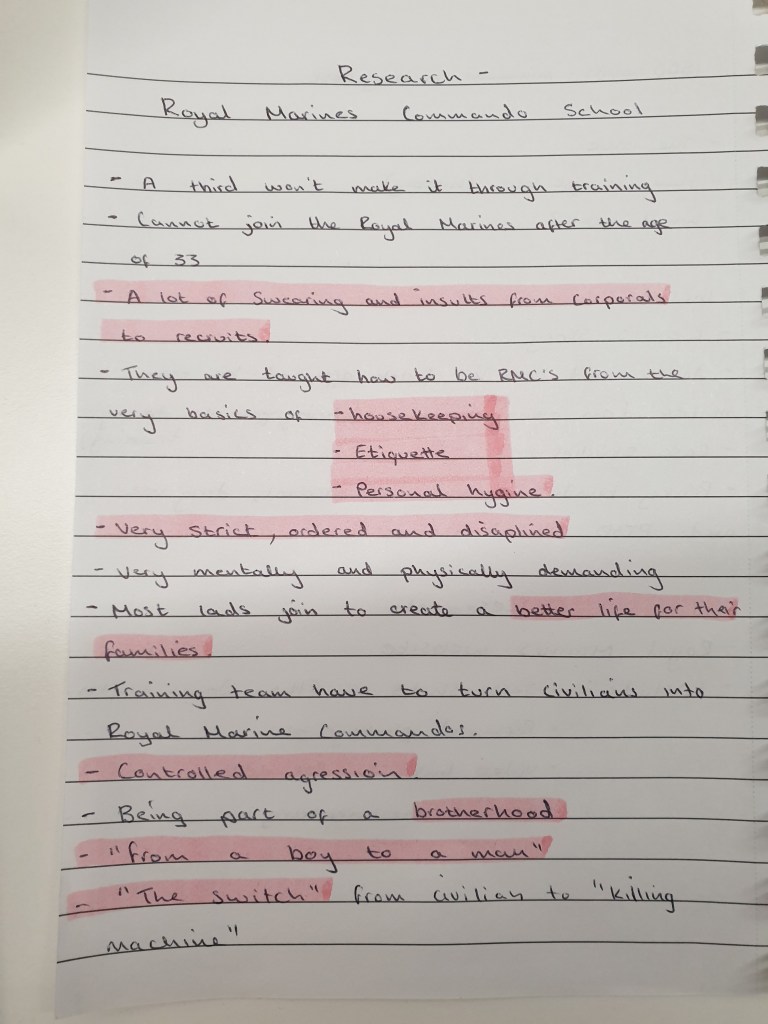
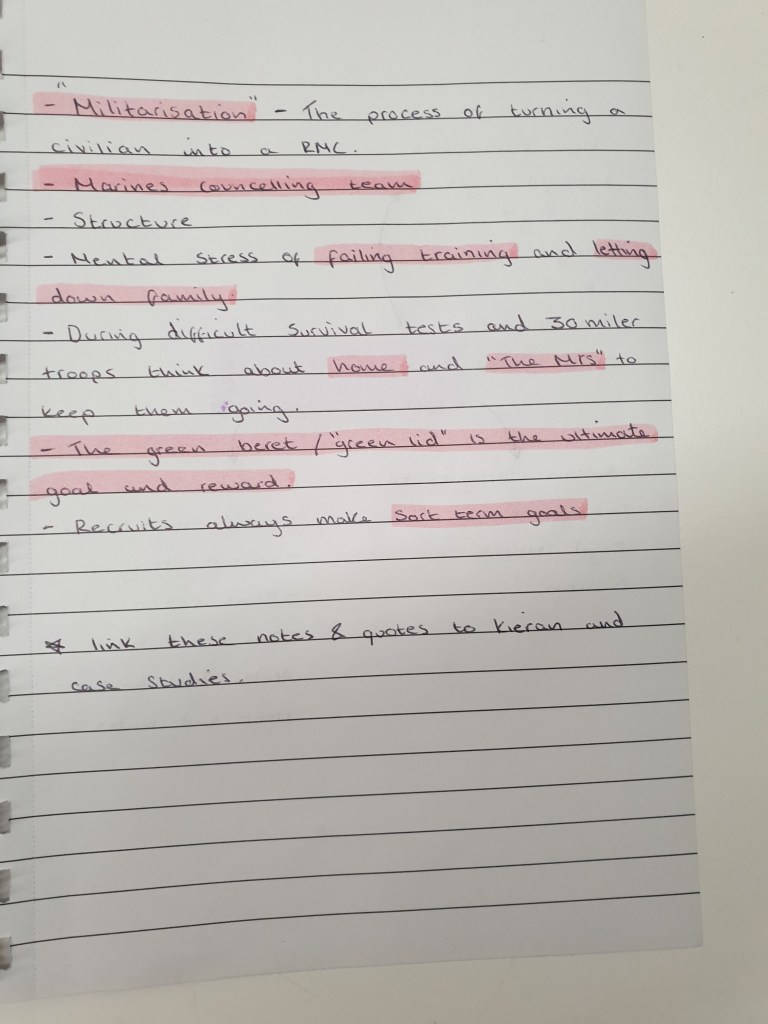
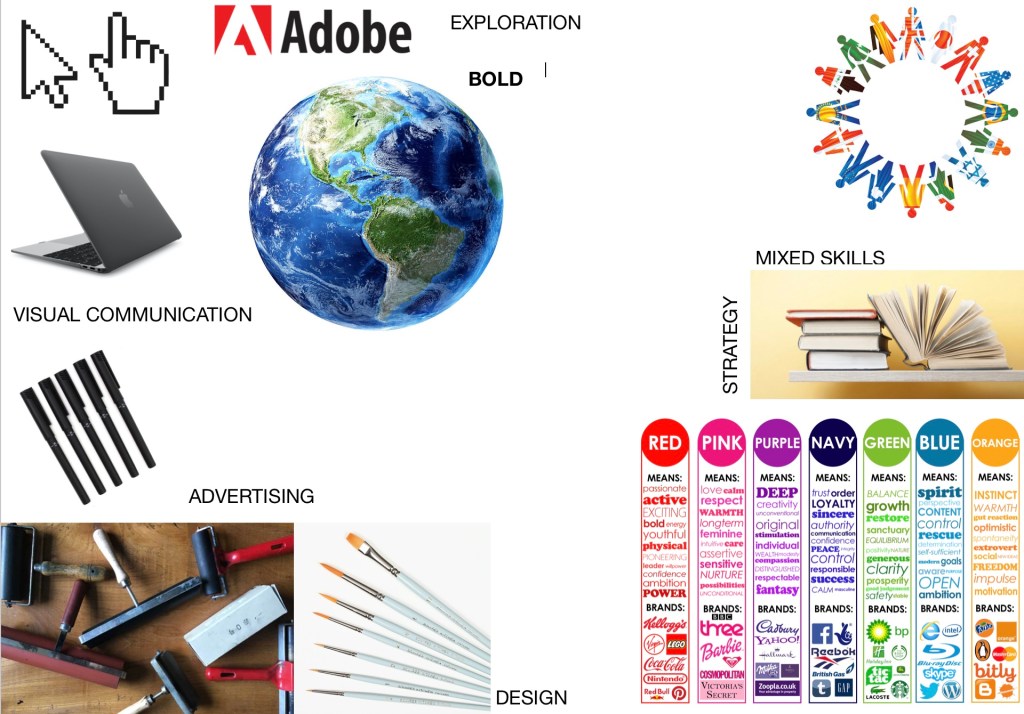
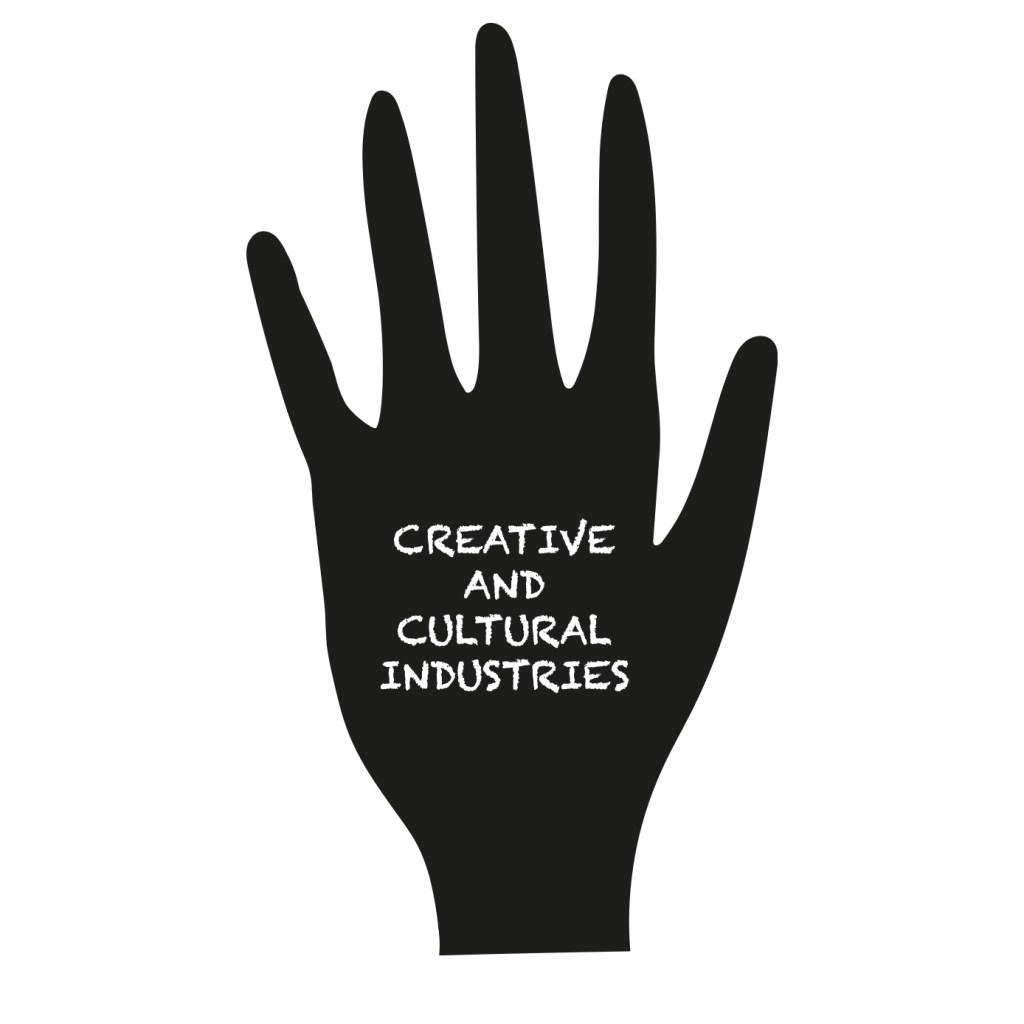
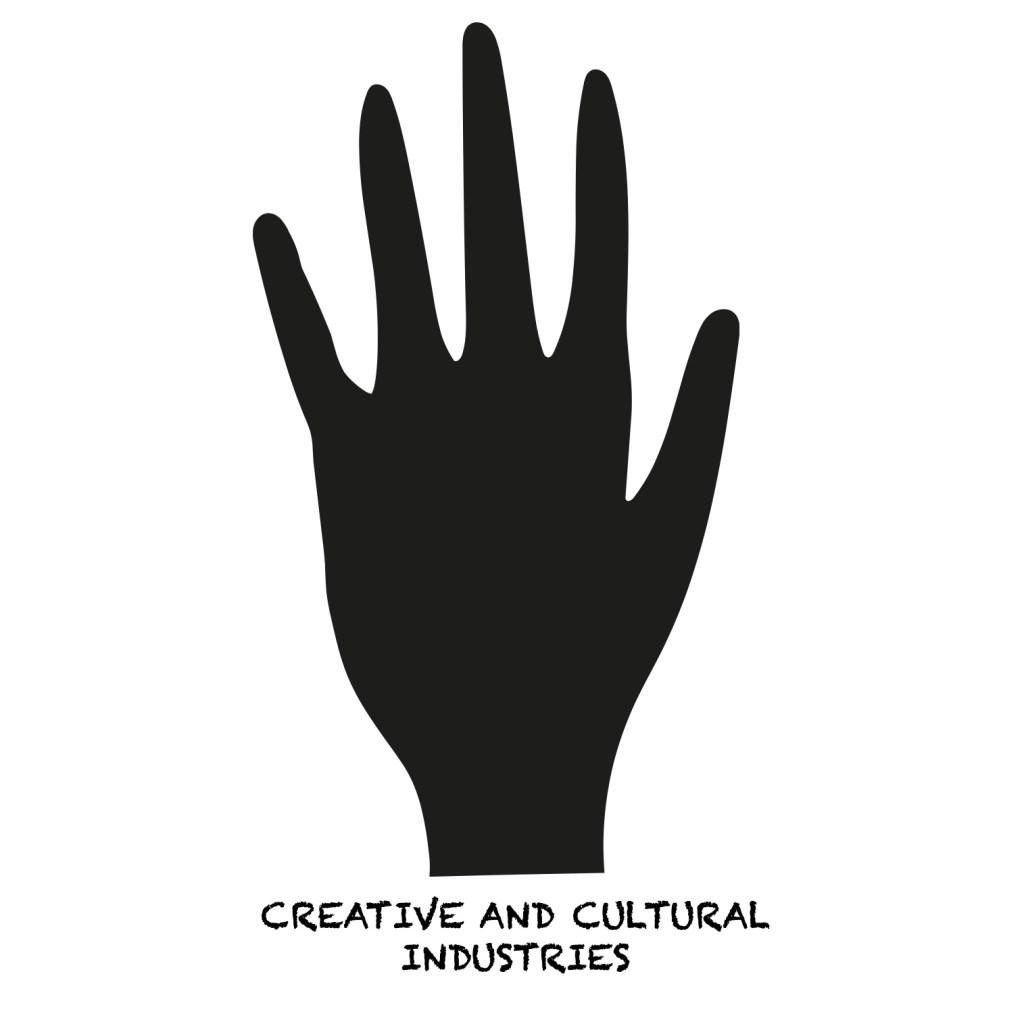


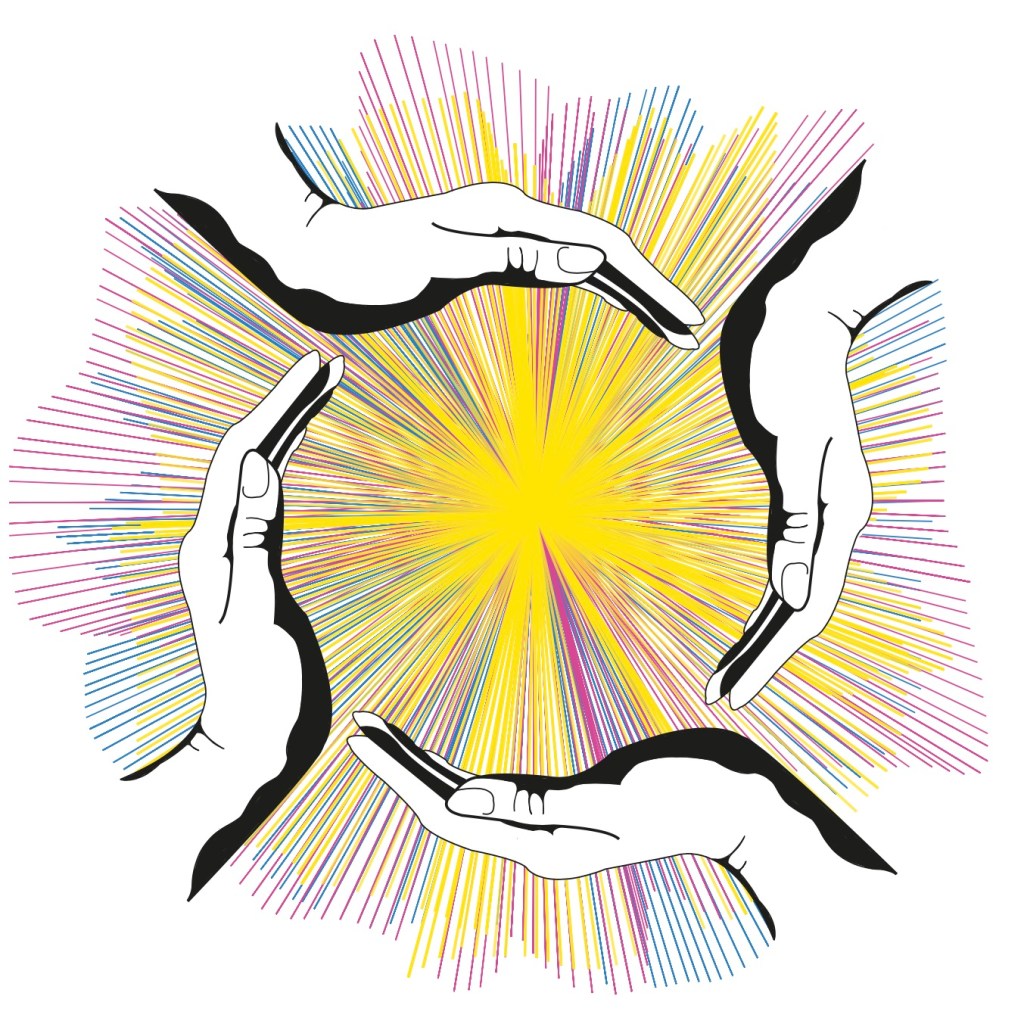
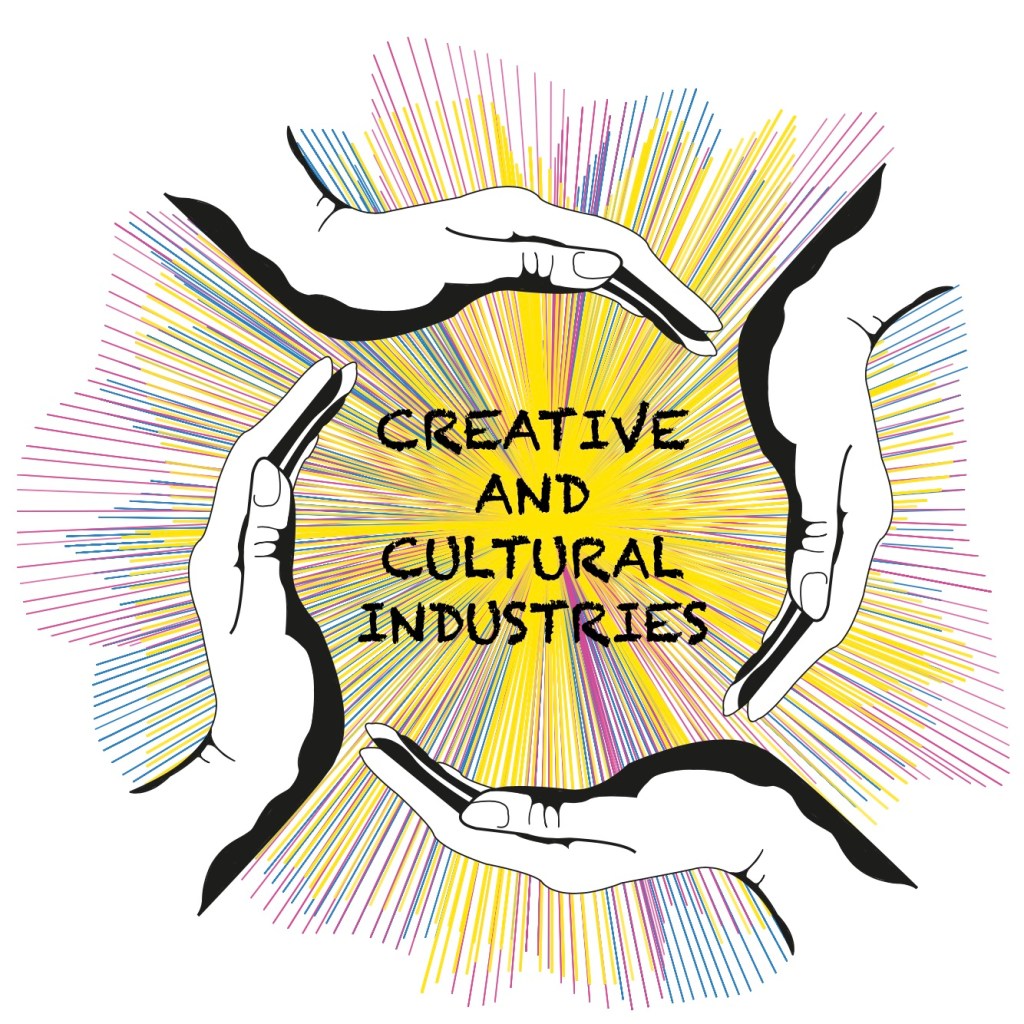
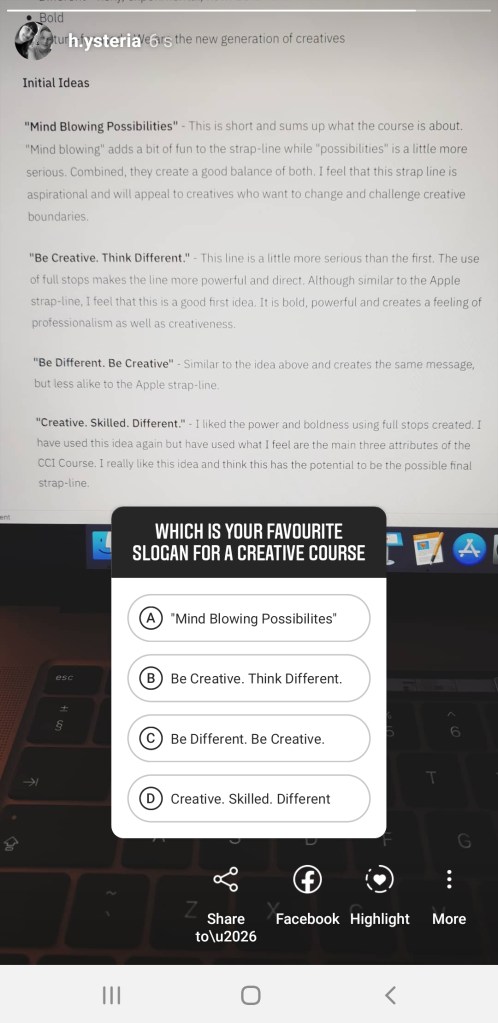
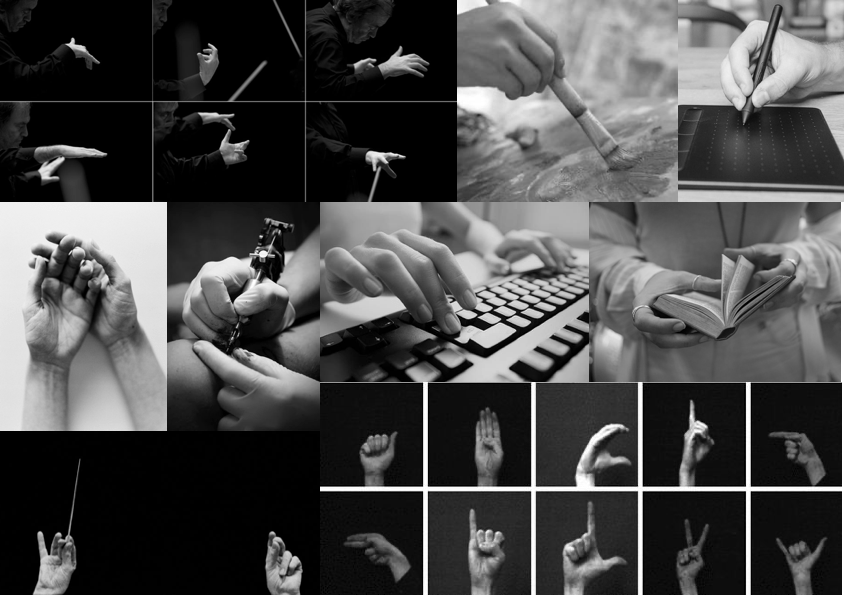
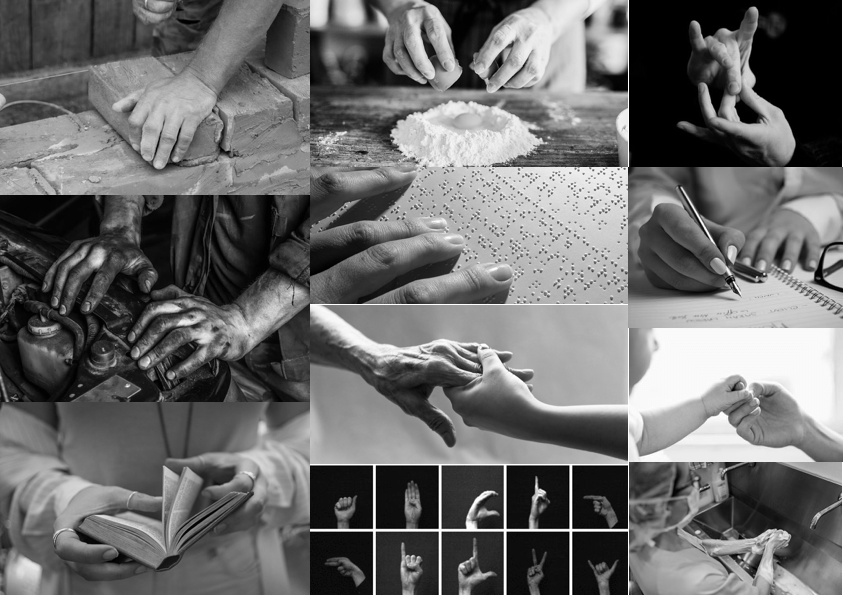
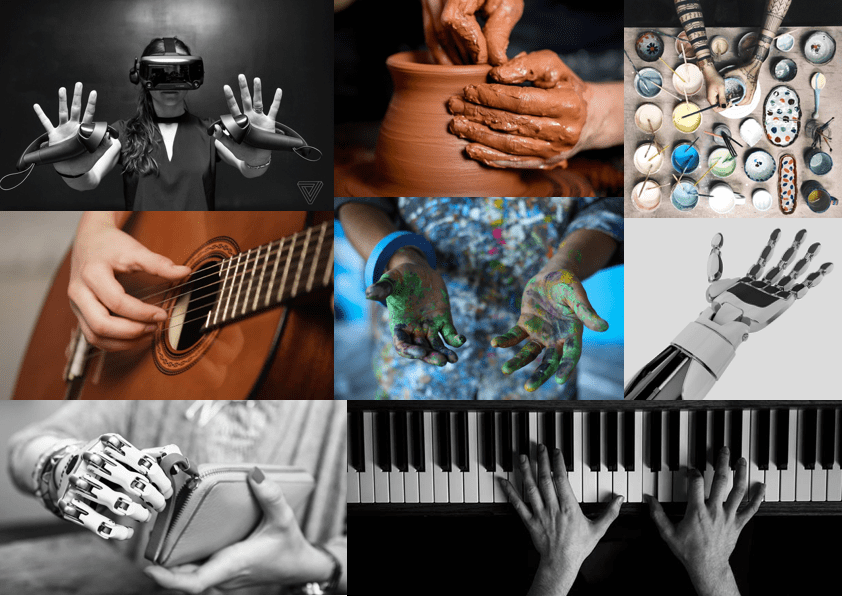
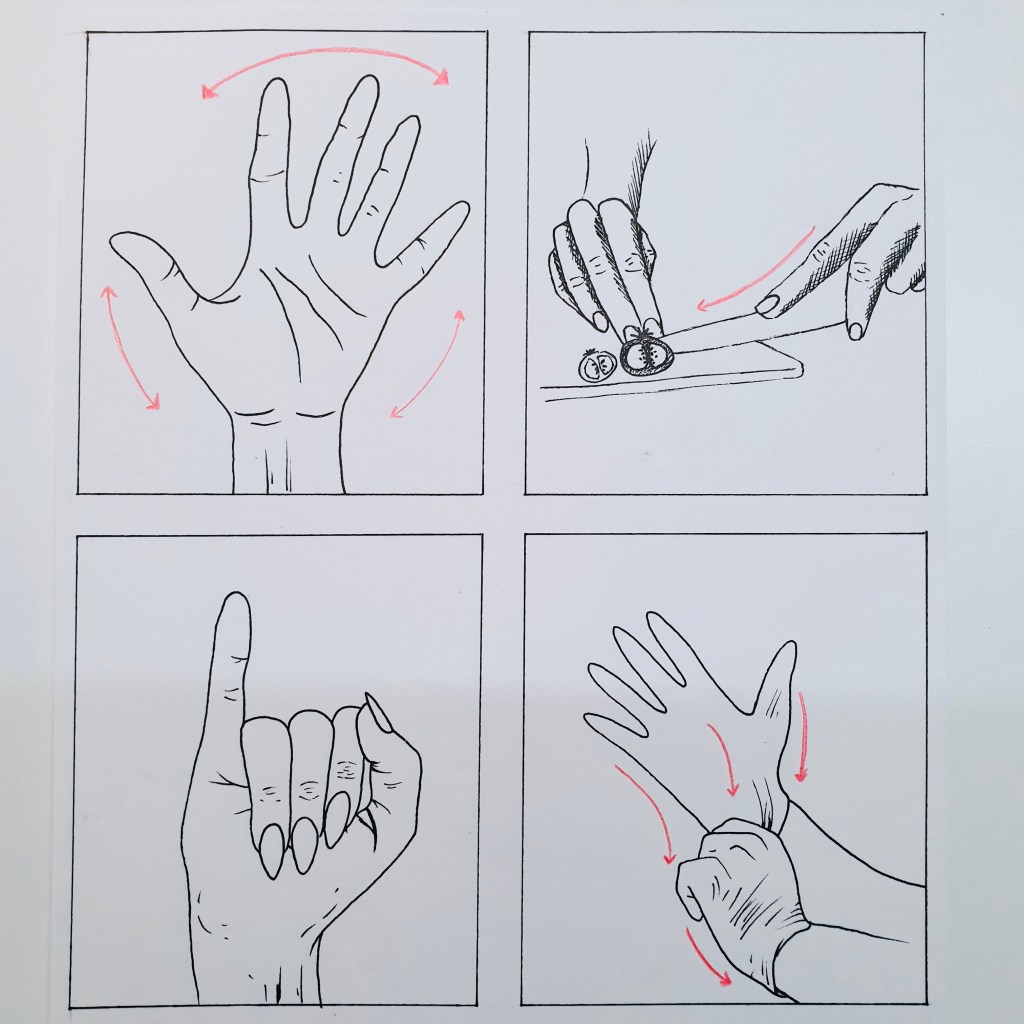
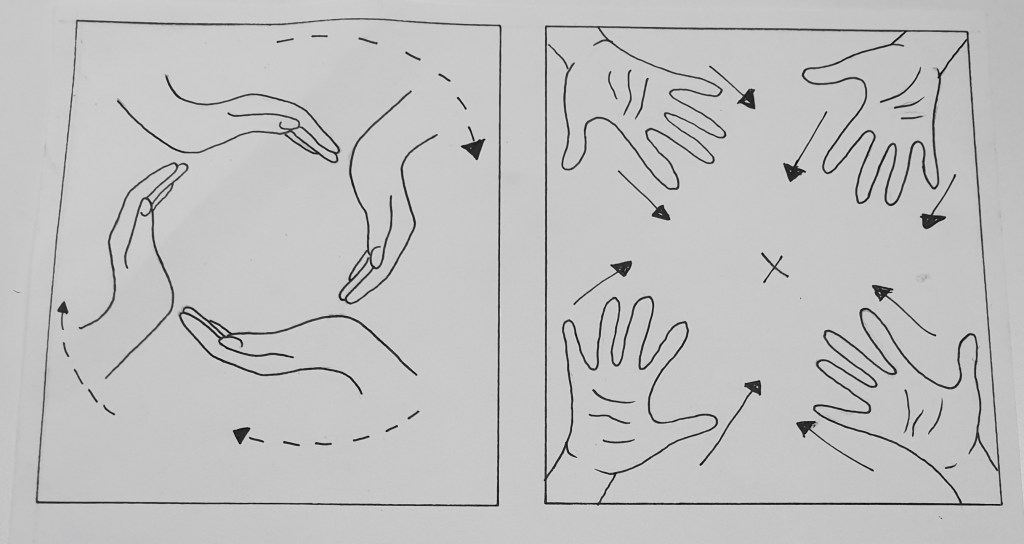
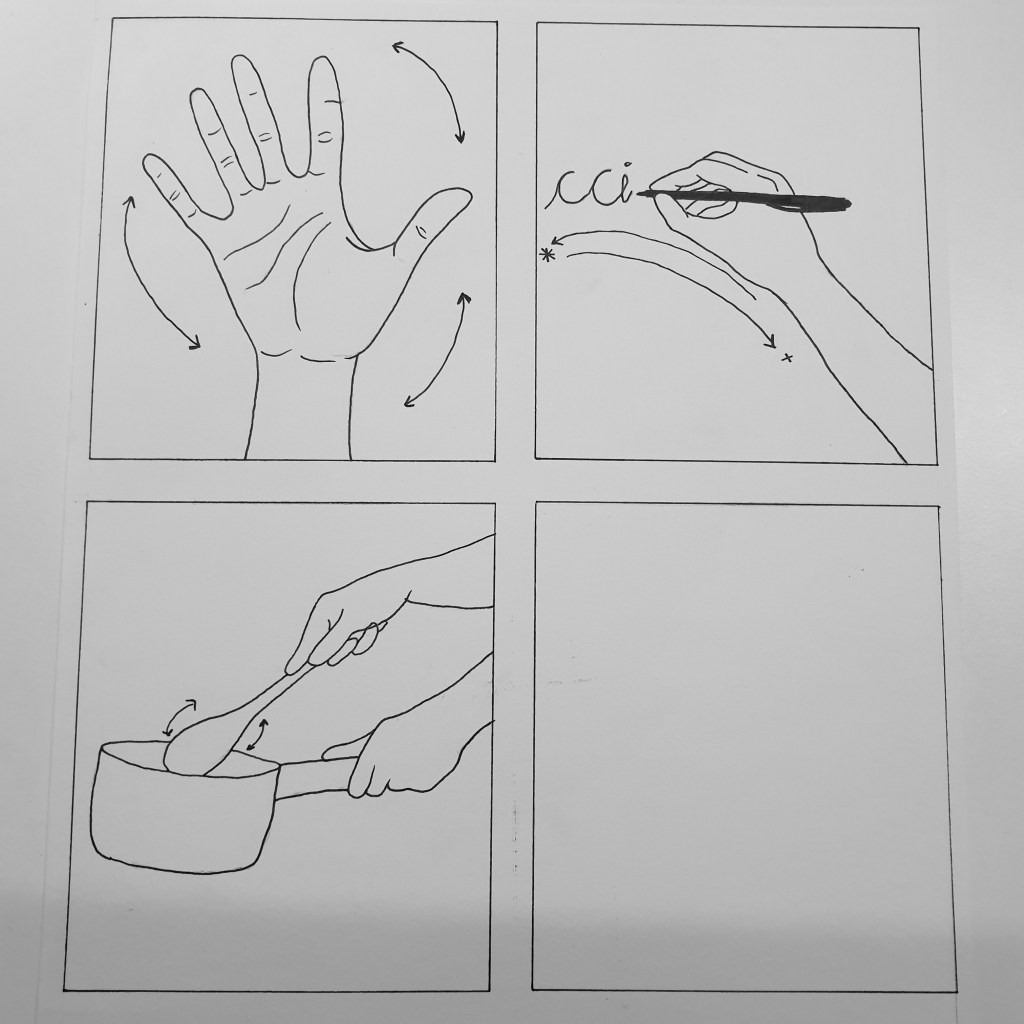
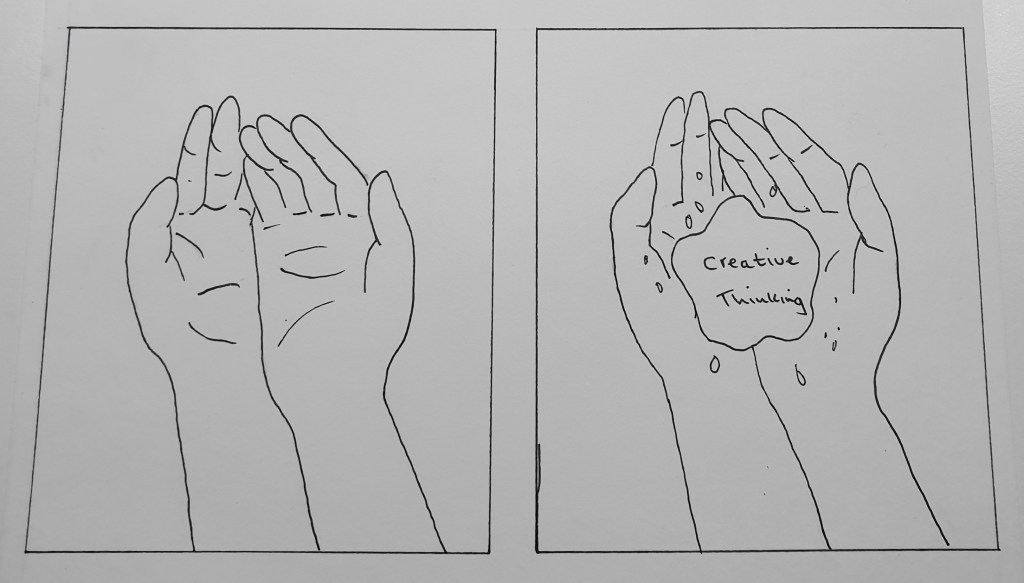
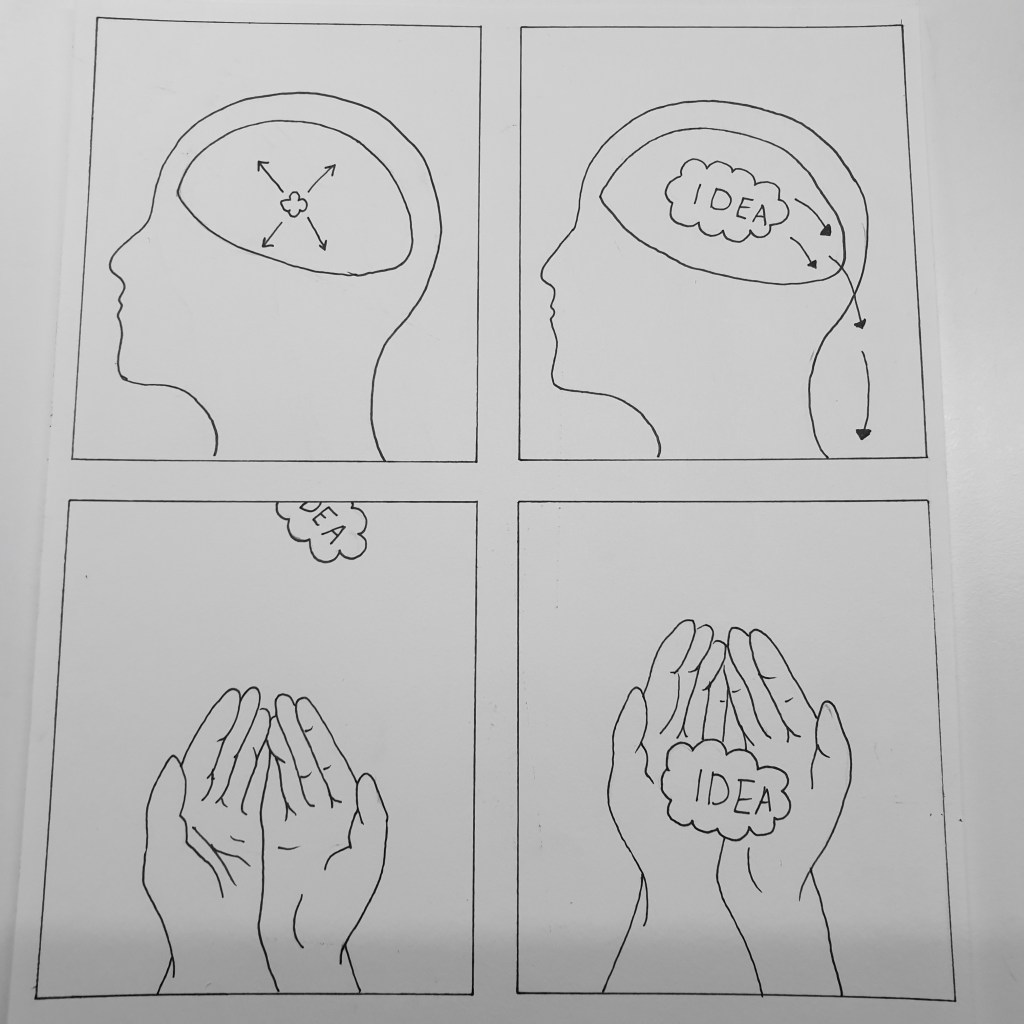
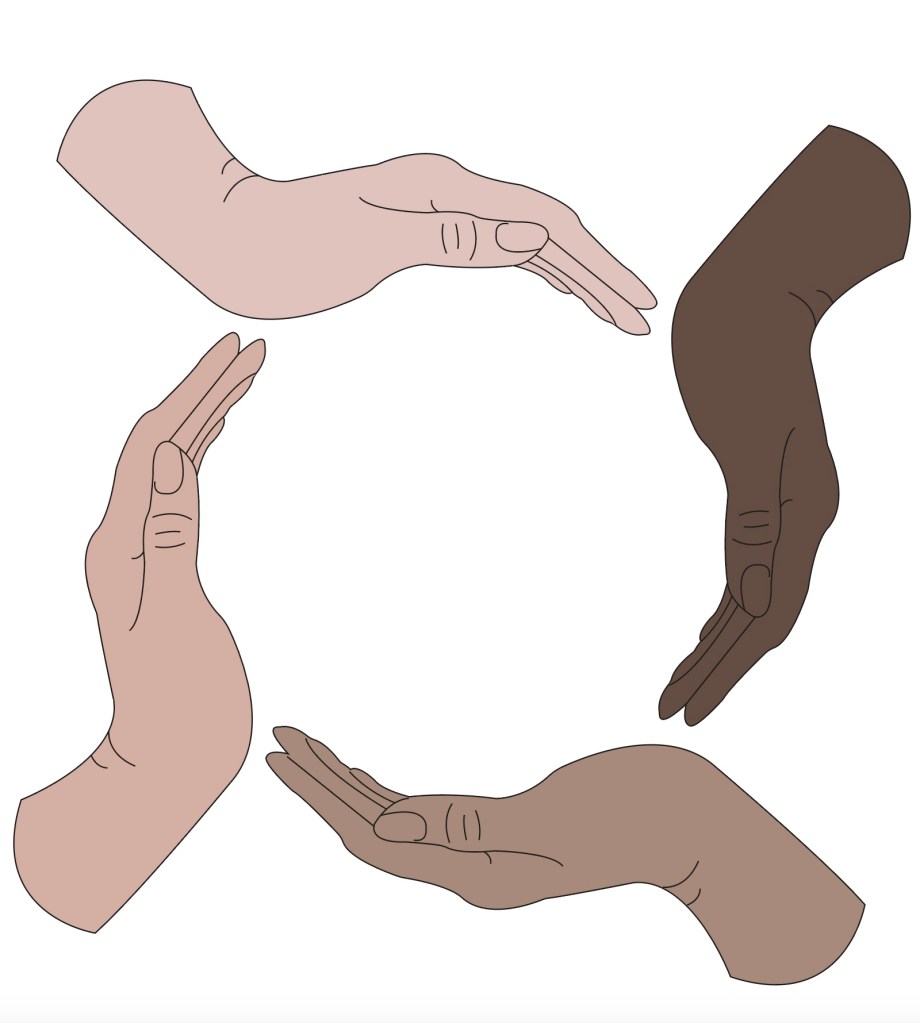
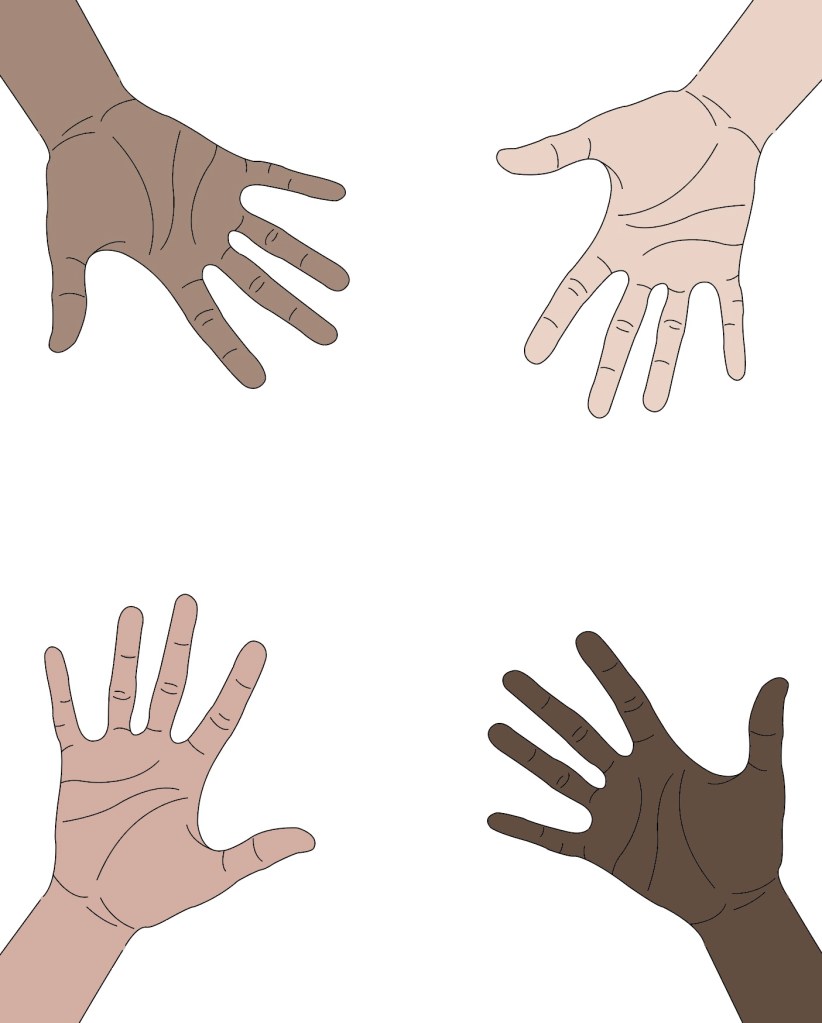
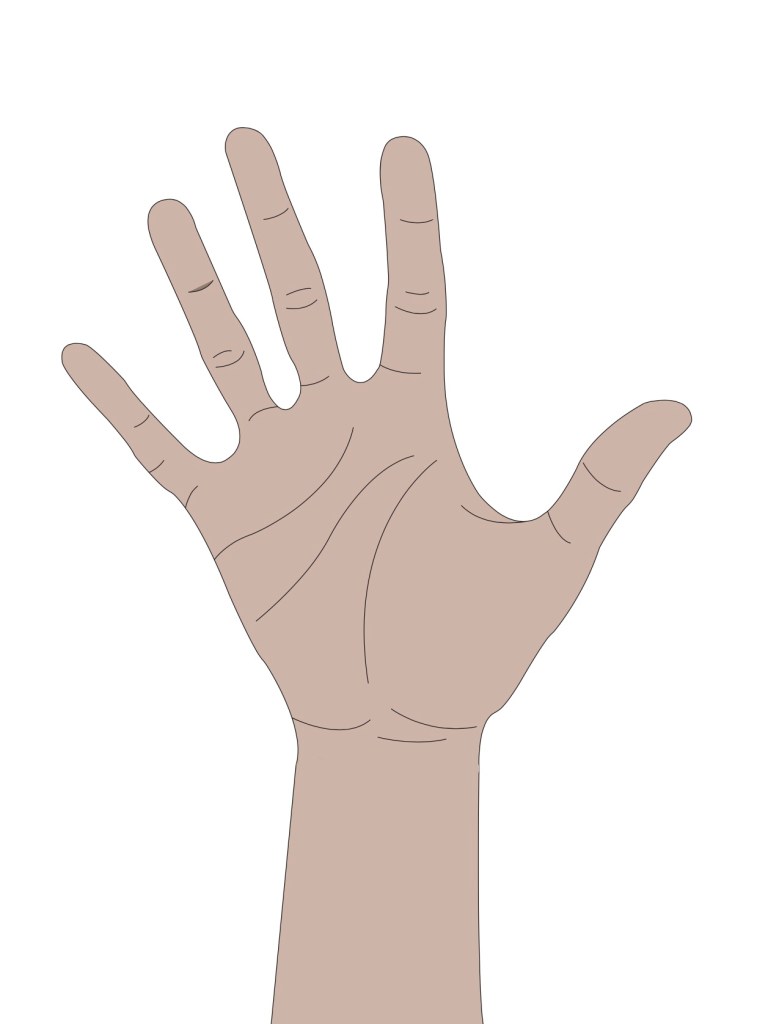
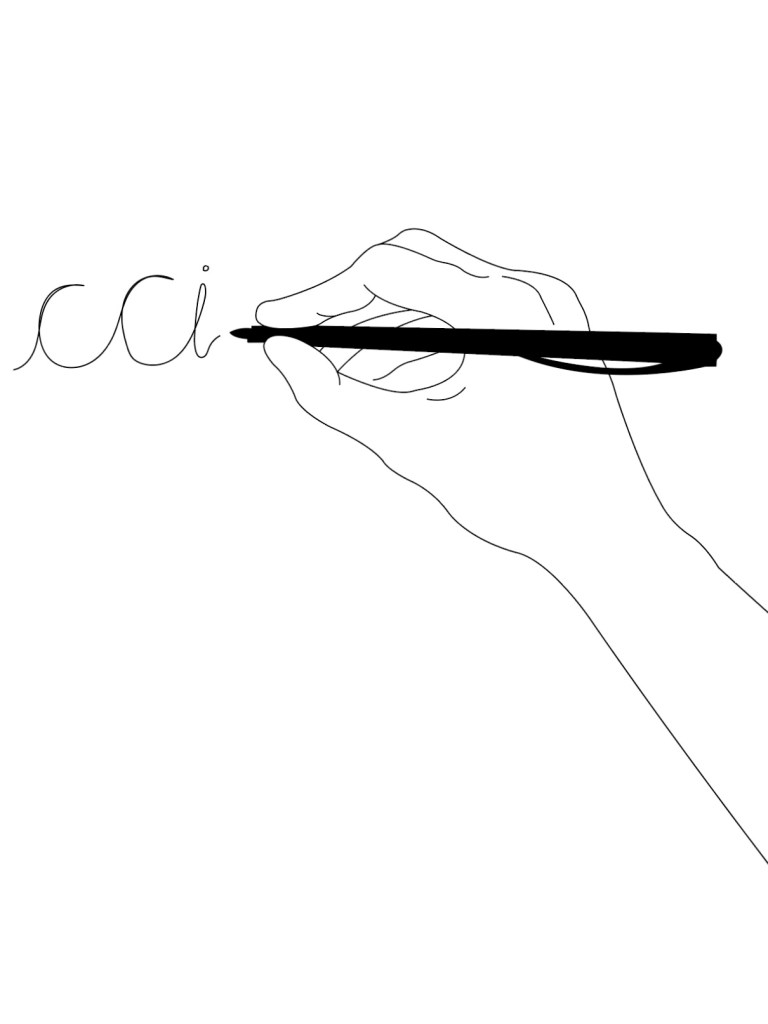
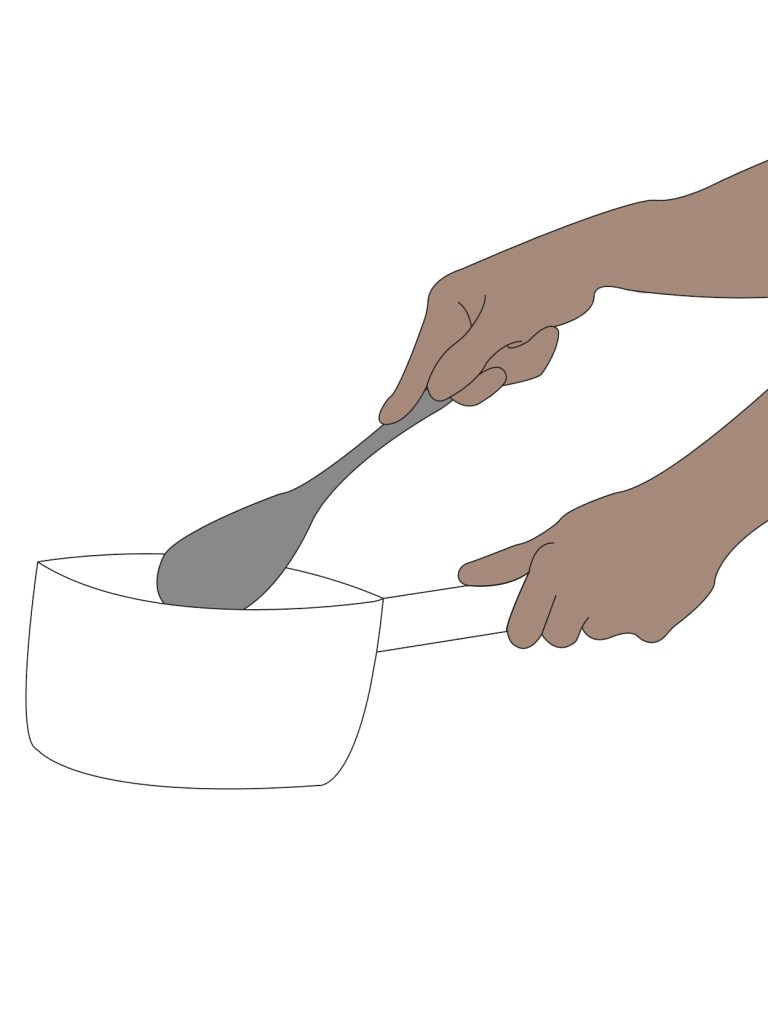
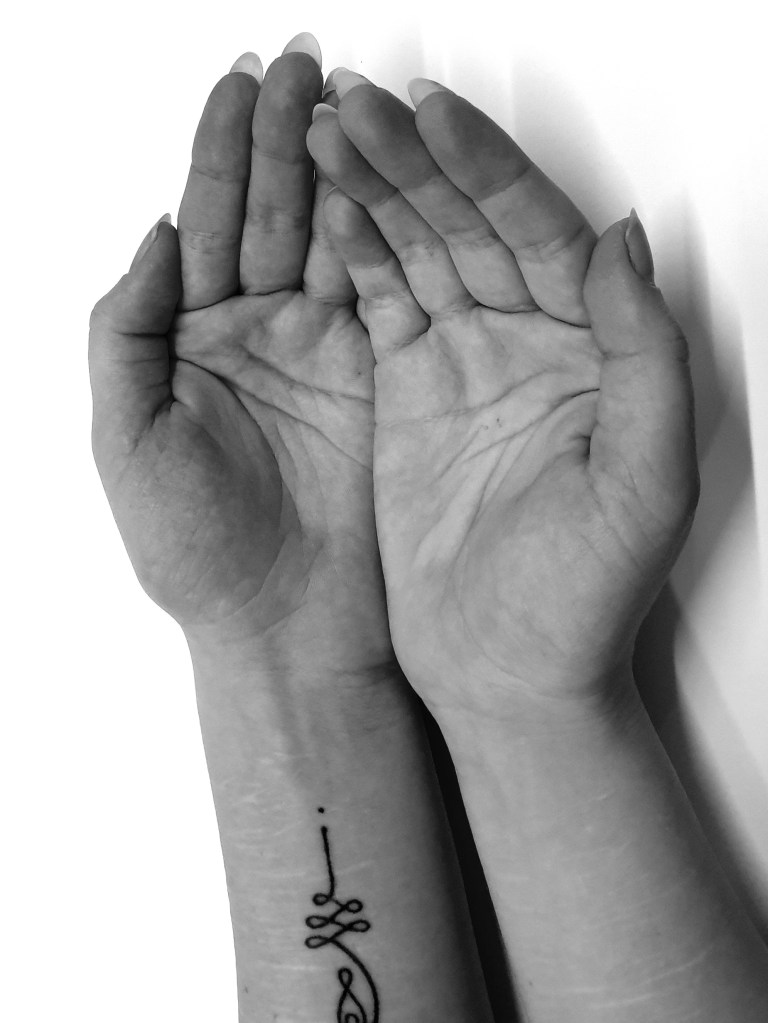
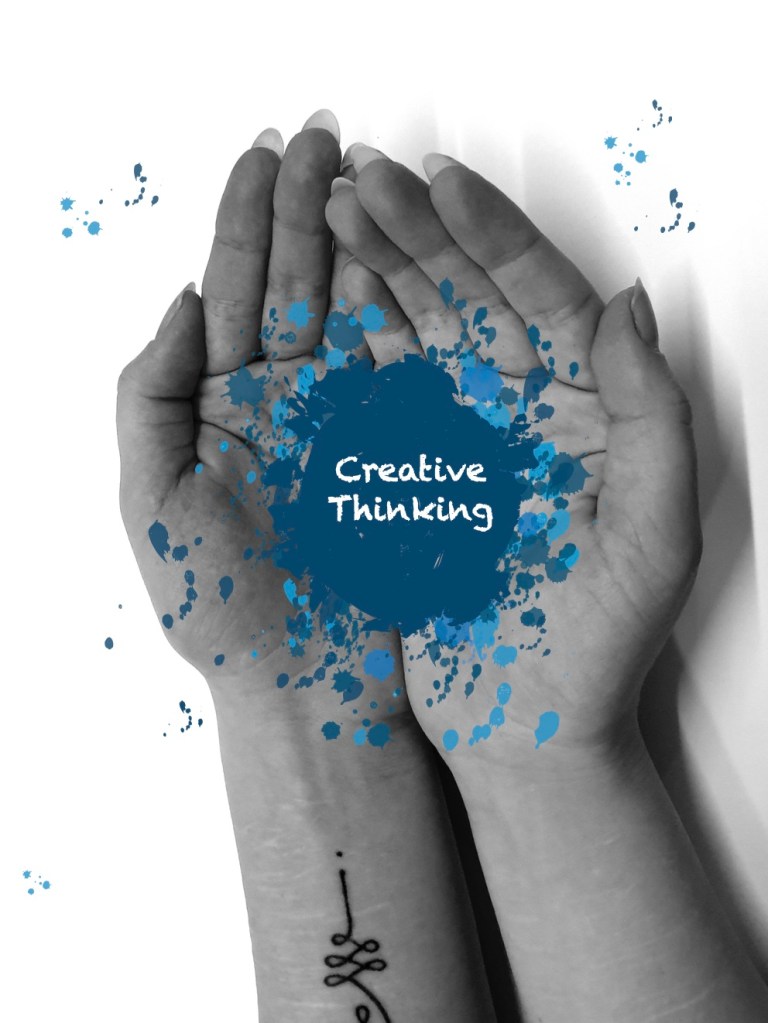
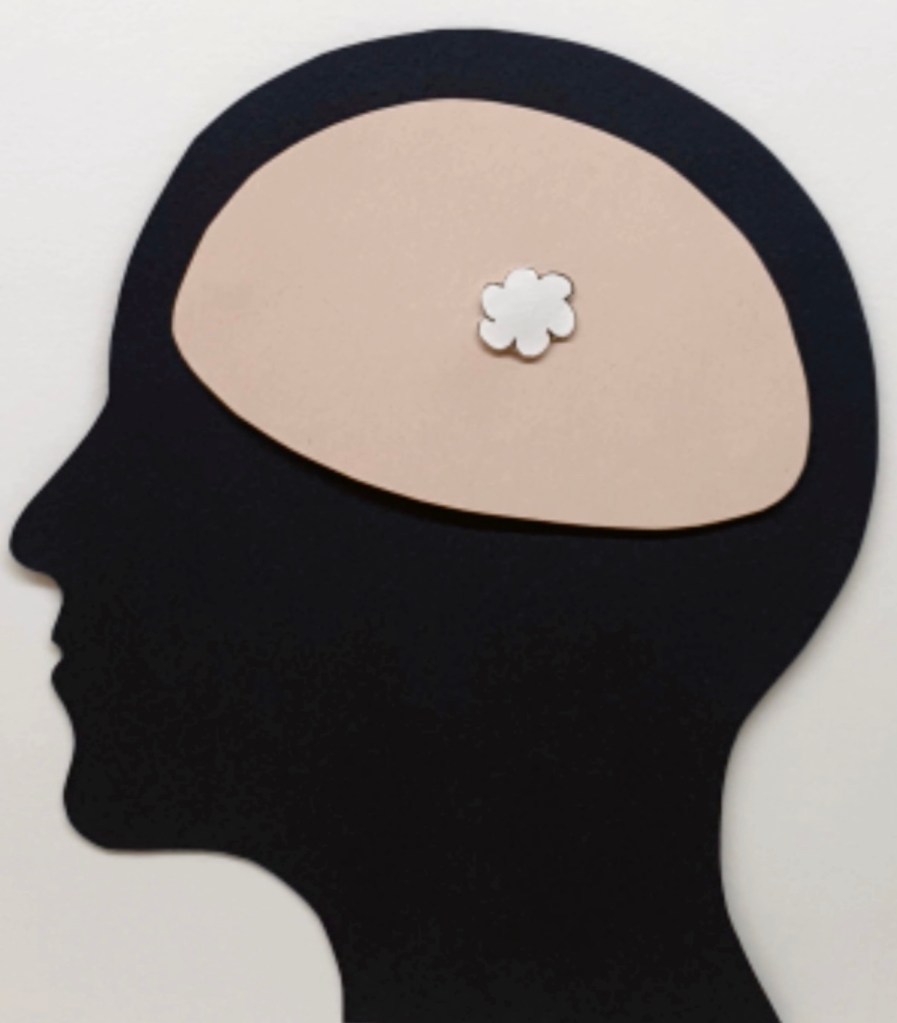
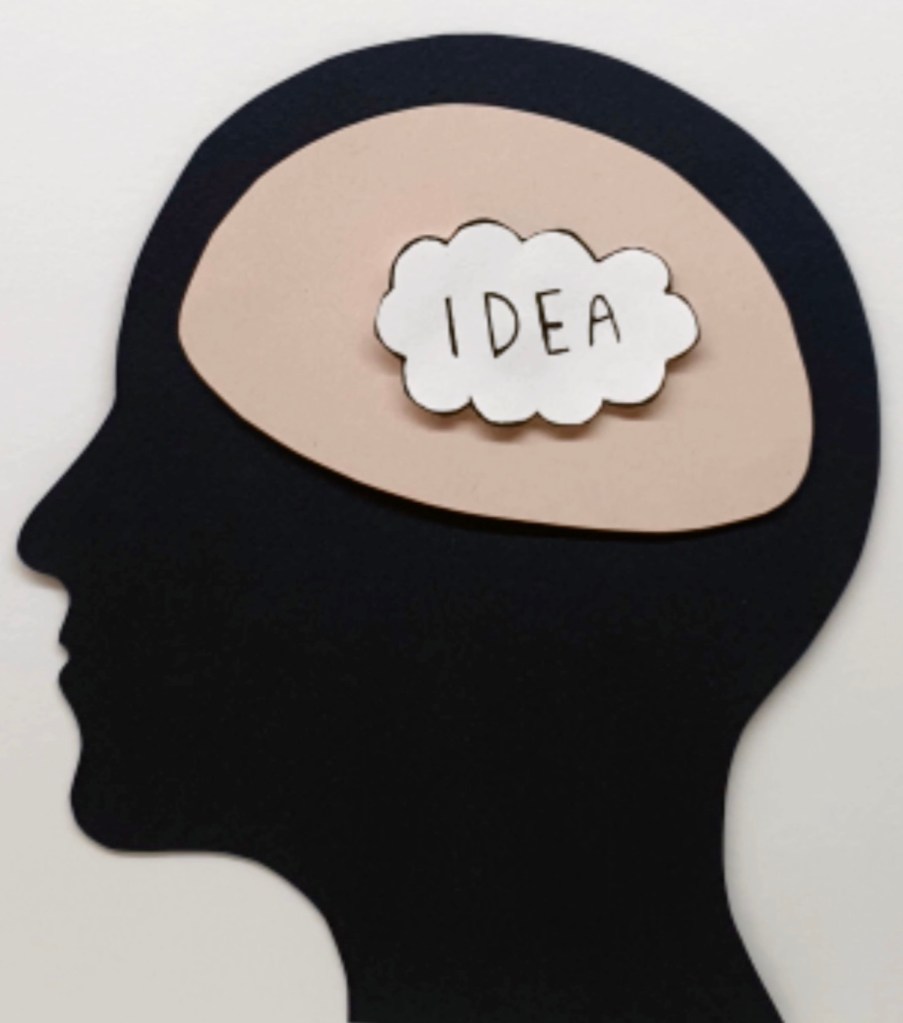
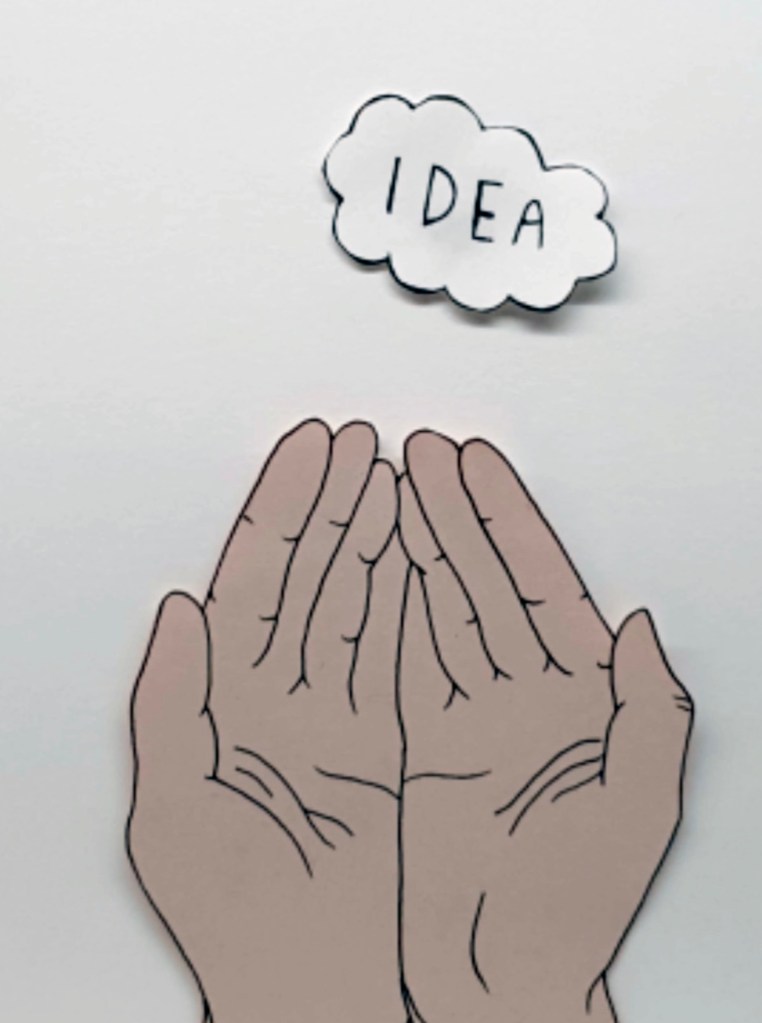
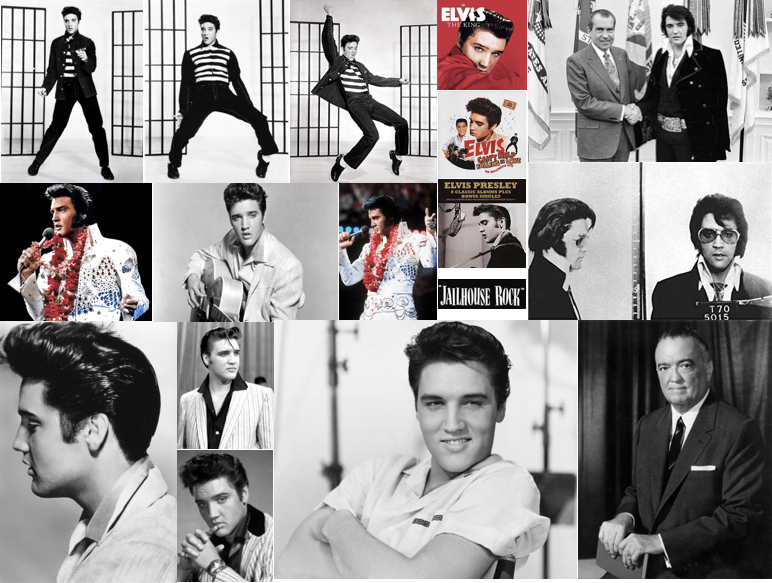
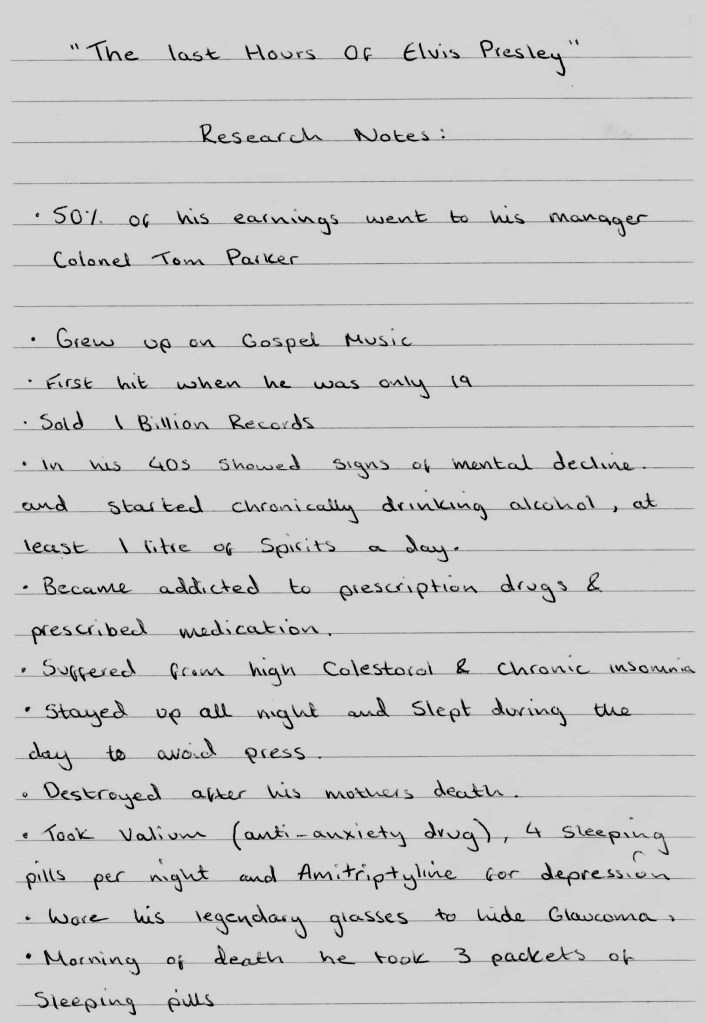
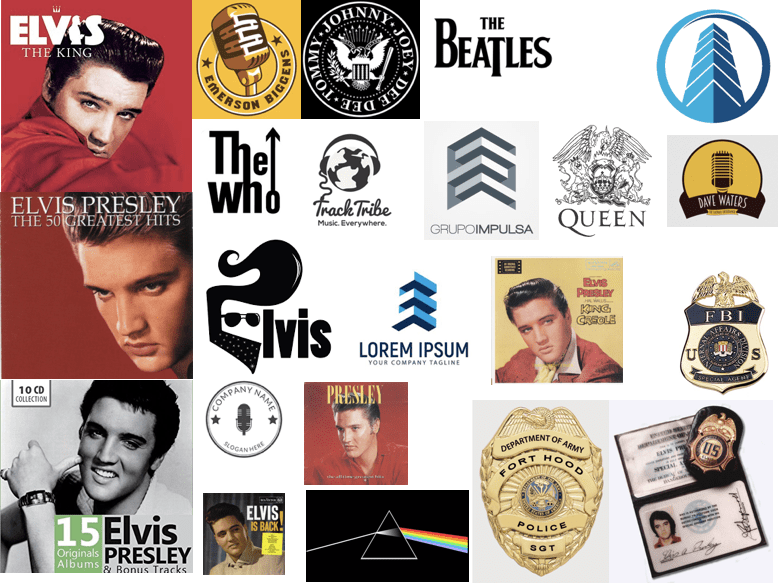


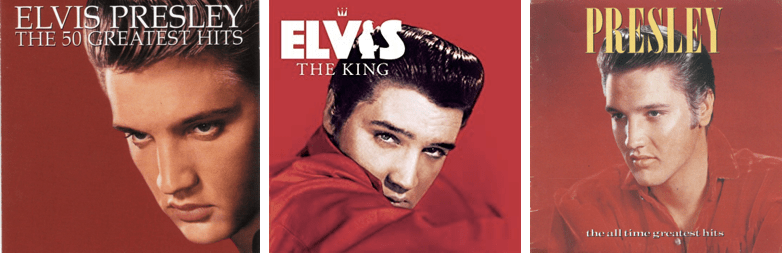
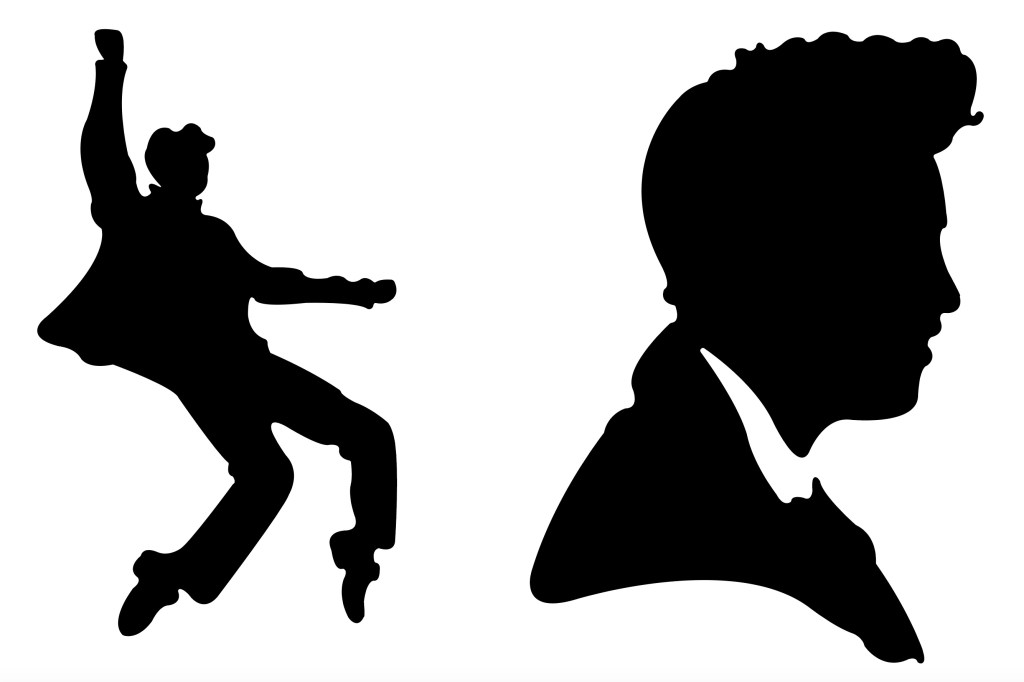
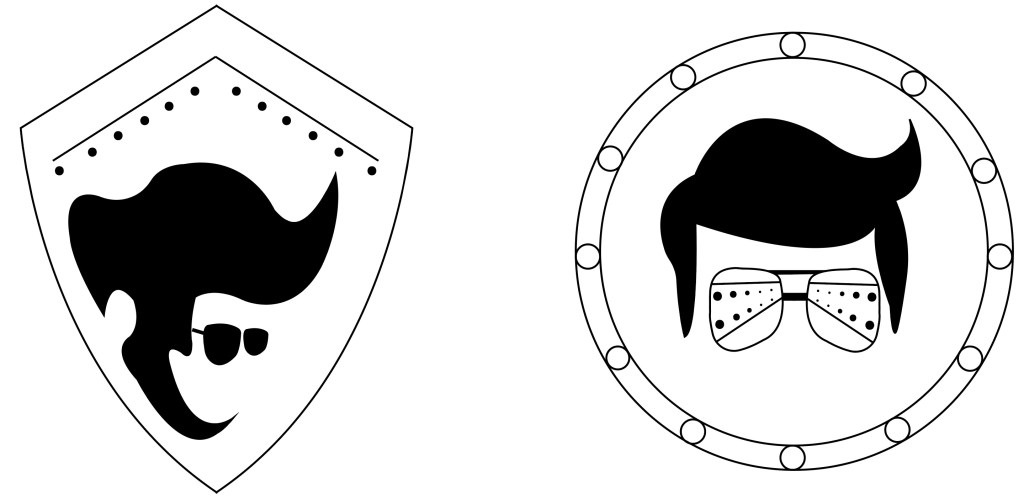

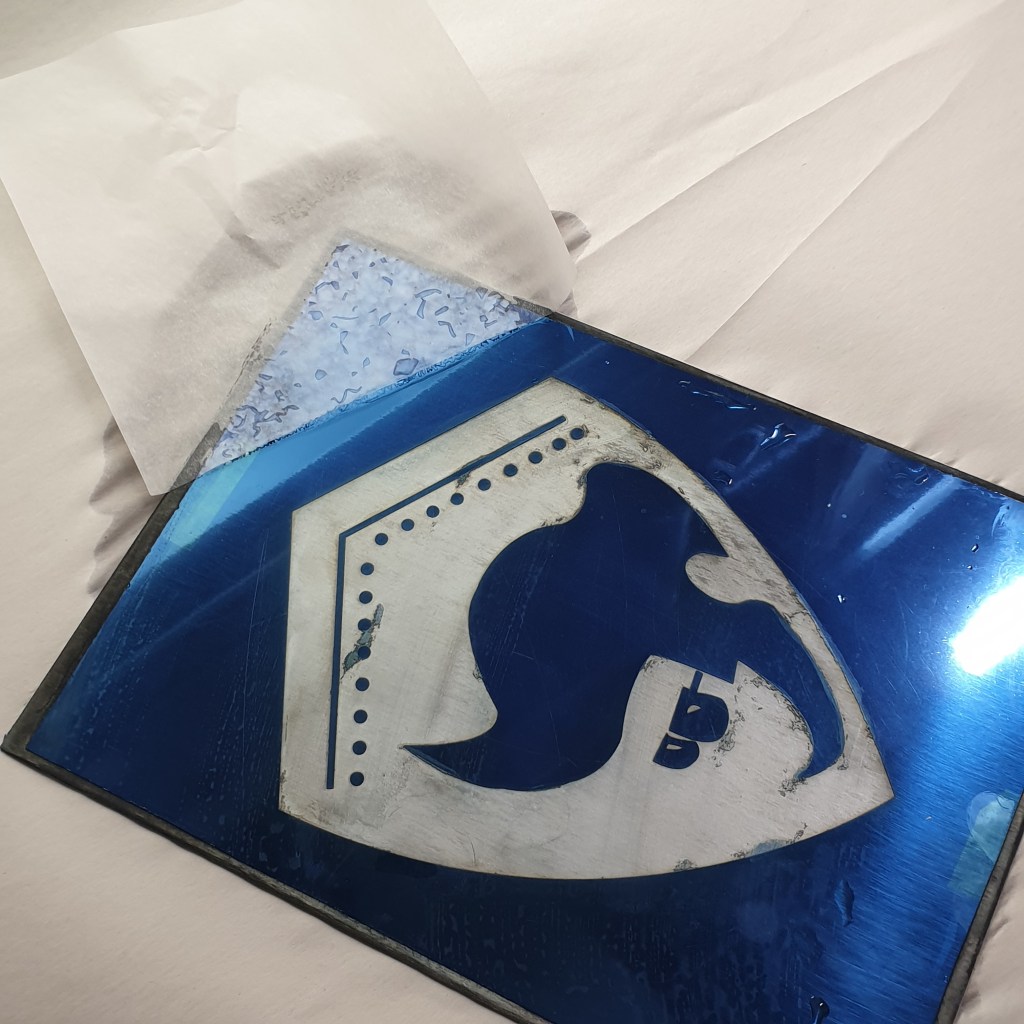

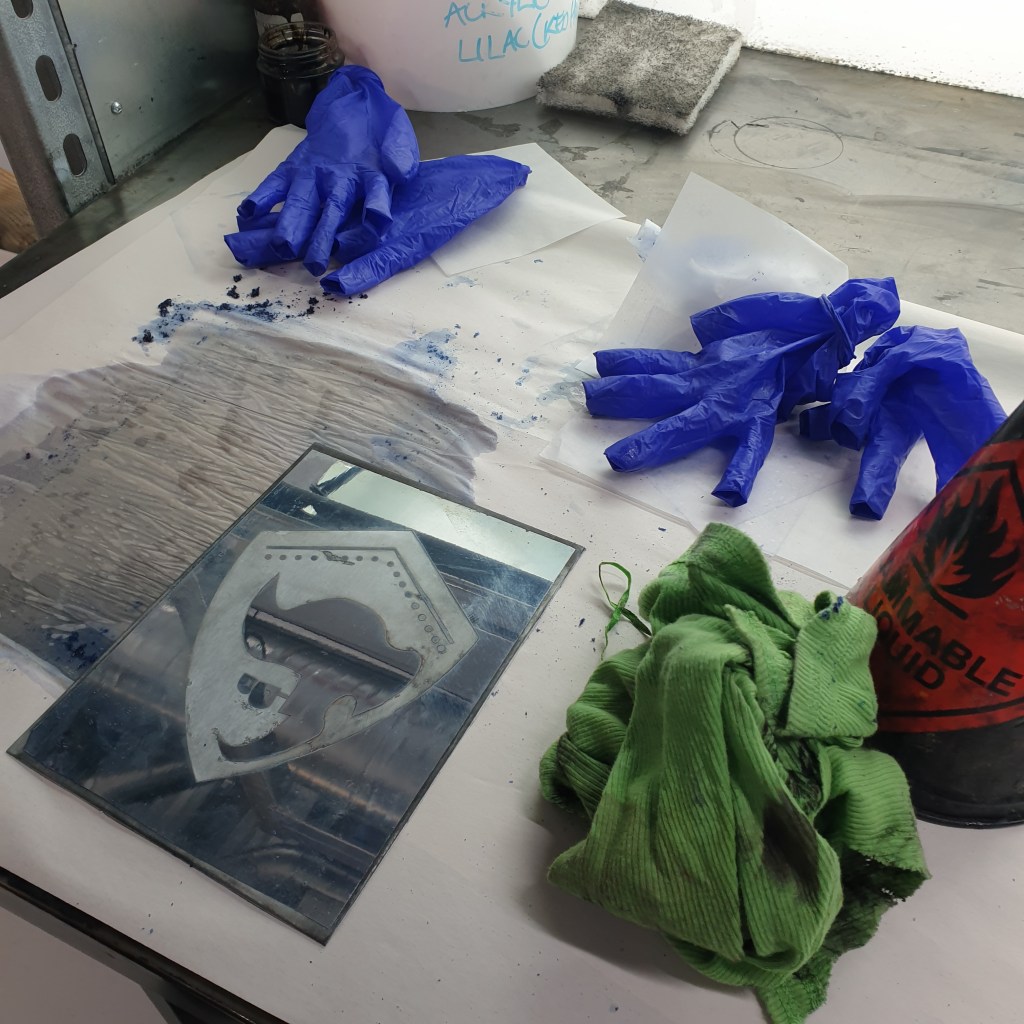

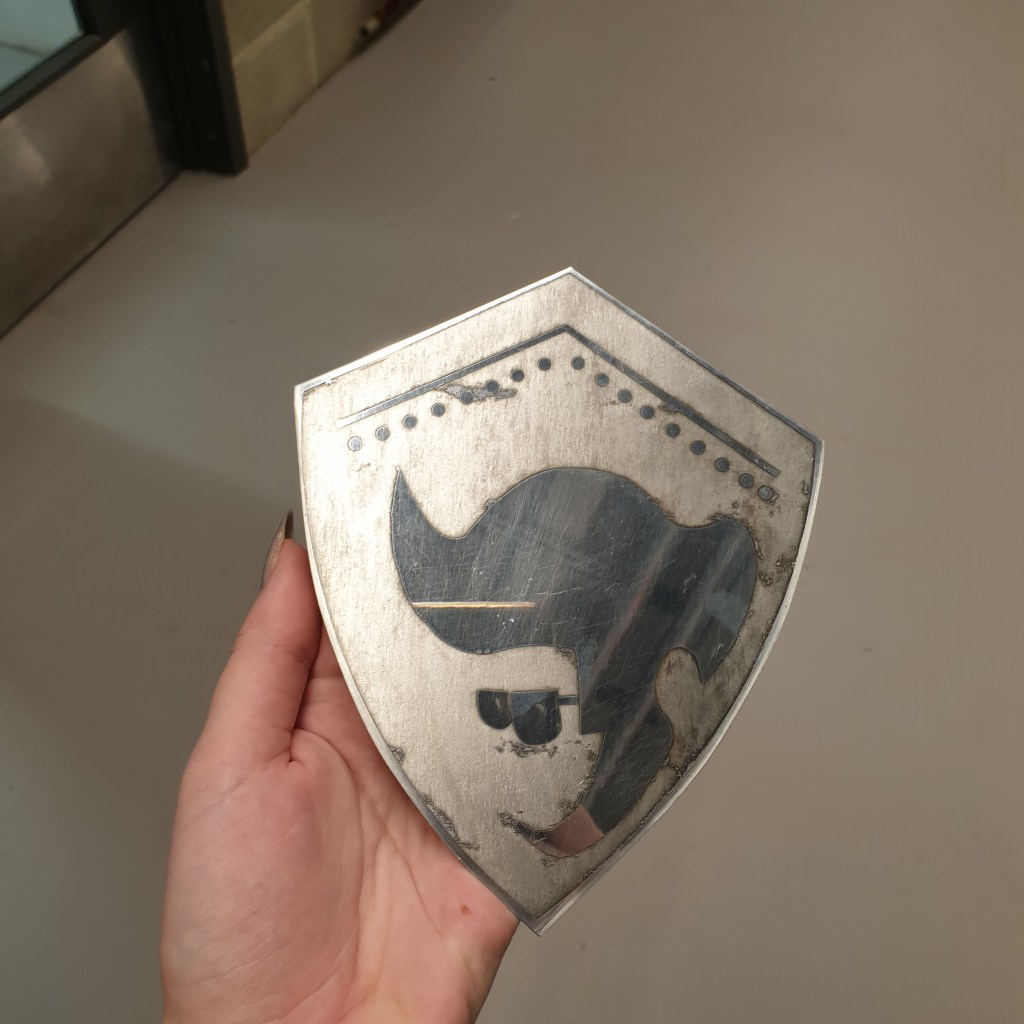
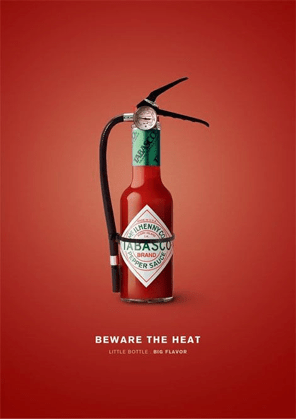
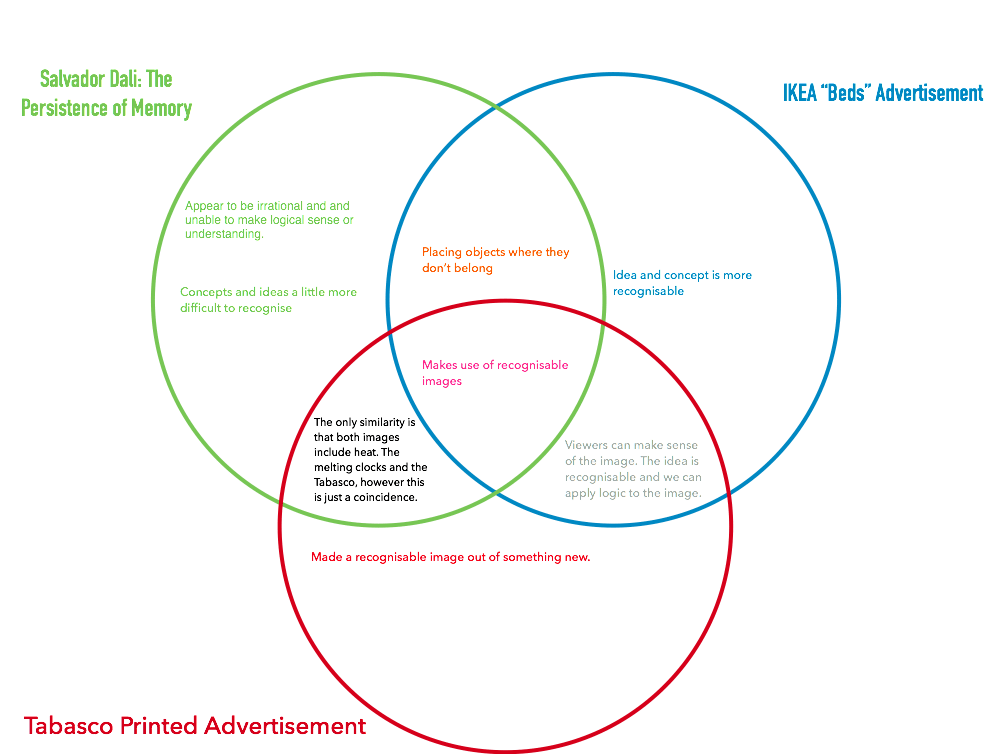




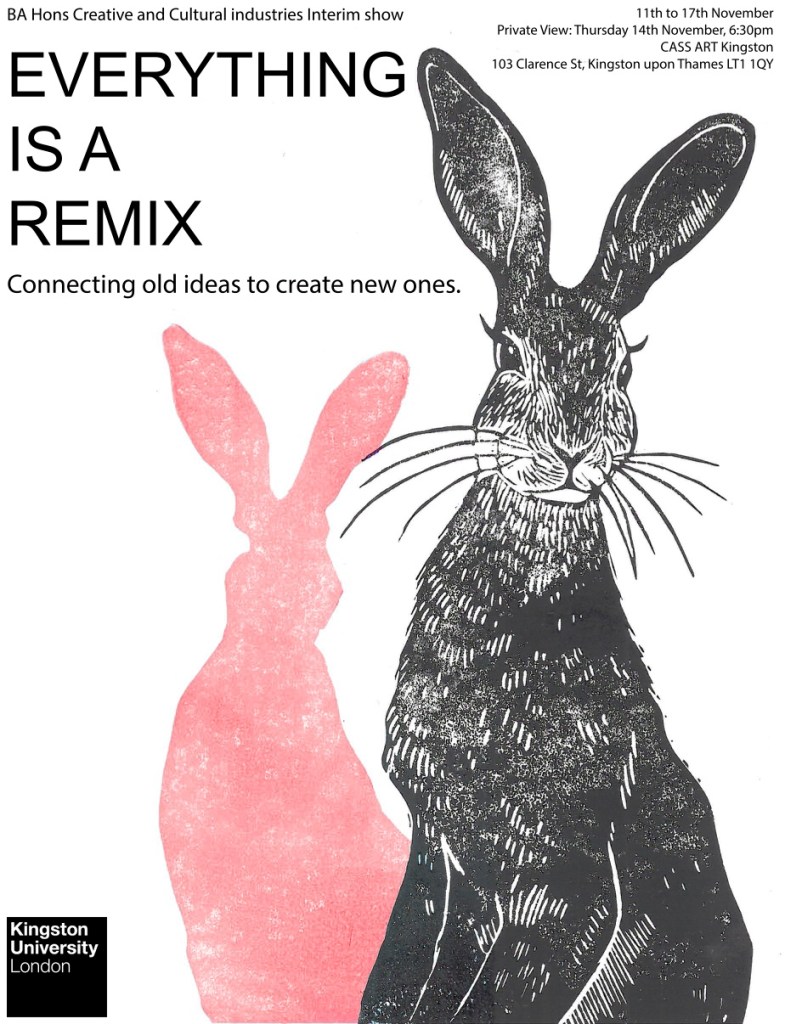
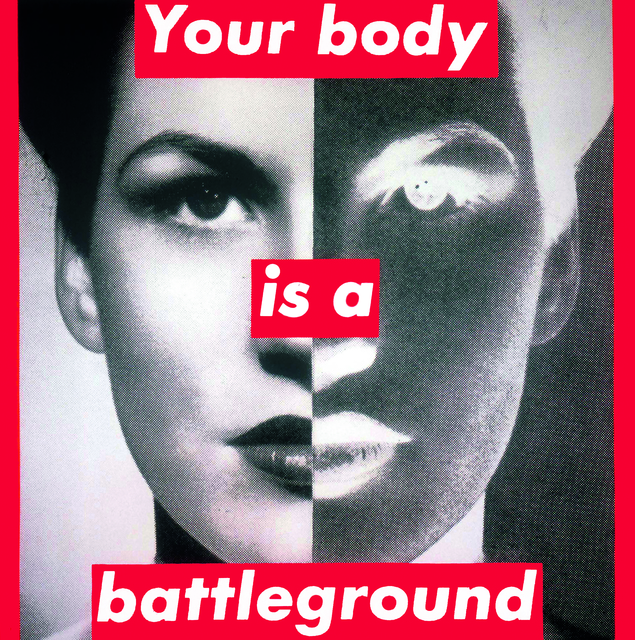


 Nadya Cheetham