Courtney, Nadya and Samuels
Brief
Leverage Bt’s role as lead sponsor of England football to make football viewing and culture more inclusive, shining a light on disability football during Euro 2020(1).
Our Response
Disability Football – The Experience
What is your disability?
Discover the world of disability football by playing against other players with immersive VR and Motion Sensor technology.
Research
The following four elements have been the back bone and main inspirations of our idea. This research gave us the idea of merging the world of football and technology together to shine a light on disability football.
Football Viewing:
Technology has given football fans multiple ways to watch live games and keep track of live scores and fixtures, as well as improved quality. With so many ways to watch football (live, catch up, Tv, Mobile, Tablet, Laptop, Internet), it has become more accessible to everyone. More platforms and technology also means more accessible coverage of lesser viewed matches, such as disability and women’s football.
Safer Football:
Flaxta are improving shinguard protection and are innovating headbands that can measure the impact of headers. Technology like this can not only improve players’ game play, but can help make football safer.
Xampion trackers monitor errors in players game play, making injury and risks more recognisable and correctable, therefore helping to prevent injuries. Coaches can use these to better analyse how players are utilising their skills and monitor players speed, passing and even what part of the boot is being used to touch the ball.
Fifa:
Fifa has become extremely popular over the years, making this a perfect example and inspiration for our idea. It has brought the world of football and gaming together. With realistic game play, countless game play features and hyper realistic graphics, Fifa has become the ultimate football video game. The FIFA series has been produced by EA SPORTS for over 20 years, and is now the largest sports video game franchise in the world. FIFA brings the world of football to life, letting you play with the biggest leagues, clubs, and players in world football, all with incredible detail and realism.
BT:
To help us learn more about disability football, we had a look at the BT Sports website. On there we found lots of information about different kinds of disability football, rule changes, how it works, and what BT has already done for disability football.
We looked at BT’s 4-3-3 Strategy is a series of projects and initiatives that combine BT’s technology and innovation. The core ambition is to support and improve the lives of football players, coaches and fans across the UK.
We also discovered an existing hashtag created by BT, #DiscoverDisabilityFootball. This hashtag only consists of 4 posts, which gave us the idea to build upon this in our campaign. We decided to use this existing hashtag and involved celebrity endorsement to bring more attention to the campaign.
Final idea
Disability Football – The Experience
A series of pop ups in each Home Nation. Discover the world of disability football by playing against other players with immersive VR and Motion Sensor technology.
The Tech:
We chose virtual reality technology as it’s something that relatively new and not many people have had the chance to experience yet. The fun and interactive approach of this technology appeals to people of all ages and genders. While we understand that we cannot perfectly simulate disability football, Motion Sensor technology allows participants to experience physical disability in a realistic and effective way. This technology will allow us to monitor the use of body parts, a feature necessary for the experience. Using VR and Motion Sensor technology means that people of all ages, genders, abilities and social, economic backgrounds can experience the world of football in a new and immersive way.
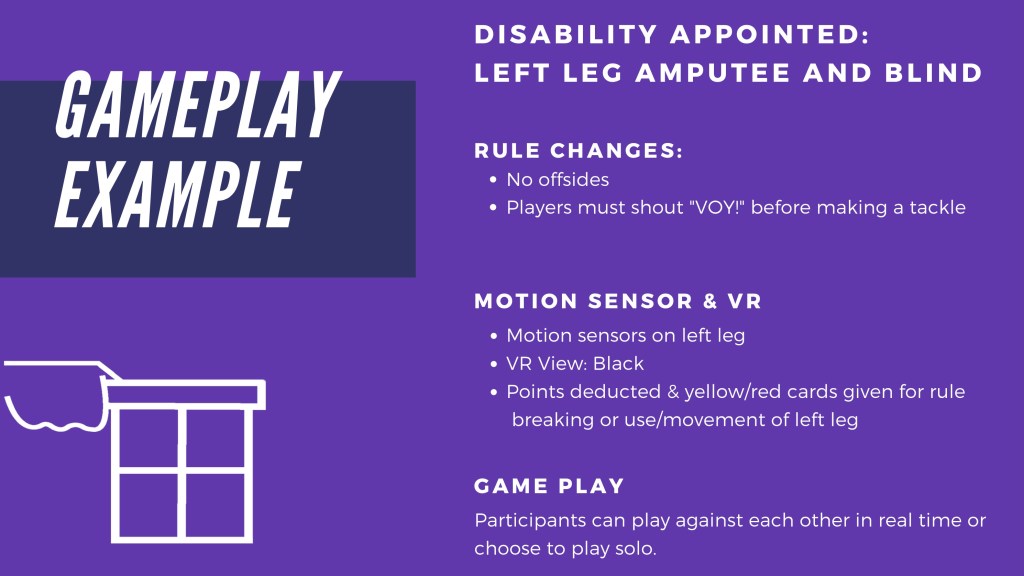
Game play example and how it works:
The VR headset will display realistic, high definition graphics to make the experience as real as possible. The motion sensors are vital to the game as they will monitor movement.
At the Beginning of the game, the player is appointed a physical disability. A list of rule changes according to the disability set will appear and motion sensors will be placed on the player to monitor the use and movement of specific body parts. Points will be deducted and yellow/red cards given for rule breaking and any use/movement of the area with the disability.
Example:
Visuals and Social Media Campaign
Moodboard:

In our mood board we looked at existing marketing and visuals of the four Home Nations, BT Sports, the Premier League and Fifa, who are all the main associations with football. From this, we created a colour pallet to follow, and came up with a few ideas.
We experimented a bit with some ideas, following the colour pallet we created, however felt that our visuals were not bold enough or help with our tone of voice. After going back and forth through ideas, we thought about creating a glitch effect, to represent technology, and the idea of loosing your usual abilities (a glitch in your left leg).
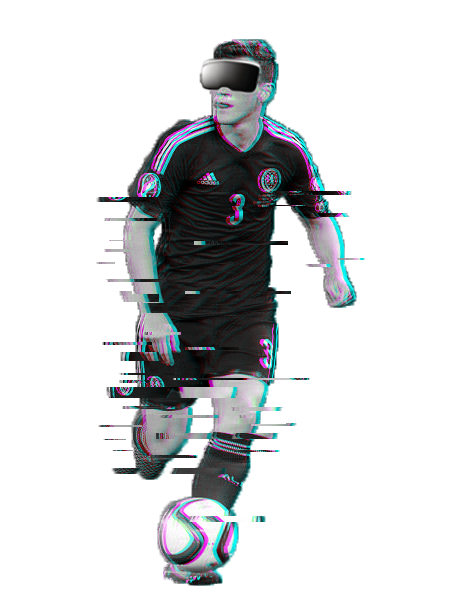
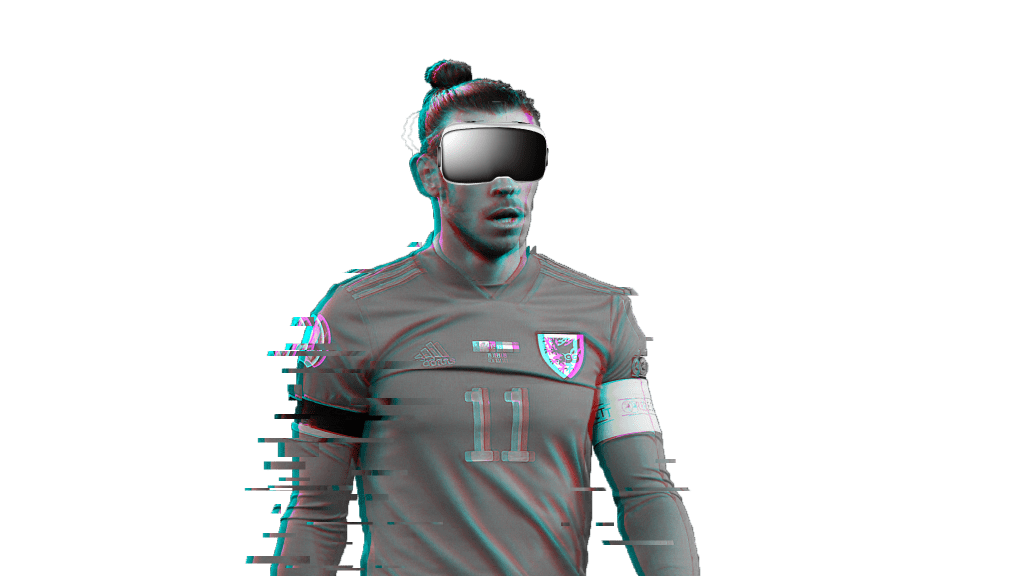
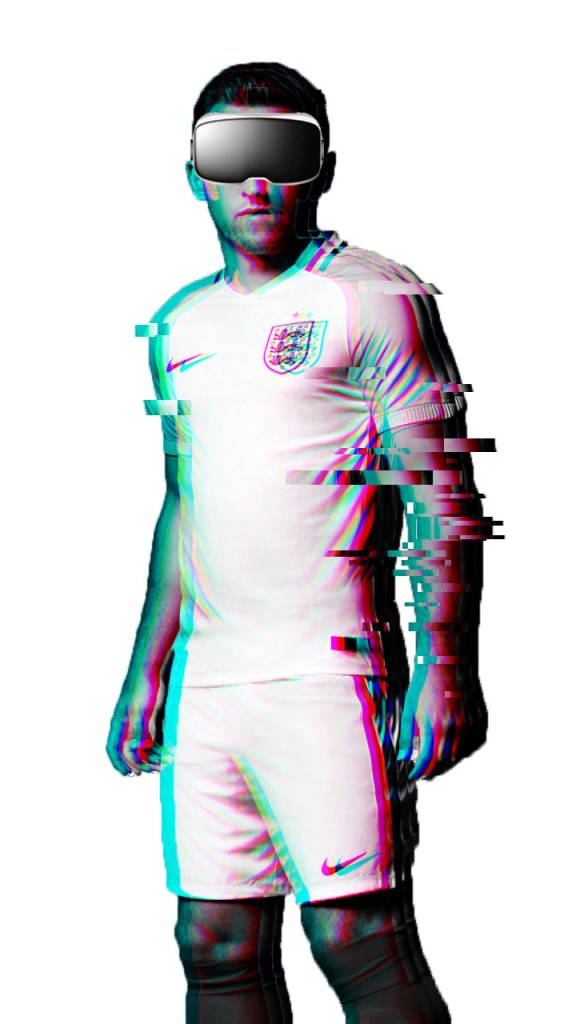
Using famous faces:
One team captain from each Home Nation team will be our celebrity endorsements. These captains are well known in the football community, and already have a large following, so why not make use of this and make them the main faces of our campaign?
Social Media:
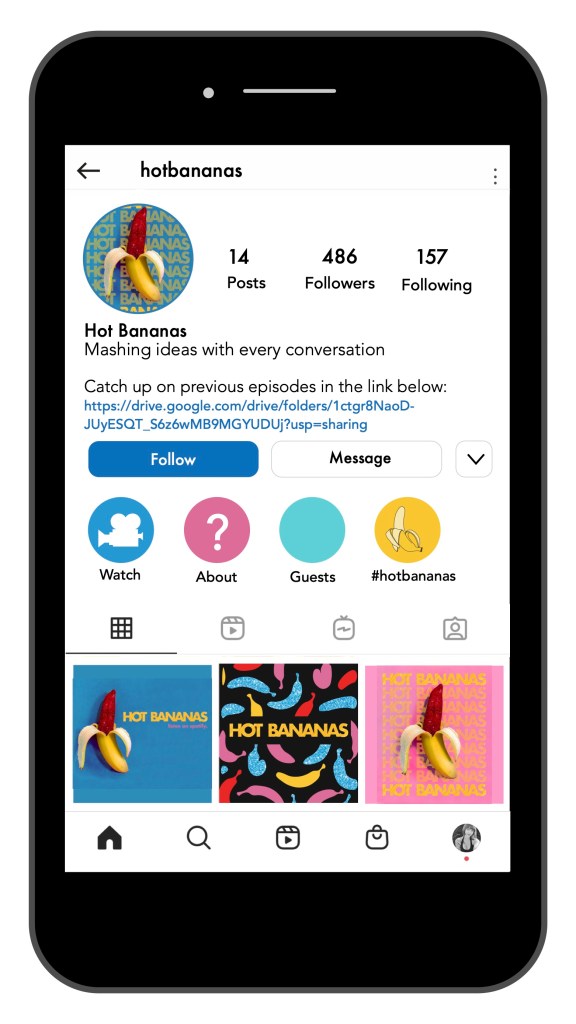
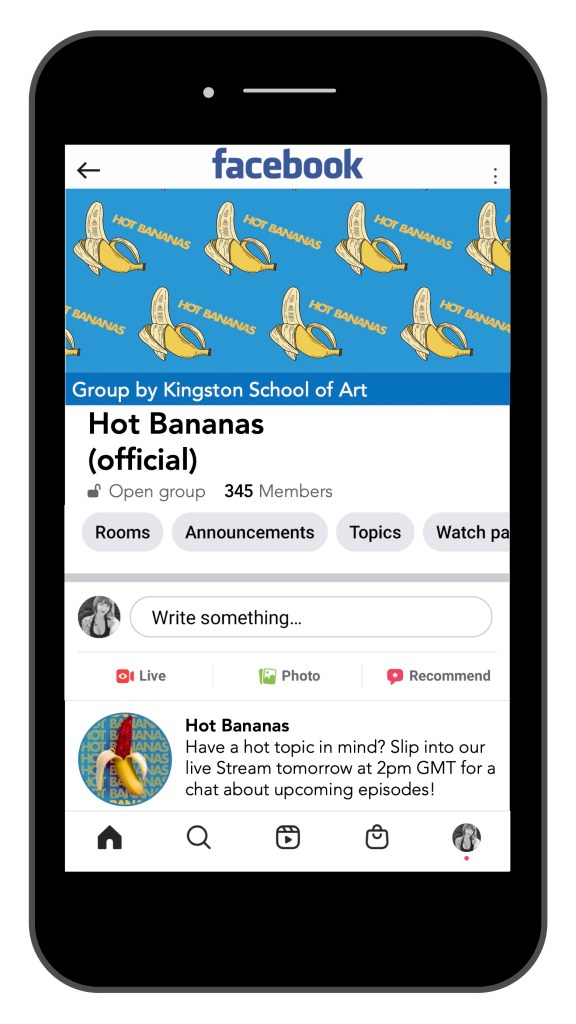
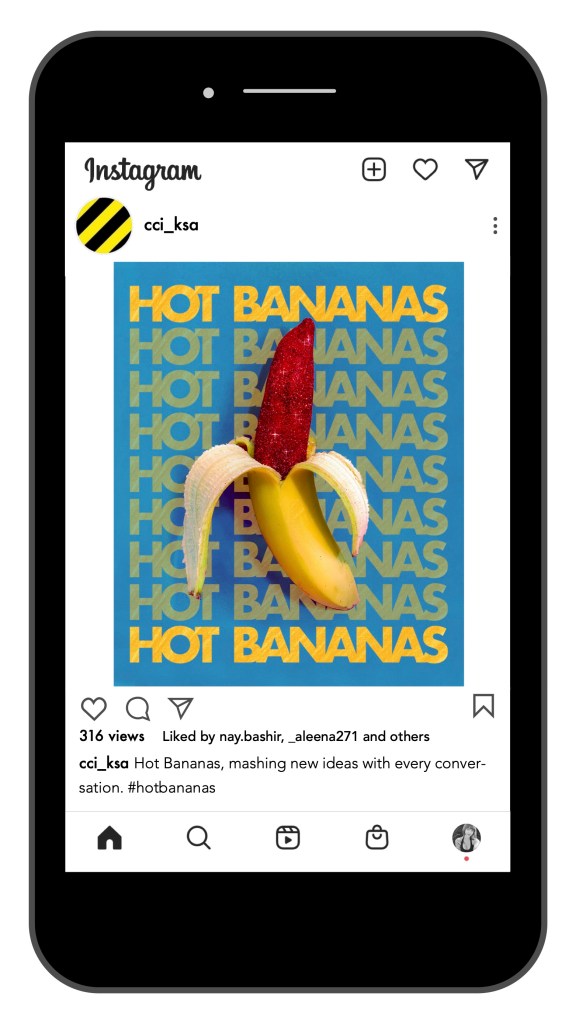
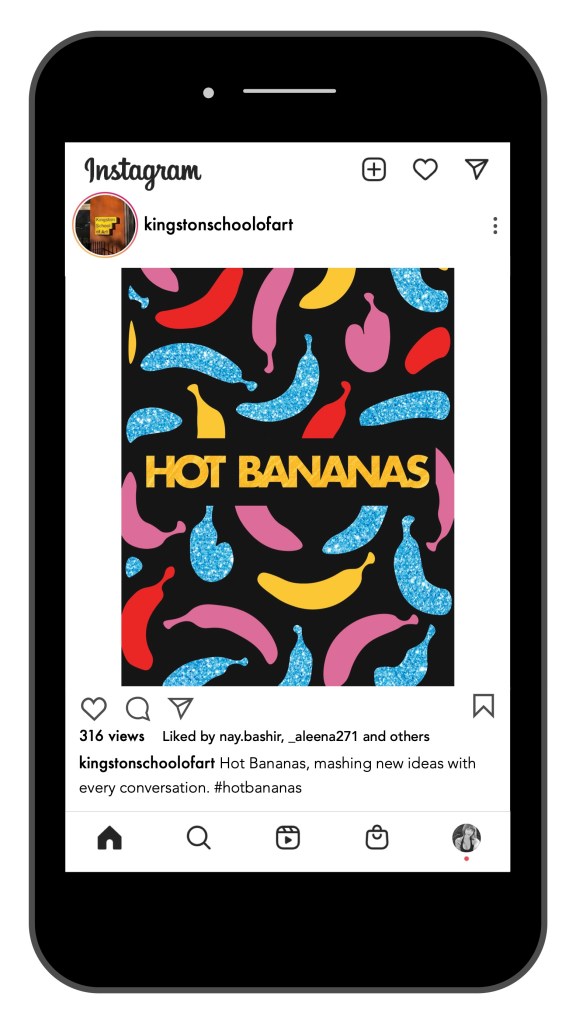
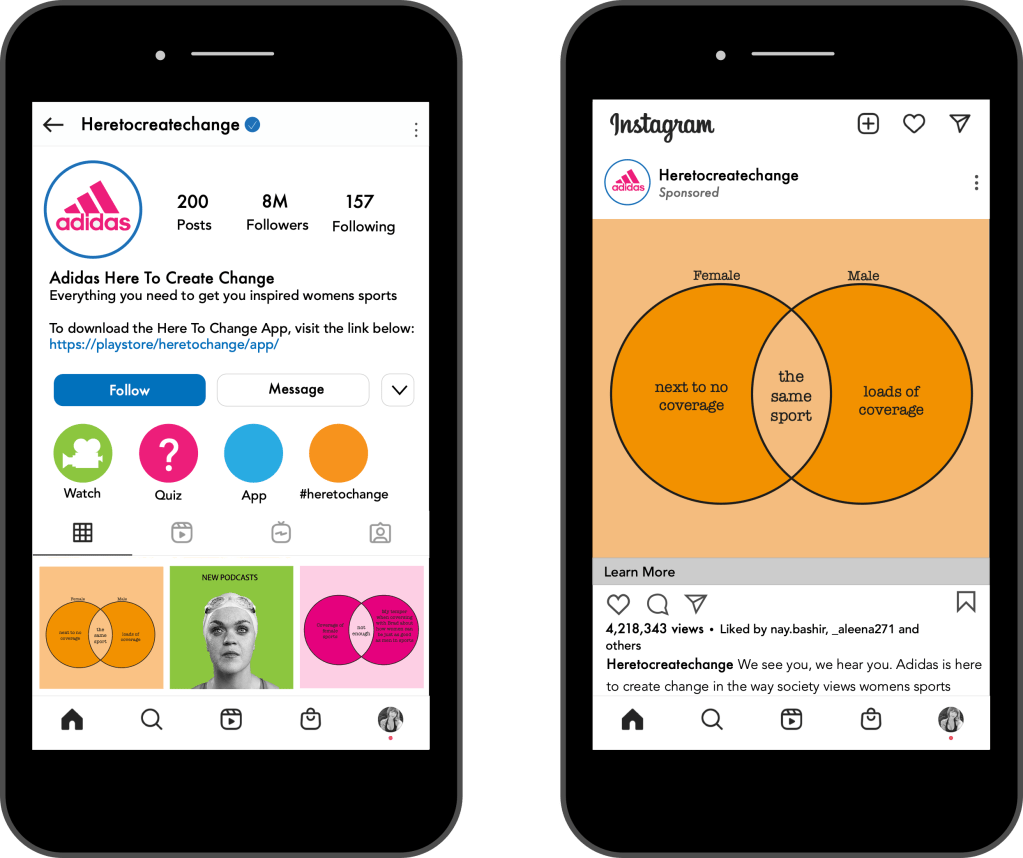
Below are examples of how we will use each captain from the Home Nations in advertisements. One professional football player from each Home Nation will post an advertisement of themselves wearing VR headsets on their owned social media accounts. These will also be posted on existing BT Sports social media accounts, as well as the @df_theexperience Instagram account.
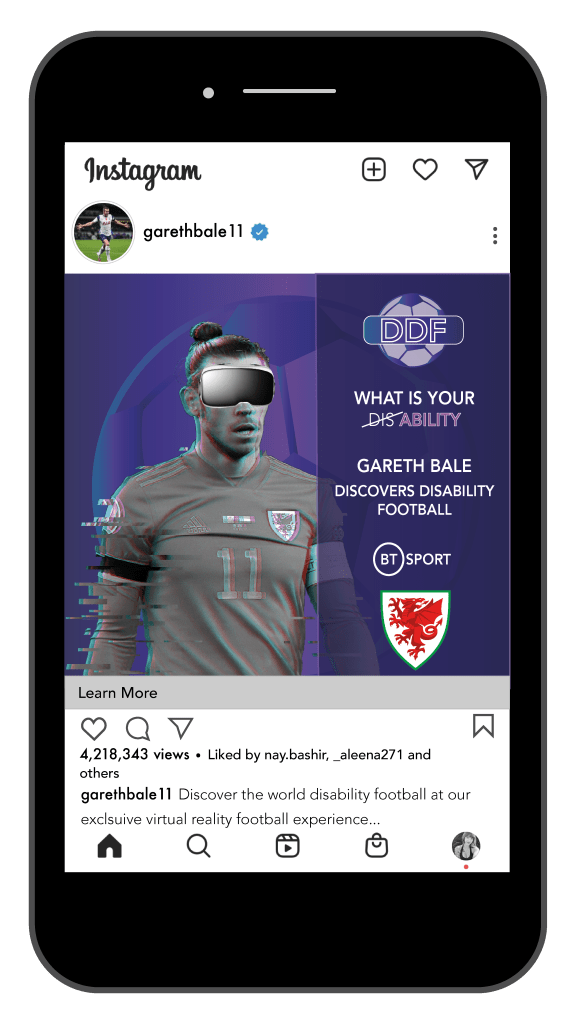
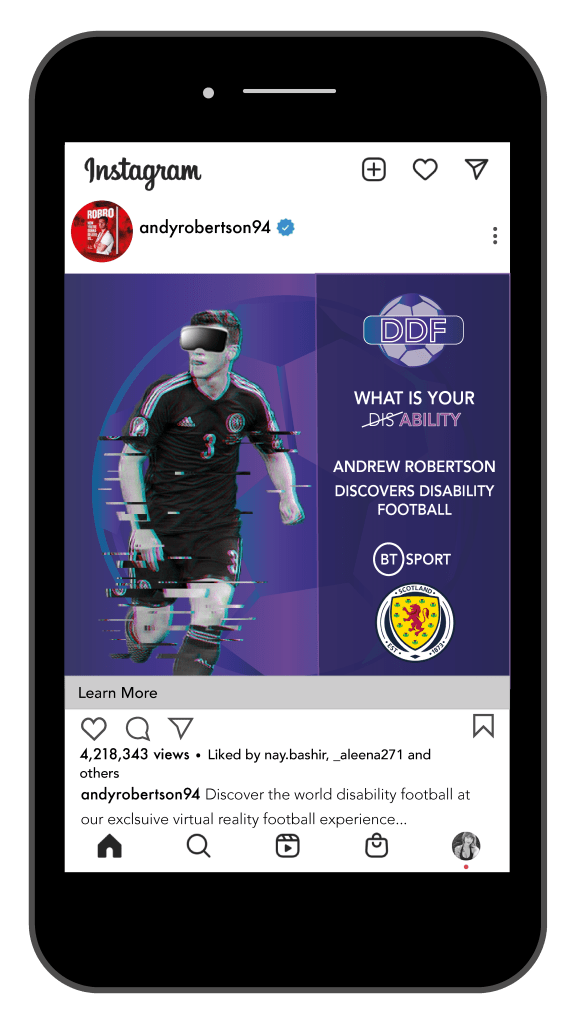
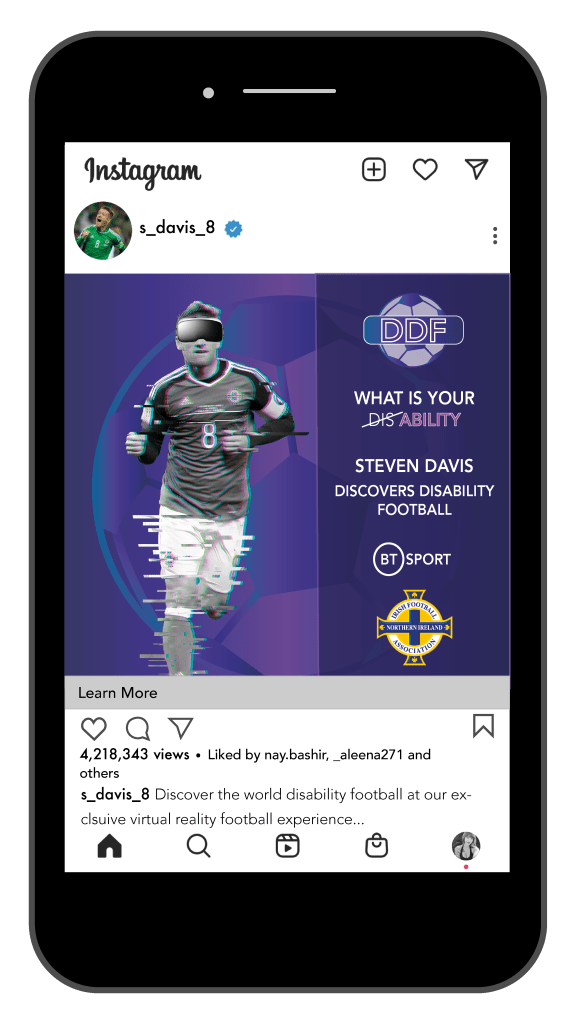
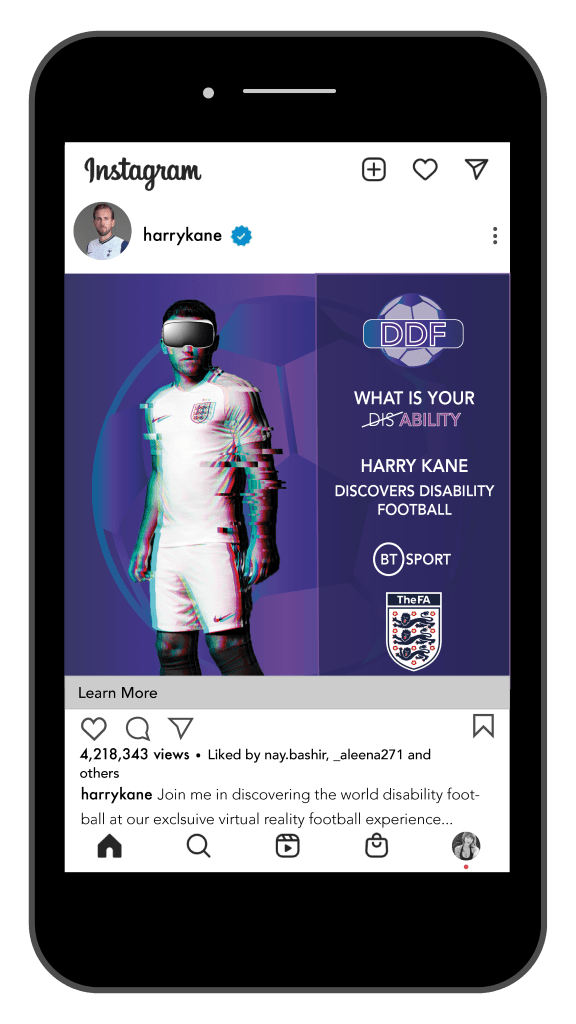
Captain’s own social media account 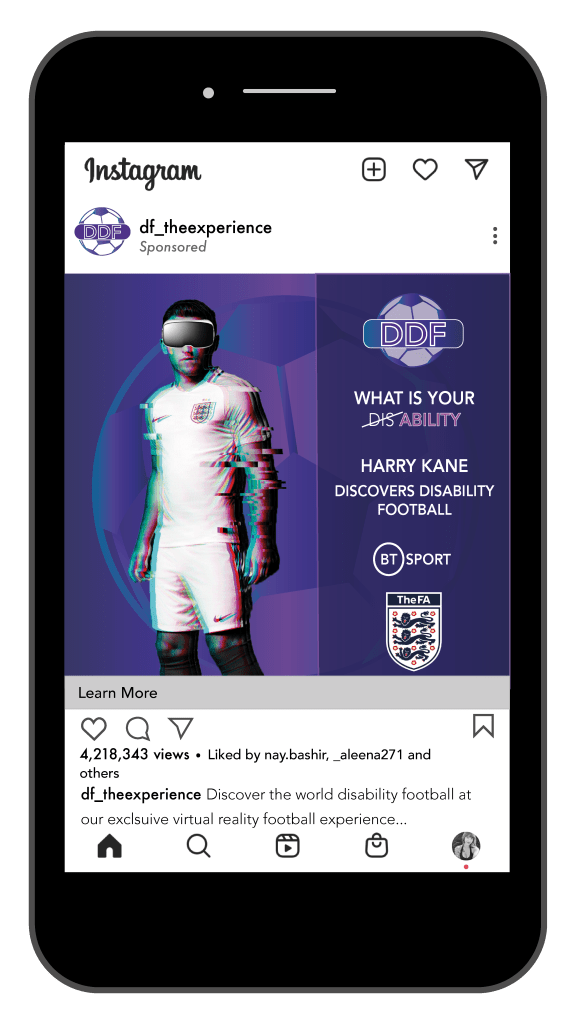
Disability Football The Experience owned media account


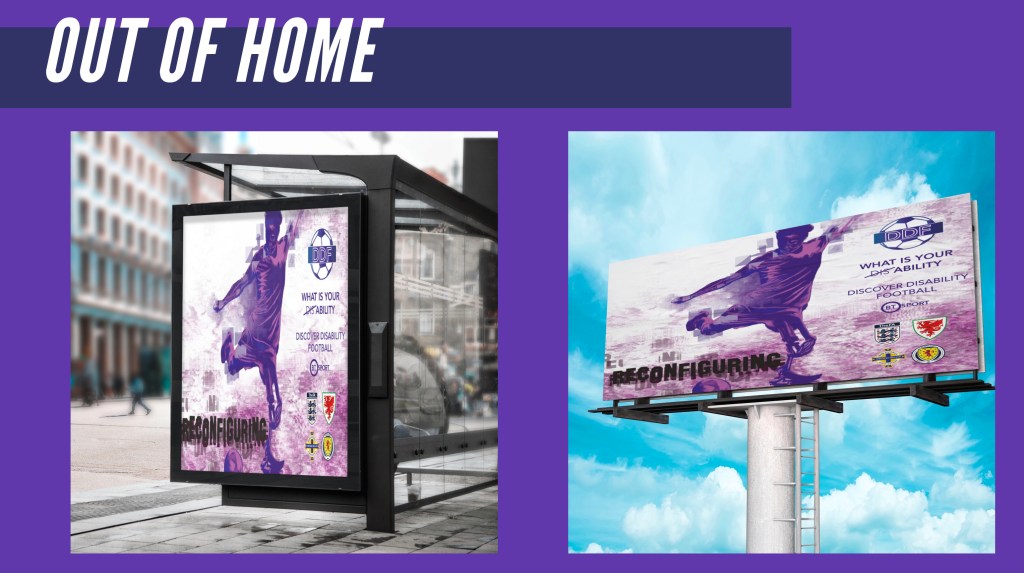
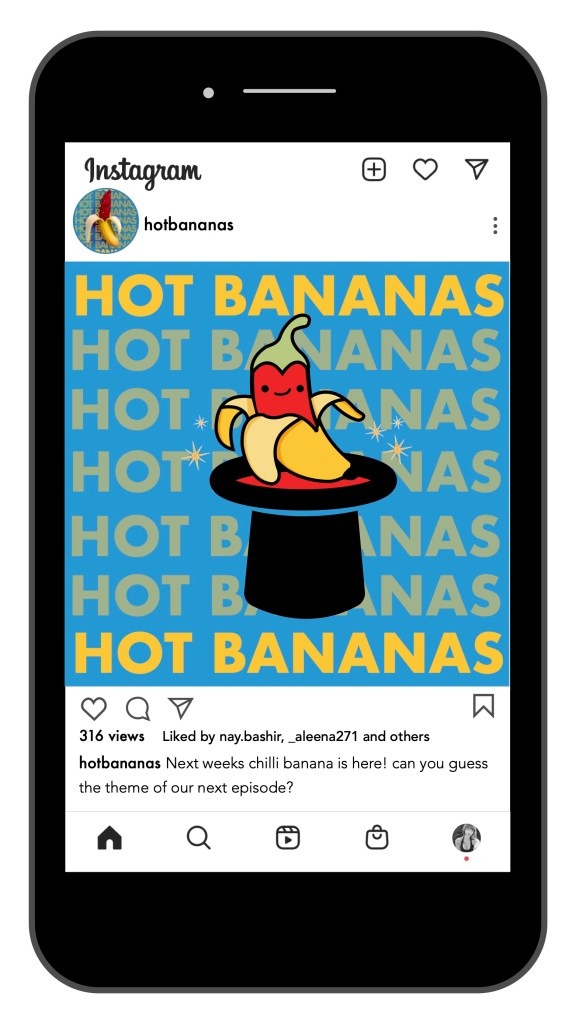
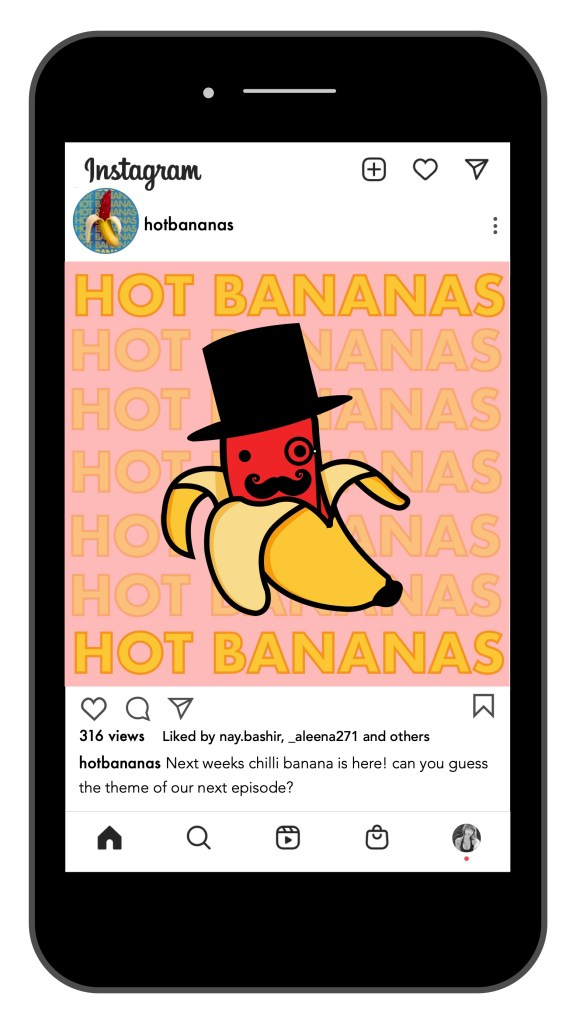
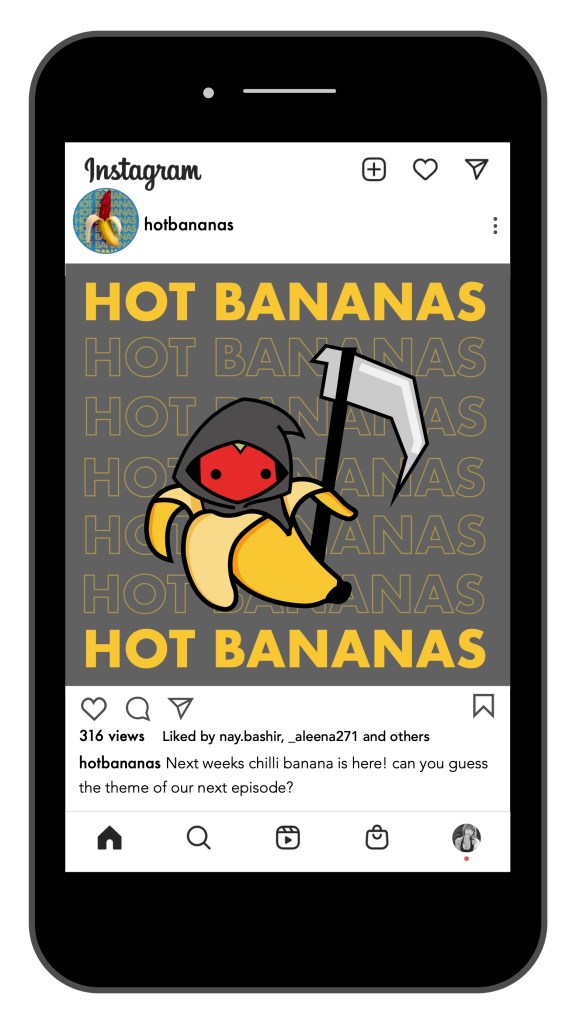
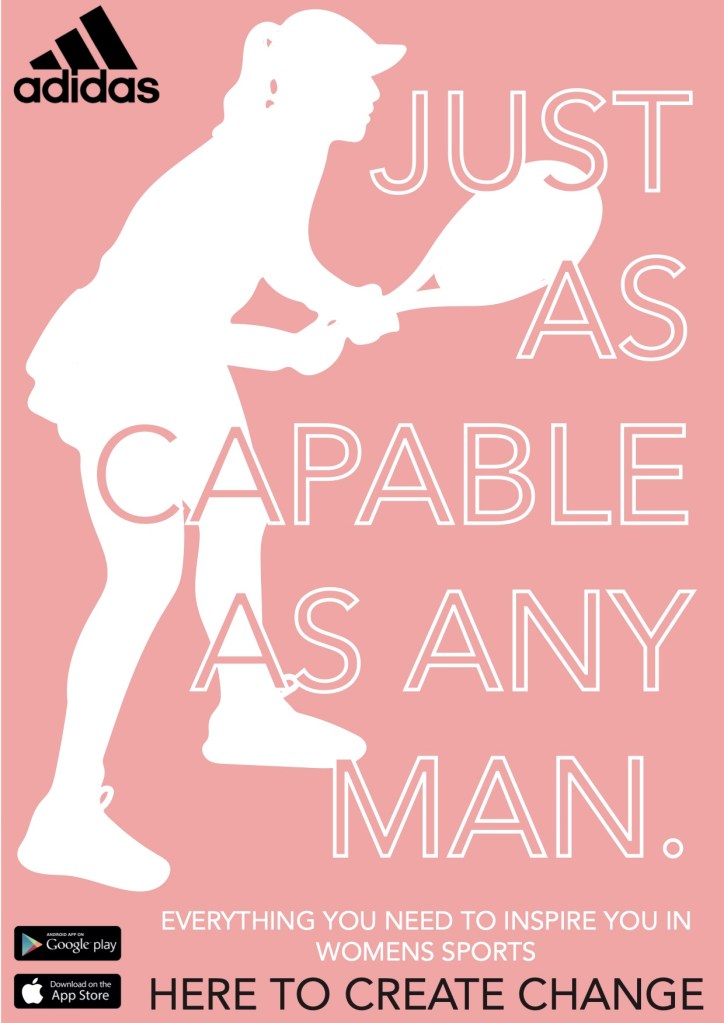
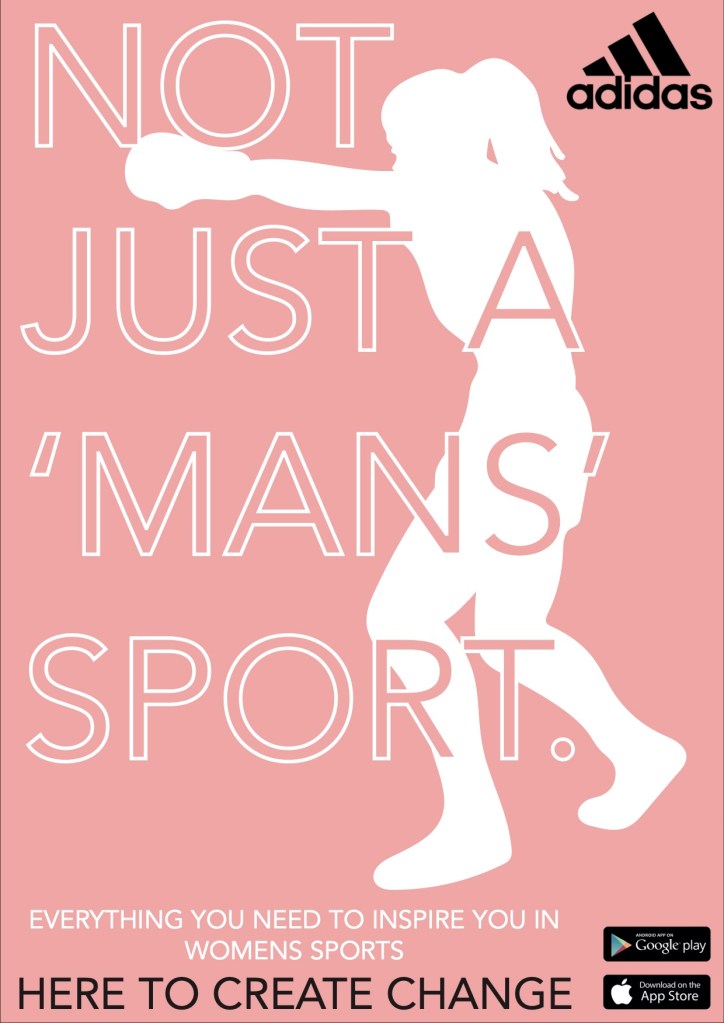
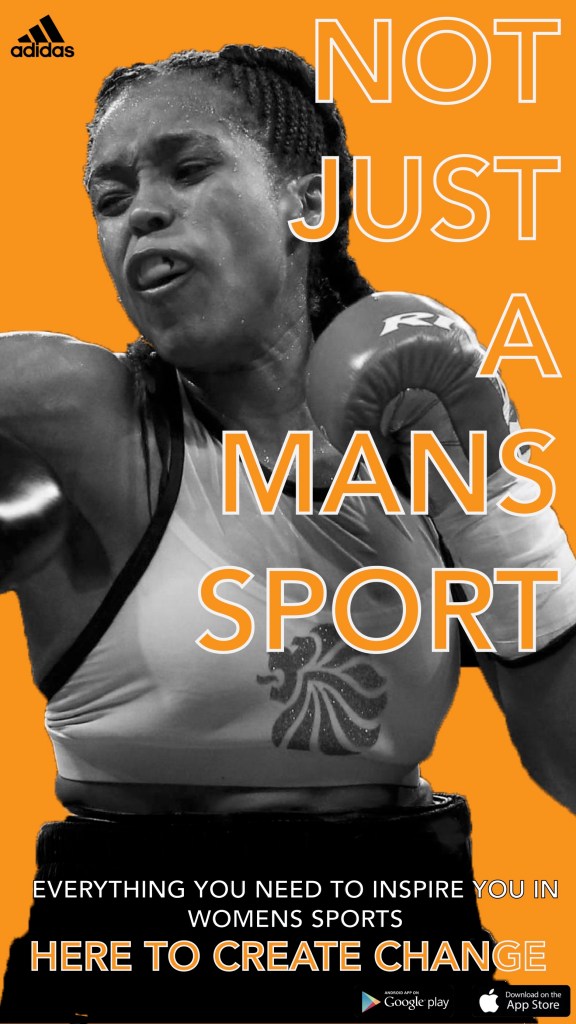
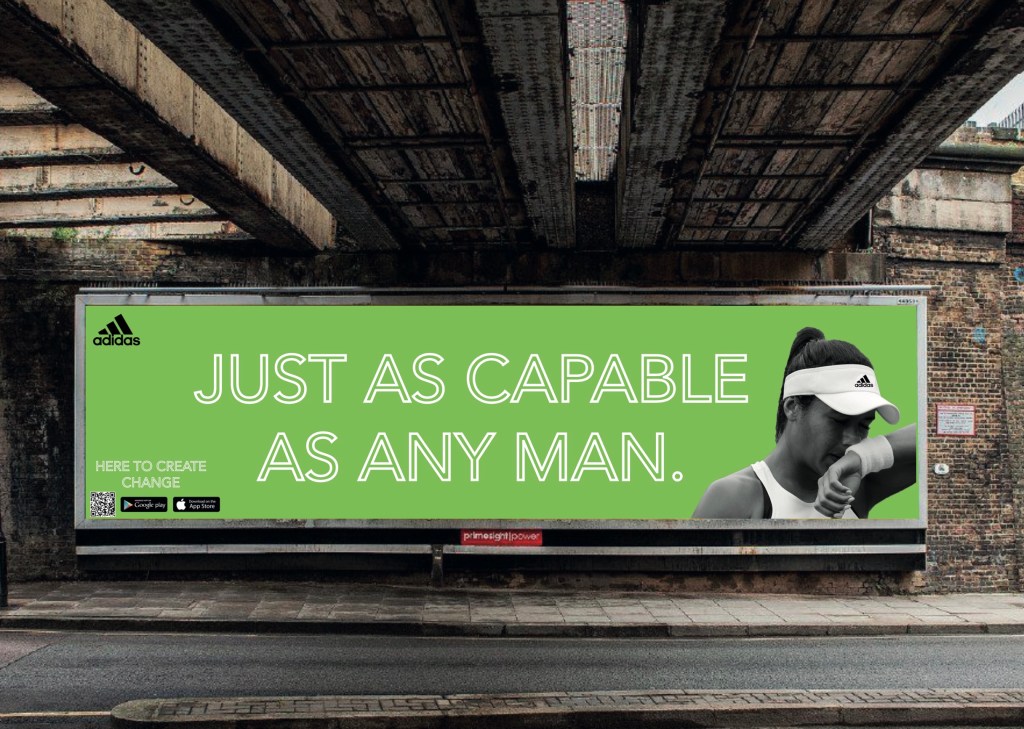
The out of home examples put together by Courtney, featuring separate visual/artwork by Samuels.
Reflection
Contributions:
Courtney: Research and Ideas/planning, Out of Home visual
Nadya: Research and ideas, Deck design and deck content, Visuals and marketing
Samuels: Out of home poster
Overall, I am happy with the final outcome of this project and enjoyed the process. Me and Courtney worked well together and communicated effectively. Samuels didn’t communicate much or involve himself in the project despite me and Courtney asking for help, ideas and suggestions. A day or two before the deadline of this brief, Samuels asked to change the direction of the project, which unfortunately we had to disagree to due to all visuals and deck being almost complete. At the start of this project, we set up a WhatsApp group chat, which all members had access to. I created a google doc for everyone to put down their own research and ideas, and the team agreed to join together to go through them all and come up with an idea together. After a few days, I noticed that Samuels had not contributed any research, ideas or planning onto the document so me and Courtney decided to go ahead with an idea. The evening before the deadline, Samuels added his own idea to the document and made his own poster. In order to include some of his work, Courtney used his artwork to create an example of out of home advertising.
Pitching
Before our pitch to the client, I sent the final deck to all team members. In the group chat, we discussed who would be reading which slides and in what order. Samuels expressed that he didn’t want to speak because he “wasn’t included in the project”, despite several updates a day from me and Courtney, and having access to Live documents and a live deck. On the morning of the pitch, he claimed to not understand the idea at all, and asked me to explain everything. I wouldn’t have minded doing this, however had he just read through the shared documents and the deck, all would have made sense.
When it was time to present, Courtney was not present, however she did console in me and explained why the night before, so this was expected. When it was Samuels turn to speak, he didn’t say anything and there was long pauses , so I stepped in as I felt it would look unprofessional to sit in silence.
I found this situation very difficult to deal with, and felt frustrated between trying to make another member feel included when they didn’t show any interest, and do the work to a good standard and on time. I tried to explain to the best of my ability to Samuels, that we liked his idea however it was too close to the submission and pitch to change things.
When faced with a similar situation in the future, I will keep reminding other members in the group chat of what needs to be done, and will encourage them more to participate. I will message them privately to see if they are okay and understand the brief.
















 Nadya Cheetham