From personal insights and extensive research, it has become apparent that mental health among male Military personnel is a pressing issue, and has been since the First World War. Although my research has shown that Royal Marines have lower rates of ill mental health than other services, I believe through personal insights that it is likely mental health among Royal Marines is either the same or higher, because less personnel are seeking help.
I feel that through advertising, we can help Royal Marines seek necessary help and eradicate the stigma of mental health in military personnel. Project Regain has clearly been a huge success with Royal Marines and I will further analyse their methods and apply them to my own forms of advertising through the means of posters and magazine.
Posters
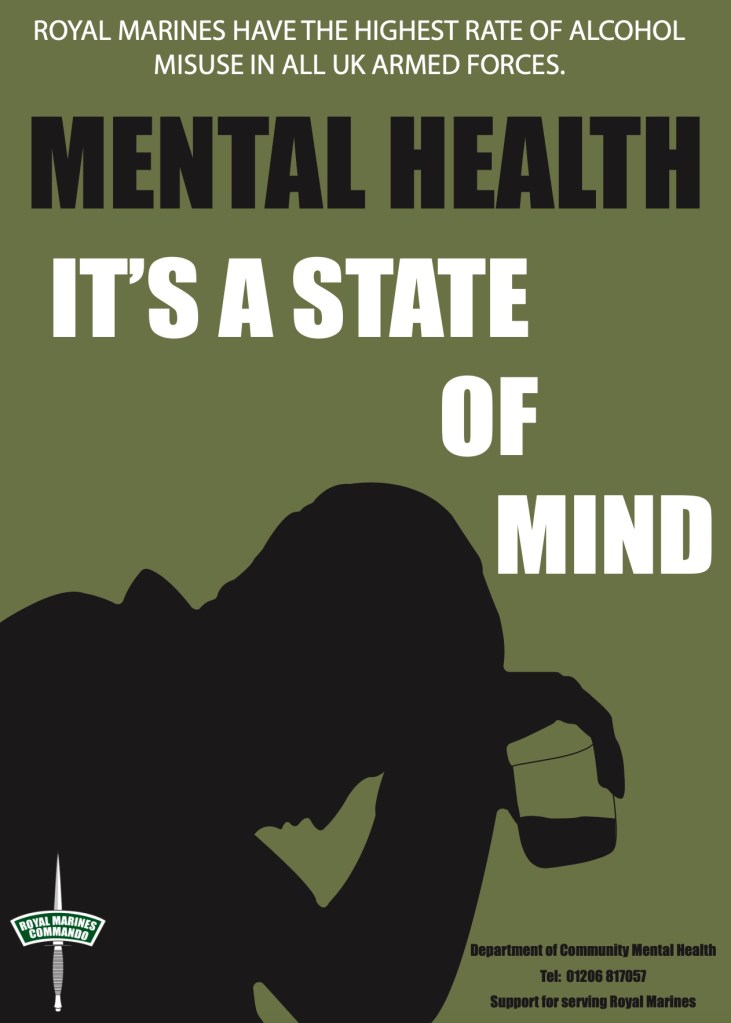
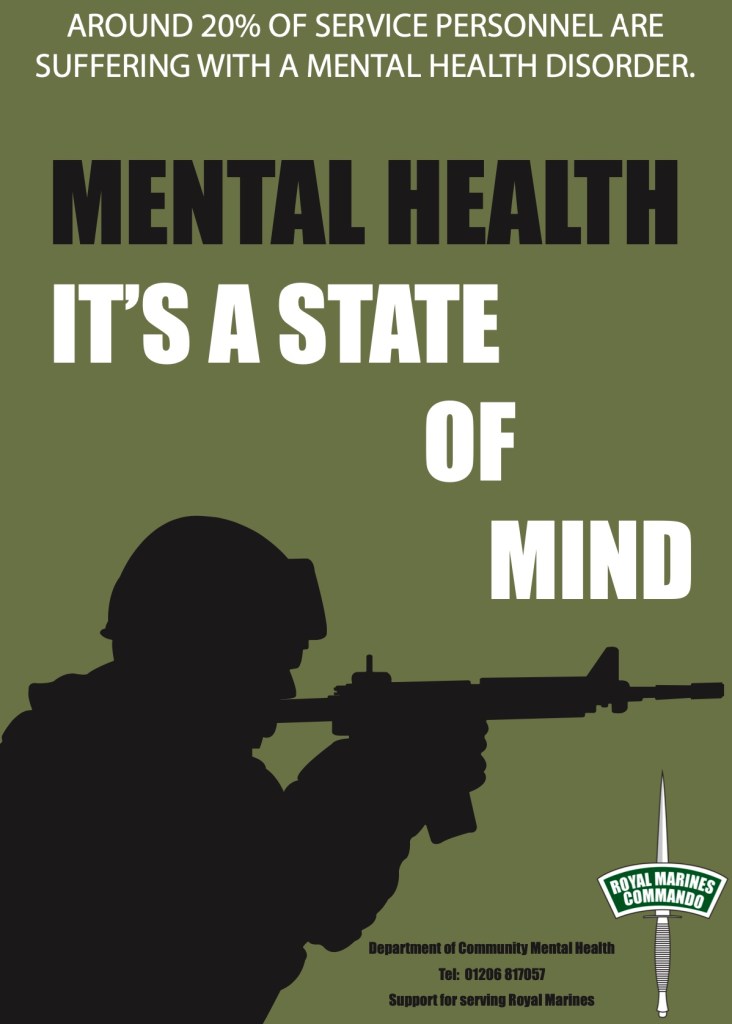
To begin with, I revisited my mood boards to refresh my mind on the general Royal Marine aesthetic. All the images featured on my mood boards consisted of a typical Military colour pallet of greens, greys, blacks and white which I have used in my poster designs. I kept the designs straight forward and bold, much like the Royal Marine lifestyle itself. I chose to add silhouettes rather than photographic imagery to enforce the idea that recruits can choose to stay anonymous when seeking help.
The statistics featured on the posters have been take from the UK Ministry of Defence statistics document and the telephone number at the bottom of each poster is the number for the Department of Community Mental Health. I have also added the Royal Marine logo to give a professional and official finish.
“It’s a state of mind” is the official slogan for the Royal Marines, and I felt that it fit well with the theme of mental health.
Magazine
Along with posters, I have designed a few pages for a possible magazine to be sold on base. The magazine includes news of deployments, new Military procedures and equipment, as well as support for personnel and general on camp news.
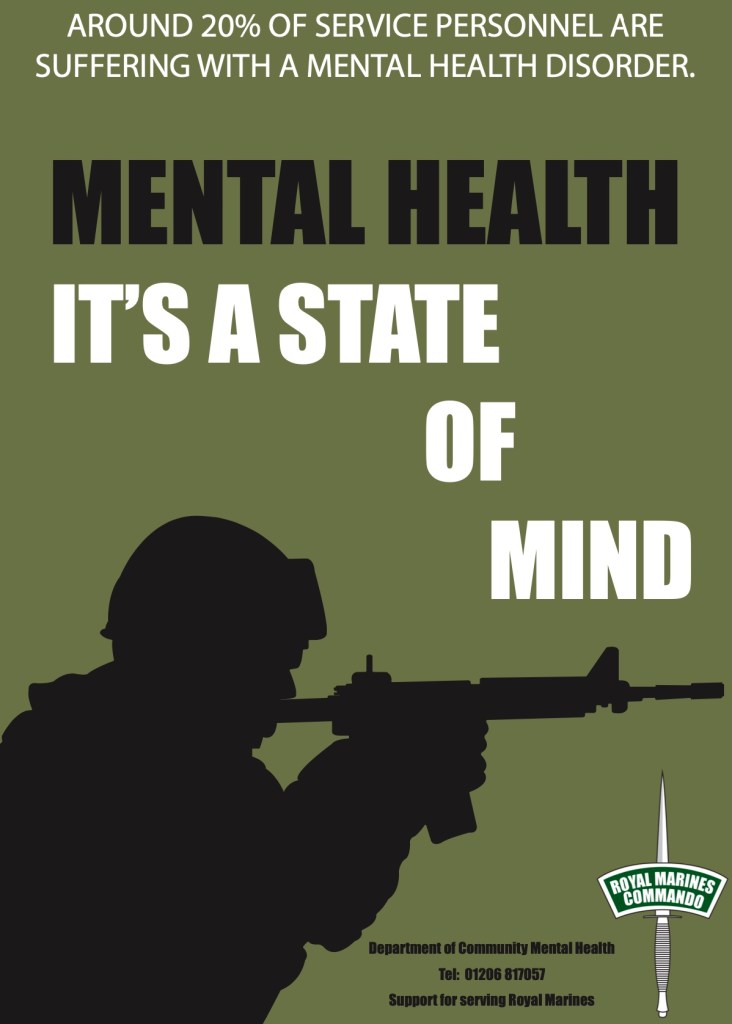
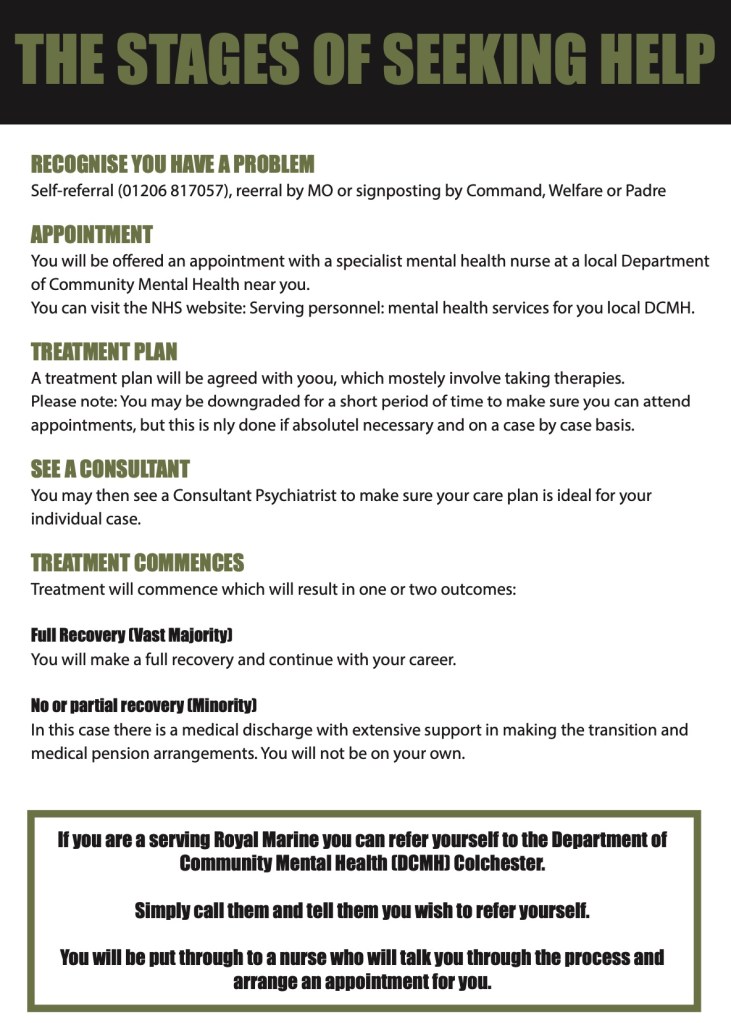
On the left hand side, I have included one of the mental health posters I have designed. As well as being displayed within the barracks, I felt that it would be effective to have mental health adds in the magazine itself. On the next page (right hand side) I have taken the stages of seeking help from the Project Regain page on the Royal Navy website.
I feel that this would be an effective way to get Royal Marines to seek help as they can read the magazine in their barracks and keep note of the steps to get necessary help without anyone else knowing. I have included these pages into the magazine as although the posters I have created will raise awareness of mental health on camp, I feel that recruits will not take note of the telephone number given in-front of their troop mates and other recruits. The magazine will be made available in the on-camp shop where recruits and other personnel can buy general cleaning products, Military accessories and food. This way the magazine will be easy to buy and personnel can get help anonymously and secretly.
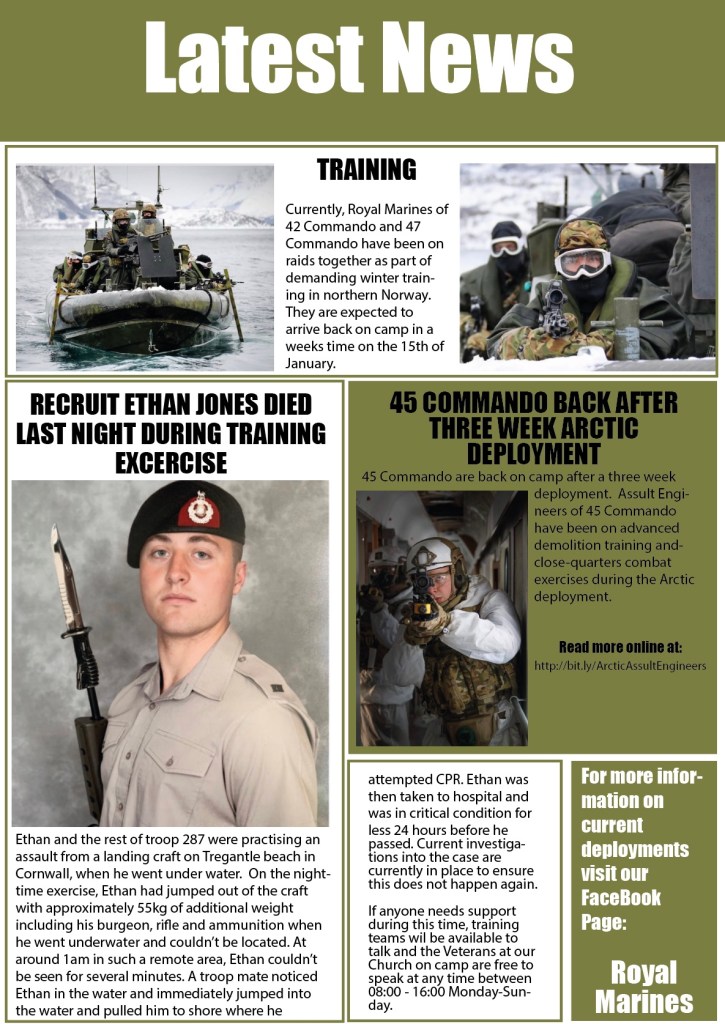
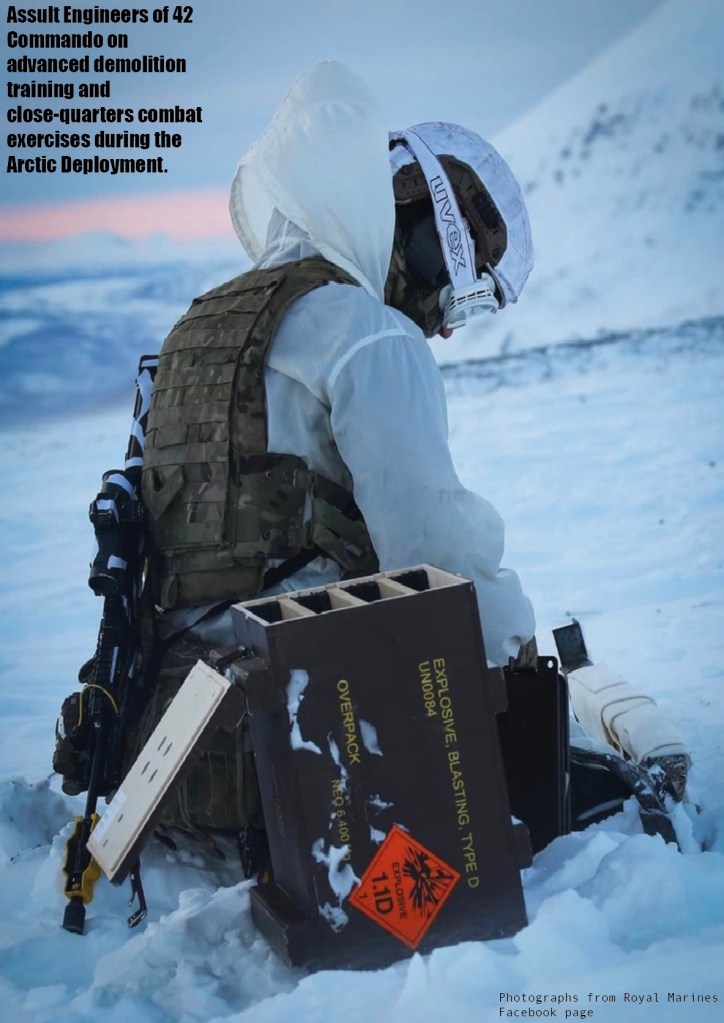
These next two pages include what has been going on in the last few weeks both on an off camp. Information includes news on current deployments and training exercises as well as what is new on camp. On the left hand side I have included a short article about Ethan as an example of an important event which has affected recruits on camp. Using the Royal Marines Facebook page, I have gotten some images and information on pervious deployment exercises which other recruits may like to read about.
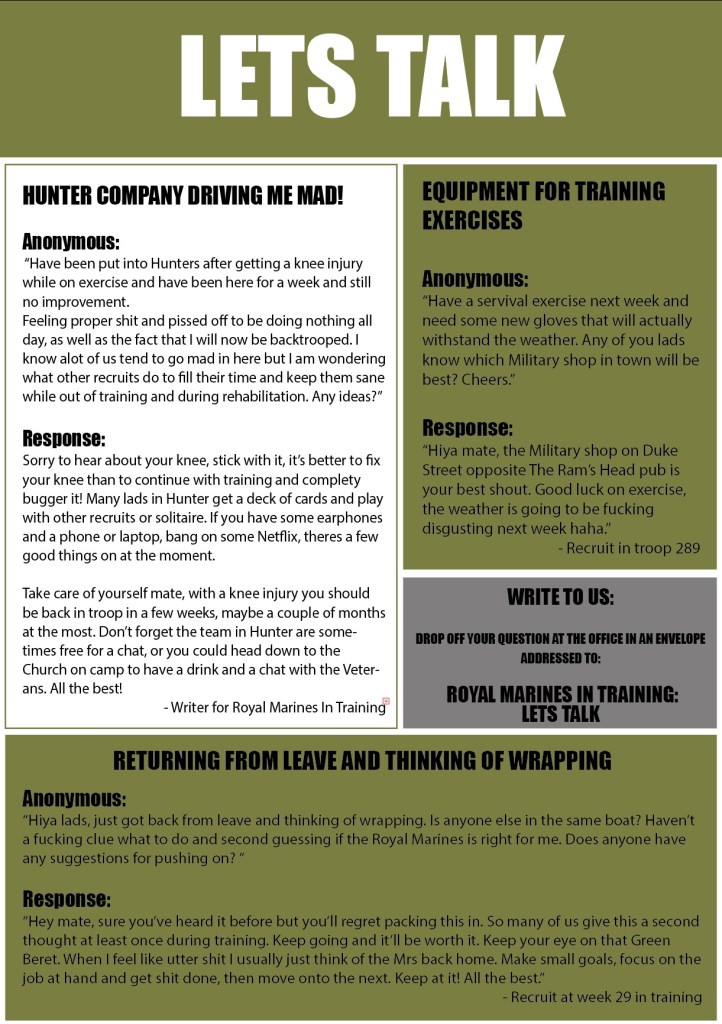
On the left, I have designed a “Let’s talk” page, inspired my advise columns found in many woman’s magazines such as Cosmopolitan. I have used the basic idea of a question answer page but have tailored it to Royal Marines in training. Recruits can write to the magazine and other recruits can write a response. The idea is to urge RMC’s to talk and ask questions openly and, if preferred, anonymously. Explicit language and Royal Marine lingo is permitted to bring comfort and informality to the magazine. I have chosen this approach to urge recruits to talk and write in to the magazine.
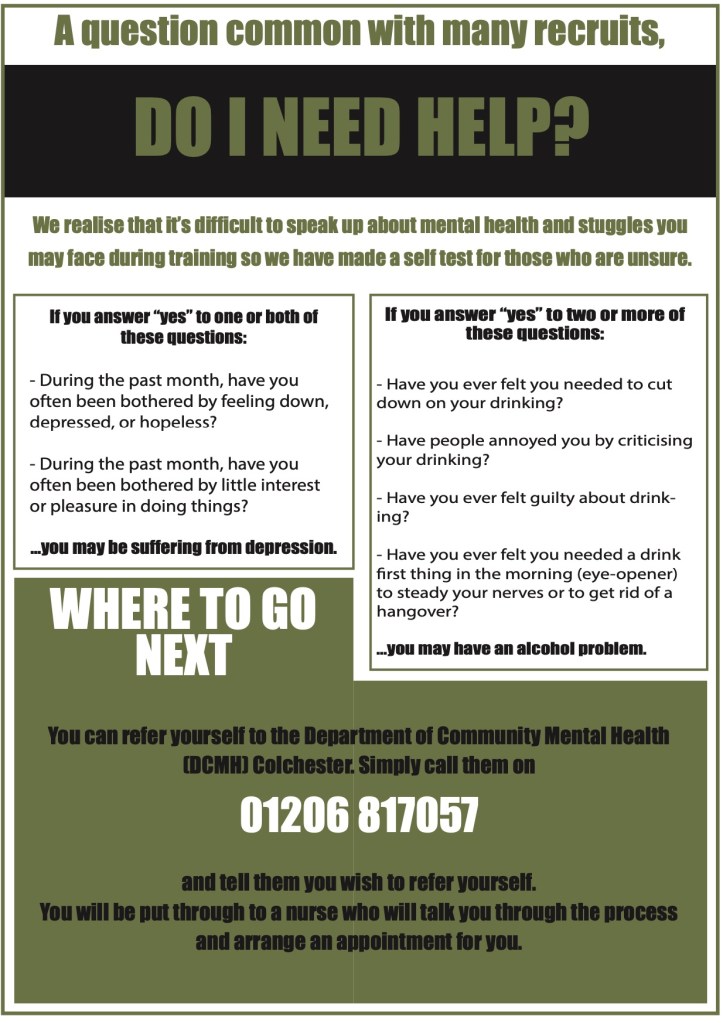
On the right hand side, I have created a page inspired by Project Regain’s self tests which can be found on their website. The page consists of quick self tests recruits can look at if they they are in need of support but unsure of what the problem is. Perhaps even through just reading, recruits who feel they are in a good psychological state may take the tests and realise they may need to seek help or support.
The Overall Idea
The overall idea of the posters and magazine was to keep it simple. Recruits like to be told exactly what they need to do and do it. By using a simplistic approach, I believe it would prompt Royal Marine recruits to speak more freely about mental health without feeling ashamed or embarrassed. I strongly feel that the magazine would do well if it was to be sold on camp, and bring a better understanding and acceptance of mens mental health in the Military.
Video: The process of creating my manifesto
 Nadya Cheetham